



Introduction
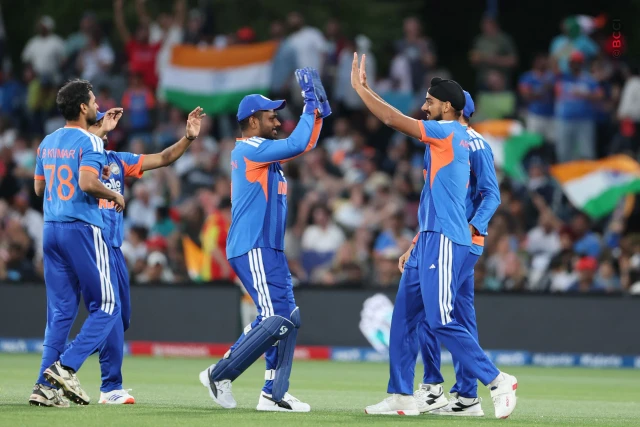
India and New Zealand have developed an exciting rivalry in international cricket, particularly in the shortest format of the game. Both teams are known for their competitive approach, talented players and ability to perform under pressure. Their T20 encounters often produce entertaining batting performances, important bowling spells and thrilling finishes that keep cricket fans interested until the final delivery. The current India tour of New Zealand in October 2026 has added another interesting chapter to this rivalry, with India producing an impressive performance in the opening three matches.
The ongoing five-match series has attracted considerable attention because of India’s aggressive batting approach and New Zealand’s determination to compete against a strong visiting side. India have demonstrated their ability to chase challenging totals, recover from difficult situations and dominate opposition bowling attacks. New Zealand, meanwhile, have shown that their batting lineup can produce competitive scores, although converting those performances into victories has remained a challenge during the opening matches.
The latest developments make this contest particularly interesting for cricket followers who want to understand match results, player contributions, team combinations and historical records. Looking at the performances from the first three matches provides a clearer picture of the teams’ current strengths and the areas that could influence the remaining fixtures.
Latest India vs New Zealand T20 Series Overview
The five-match T20I series between India and New Zealand began on October 22, 2026, at Hagley Oval in Christchurch. India entered the tour with confidence following their recent international performances, while New Zealand looked to use home conditions to challenge the visitors. The opening encounter immediately delivered an exciting contest, with both teams crossing the 200-run mark.
New Zealand scored 225 runs for four wickets in their 20 overs. Their batting lineup managed to build a strong total, putting pressure on the Indian bowling attack. However, India responded with an outstanding batting performance and successfully chased the target, reaching 230 for six in 19.4 overs. Sanju Samson played an important role with 67 runs from just 33 deliveries, while Naman Dhir provided an excellent finishing contribution with an unbeaten 42 from 15 balls. India won by four wickets and took an early lead in the series.
The second match, played on October 24 in Christchurch, also ended in India’s favour. New Zealand scored 180 for five, setting a competitive target for the visitors. India reached 181 for six, winning by four wickets after another close contest. Tilak Varma and Nitish Kumar Reddy handled the pressure during the final stages and helped their team secure the victory.
The third match took place on October 27 in Wellington. New Zealand scored 198 for three, with Daryl Mitchell contributing an unbeaten 89 from 52 deliveries. India produced an extraordinary response, chasing the target in only 13.2 overs and reaching 199 for four. Abhishek Sharma scored a remarkable 113 from 38 balls, while young Vaibhav Sooryavanshi added 45 from 19 deliveries. India won by six wickets and secured an unassailable 3-0 advantage in the five-match series.
India vs New Zealand T20 Match Results in 2026
The opening three matches demonstrate how effectively India have handled different match situations. The first game required a successful chase of a massive total, while the second demanded patience and composure during the final overs. The third encounter highlighted India’s exceptional attacking ability, with the opening partnership putting the opposition under enormous pressure.
The following table provides an overview of the first three matches and their results.
| Match details | New Zealand | India | Result |
|---|---|---|---|
| 1st T20I, October 22 | 225/4 | 230/6 | India won by 4 wickets |
| 2nd T20I, October 24 | 180/5 | 181/6 | India won by 4 wickets |
| 3rd T20I, October 27 | 198/3 | 199/4 | India won by 6 wickets |
These results highlight India’s consistency across different playing conditions. The team has demonstrated that it can chase high totals without losing its attacking mindset. New Zealand have also produced competitive batting performances, but their bowling unit has struggled to prevent India from reaching the required targets.
Outstanding Batting Performances from India
One of the biggest reasons behind India’s success has been the contribution of its batting lineup. Rather than depending on one individual in every match, the team has received valuable performances from different players. This depth gives India greater flexibility and allows the middle order to play according to the situation.
Sanju Samson’s performance in the opening match demonstrated his ability to control an innings while maintaining an impressive scoring rate. His 67-run contribution provided a strong foundation during a challenging chase. Naman Dhir then took responsibility in the final overs, showing confidence against New Zealand’s bowling attack.
However, Abhishek Sharma’s performance in the third T20I became one of the most memorable moments of the series. His 113-run innings came from only 38 deliveries and included 13 sixes. His aggressive approach changed the direction of the match almost immediately. Vaibhav Sooryavanshi also supported him with an exciting innings, helping India record 118 runs during the six-over powerplay.
These performances demonstrate why India’s batting lineup has become particularly dangerous in T20 cricket. The players are capable of attacking from the beginning while maintaining enough depth to recover if early wickets fall.
New Zealand’s Batting Strength and Challenges
Despite losing the first three matches, New Zealand have not been completely unsuccessful with the bat. Their top and middle-order players have shown the ability to score quickly and build competitive totals. Tim Seifert, Finn Allen, Daryl Mitchell and other members of the lineup provide different batting options that can be useful against various bowling strategies.
Daryl Mitchell’s unbeaten 89 in the third match was an excellent example of his batting quality. He handled the innings responsibly, found scoring opportunities and maintained pressure on the Indian bowlers. Finn Allen also contributed 40 runs from 25 deliveries, helping New Zealand establish a strong platform.
The major concern for New Zealand has been their inability to defend totals against India’s powerful batting lineup. Even when their batters have produced scores close to 200, Indian players have managed to chase them with considerable confidence. The bowling unit needs to improve its execution, especially during the powerplay and middle overs.
New Zealand also need to create more opportunities through early wickets. Removing India’s aggressive openers quickly could make a significant difference because the visitors have demonstrated that they can dominate when their top order gets established.
Key Players to Watch in the Series
Individual performances can influence the outcome of T20 matches, particularly when both teams have experienced international players. The current series has already produced several standout performances, and the remaining fixtures provide opportunities for more players to make an impact.
Abhishek Sharma
Abhishek Sharma has been one of India’s most influential batters during the series. His aggressive style, ability to find boundaries and confidence against fast bowlers make him an important part of the batting lineup. His century in Wellington showed how quickly he can change the momentum of a match.
Sanju Samson
Sanju Samson has demonstrated his ability to contribute valuable runs at the top of the order. His experience and attacking approach make him an important player, particularly when India need to chase a challenging target. His wicketkeeping responsibilities also provide additional value to the team.
Vaibhav Sooryavanshi
The young batter has attracted attention through his fearless approach and impressive scoring ability. His partnership with Abhishek Sharma in the third match was particularly memorable. His ability to perform against international bowlers makes him an exciting player to follow.
Daryl Mitchell
Daryl Mitchell remains one of New Zealand’s most dependable batting options. His unbeaten 89 in the third match demonstrated his ability to build an innings while maintaining a strong scoring rate. New Zealand will need more contributions from experienced players like him.
Mitchell Santner
Mitchell Santner’s experience as an all-rounder and captain makes him an important figure for New Zealand. His bowling variations, understanding of match situations and ability to contribute with the bat can help his team compete more effectively.
Head-to-Head Record Between India and New Zealand
The historical rivalry between these teams has produced several memorable encounters. New Zealand initially enjoyed success against India in T20 internationals, but India’s performances improved significantly over the years. The Indian team has developed a strong record through its aggressive batting, improved bowling resources and greater adaptability in different conditions.
According to the updated international match statistics available during the October 2026 series, India have won 22 T20 internationals against New Zealand, while New Zealand have recorded 11 victories. Three matches have ended in ties. These figures demonstrate India’s advantage in the overall rivalry, although New Zealand have continued to produce competitive performances.
The historical record also highlights the importance of individual match situations. Some encounters have been decided by powerful batting performances, while others have depended on disciplined bowling and successful run chases. The rivalry remains interesting because both teams possess players capable of changing a match within a few overs.
What Makes This T20 Rivalry Interesting?
The India-New Zealand rivalry is interesting because the teams generally approach the shortest format with different strengths. India often rely on their batting depth, attacking opening combinations and variety in the bowling department. New Zealand traditionally focus on teamwork, disciplined execution and adapting their strategies according to the opposition.
Another important factor is the difference between Indian and New Zealand playing conditions. Matches in India can offer different challenges involving slower surfaces, spin bowling and hot weather. New Zealand grounds often provide conditions that can assist fast bowlers, particularly when there is movement available with the new ball.
The current series has also shown how modern T20 cricket is changing. Batters are increasingly willing to attack from the beginning, while teams are focusing on scoring opportunities throughout the innings. India’s performances have demonstrated the value of this approach, especially when players can maintain their attacking intent without losing control of the match situation.
Remaining Matches and Expectations
With India having established a 3-0 lead, the remaining two matches provide New Zealand with an opportunity to respond and finish the series more positively. The fourth T20I is scheduled for October 30 at Eden Park in Auckland, followed by the fifth match on November 1. The Auckland encounter is particularly interesting because Eden Park is known for its distinctive ground dimensions and exciting batting conditions.
India may use the remaining matches to assess different combinations and provide opportunities to players who have not received extended opportunities. However, maintaining winning momentum will remain important. The coaching staff may also look to improve specific areas, including bowling consistency during the final overs and middle-order contributions.
For New Zealand, the priority will be to find a winning combination that can challenge India’s batting strength. Their bowlers need to execute plans more accurately, while their batters must convert promising starts into match-winning contributions.
Important Factors That Could Influence Future Matches
Several elements could determine how the remaining encounters develop. Pitch behaviour, weather conditions, team selection and performances during the powerplay will all have an important role. In a format where momentum can change quickly, even a small improvement in one department can influence the final result.
Some particularly important factors include:
- Powerplay performance: Early wickets or quick runs can change the direction of an innings.
- Bowling discipline: Accurate line and length are essential when defending high totals.
- Middle-order stability: Partnerships can prevent collapses and support successful chases.
- Finishing ability: Effective performances during the final overs often determine close matches.
Teams also need to manage pressure effectively. A strong start does not always guarantee victory, particularly when the opposition has experienced finishers. The ability to remain calm during difficult situations will therefore be important in the upcoming games.
Why Fans Are Following the Latest Series Closely
Cricket followers have several reasons to remain interested in the current contest. India’s record-breaking chase in Christchurch, the close finish in the second match and Abhishek Sharma’s remarkable century have created plenty of memorable moments. These performances have also generated discussion about India’s batting depth and the future potential of younger players.
The series is particularly relevant for fans who follow international T20 cricket because it provides an opportunity to evaluate players in different conditions. Performances against a competitive New Zealand side can offer useful information about batting techniques, bowling strategies and the ability to handle pressure.
For Indian supporters, the three consecutive victories have provided plenty of reasons for optimism. New Zealand supporters, meanwhile, will be hoping that their team can produce stronger performances in the final two matches. Regardless of the results, the contest offers valuable competitive experience for both sides.
Conclusion
The October 2026 series has delivered exciting cricket and demonstrated India’s current strength in the shortest international format. Winning the opening three matches has given India an unassailable advantage, with impressive contributions from Sanju Samson, Naman Dhir, Abhishek Sharma and Vaibhav Sooryavanshi. Their ability to chase challenging totals has been one of the defining features of the contest.
New Zealand have also shown their batting quality through performances from Daryl Mitchell and Finn Allen, but their bowling department needs to become more effective against India’s aggressive approach. The remaining fixtures provide an opportunity for the hosts to improve their performances and finish the series with positive results.
Overall, India vs New Zealand T20 cricket continues to offer competitive entertainment, individual brilliance and valuable lessons about modern international cricket. The current series has reinforced India’s advantage in the rivalry while providing New Zealand with important areas to address. With two matches remaining, fans can still look forward to exciting cricket and more opportunities for players from both teams to make their mark.