



Introduction
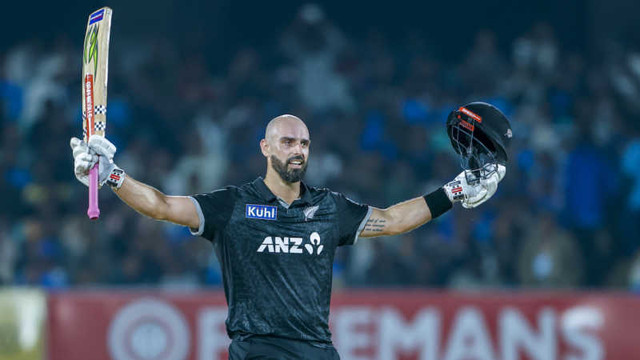
The cricket rivalry between India and New Zealand has developed into one of the most interesting contests in international cricket. Both teams have built strong reputations through different playing styles, experienced players and a consistent ability to compete under pressure. India is widely associated with its deep batting lineup, spin options and passionate cricket following, while New Zealand is known for disciplined bowling, effective fielding and a team-first approach. Whenever these sides meet, supporters look forward to a competitive match in which individual performances and tactical decisions can influence the result.
The growing popularity of IND vs NZ reflects the importance of this fixture across Test matches, One Day Internationals (ODIs) and Twenty20 Internationals (T20Is). Each format presents a different challenge, requiring teams to balance aggression, patience and adaptability. A batter who dominates a T20 match may need a completely different approach in a Test, while bowlers must adjust their lengths and variations according to the format and pitch conditions.
For cricket followers, understanding the latest team form, player availability, venue conditions and historical performances makes every contest more engaging. Current team selections and tournament schedules can change, so match previews should distinguish confirmed information from general analysis. Looking at these factors together provides a clearer picture of what to expect whenever India and New Zealand face each other.
IND vs NZ 2026: Latest Series Situation and Match Updates
The ongoing India tour of New Zealand in October and November 2026 has brought the two teams together for a full international schedule featuring five T20Is, five ODIs and two Test matches. The opening three T20Is have already produced exciting cricket, with India winning all three encounters. The first match in Christchurch saw India chase New Zealand’s 225 for four, reaching 230 for six in 19.4 overs. India followed that performance with a four-wicket victory in the second T20I before delivering another impressive chase in Wellington, where the visitors reached their target of 199 in just 13.2 overs.
These results have given India a strong start to the tour, although the remaining matches will offer different challenges. The fourth T20I is scheduled for October 30 at Eden Park in Auckland, followed by the final match in Hamilton on November 1. The ODI series begins on November 4, while the two-Test series is scheduled to run from November 19 to December 1. For fans following IND vs NZ, the key question is how both teams will adapt their strategies as the competition moves from short-format cricket to longer matches.
India’s Performance and Major Strengths
India’s performances in the opening T20Is have highlighted the value of aggressive batting and depth throughout the lineup. Rather than relying on one player to carry the scoring responsibility, the team has received contributions from several batters at important moments. Sanju Samson’s 67 from 33 deliveries in the first match helped establish an attacking approach, while Tilak Varma’s 51 from 26 balls in the second game played an important role in another successful chase. In the third T20I, Abhishek Sharma produced an outstanding innings of 113 from just 38 deliveries, helping India reach 199 with considerable time remaining.
India’s batting depth also allows the team to recover when early wickets fall. Middle-order players can rebuild an innings, while all-rounders provide additional flexibility when the required run rate increases. However, the team still needs to manage its bowling execution carefully. New Zealand scored 225 in the opening game and 198 in the third, demonstrating that India’s attack can face pressure when batters find their rhythm. Improving control during the middle overs and executing yorkers or slower deliveries effectively at the end of an innings will remain important priorities as the tour progresses.
Players Who Could Influence India’s Results
Abhishek Sharma has emerged as one of the standout performers in the T20I series because of his ability to score quickly against different bowling styles. His aggressive approach can put opposition bowlers under pressure during the powerplay, creating opportunities for the middle order to maintain the momentum. Sanju Samson has also demonstrated his ability to combine timing with powerful stroke play, while Shreyas Iyer offers experience and stability in the batting lineup. Their responsibilities may change depending on the opposition’s bowling plans and the conditions at each venue.
Axar Patel and other bowling options will also be important as India looks to balance attacking intent with consistency. Spin can help control the scoring rate during the middle overs, particularly when batters attempt to force the pace. At the same time, India’s fast bowlers must make effective use of movement, changes of pace and accurate lengths. The most successful combination will be the one that adapts to the match situation rather than following the same approach regardless of conditions.
New Zealand’s Strengths and Areas for Improvement
New Zealand remains a competitive opponent because of its disciplined approach and ability to identify weaknesses in the opposition. The hosts have shown that they can score quickly, with their batting lineup producing substantial totals in the opening matches. However, converting those performances into victories has been difficult during the first three T20Is. Defending a total requires more than taking early wickets; it also demands accurate bowling, effective field placements and the ability to prevent partnerships from developing when the opposition is chasing.
The home conditions could provide New Zealand with opportunities to improve its performance. Familiarity with local pitches, knowledge of ground dimensions and an understanding of how weather affects the ball can all help the hosts develop a more effective strategy. Mitchell Santner’s control with spin is especially valuable when the pitch offers assistance, while New Zealand’s pace options can challenge batters with changes of length and speed. The team will need a more consistent bowling performance if it hopes to put India under sustained pressure in the remaining matches.
New Zealand Players to Watch
Mitchell Santner is an important figure in New Zealand’s bowling plans because he can control the pace of an innings and force batters to take calculated risks. His experience against aggressive opponents gives him several options, including slowing the scoring rate and targeting batters who struggle to generate power against spin. New Zealand will also look to its top-order batters to establish strong partnerships and provide the middle order with a platform for acceleration.
Glenn Phillips and Daryl Mitchell are among the players capable of making valuable contributions with the bat. Phillips can change the momentum through attacking strokes, while Mitchell’s ability to build an innings can be useful when the team loses early wickets. Their performances, together with contributions from the rest of the lineup, could determine whether New Zealand can turn promising starts into competitive totals and defend them successfully.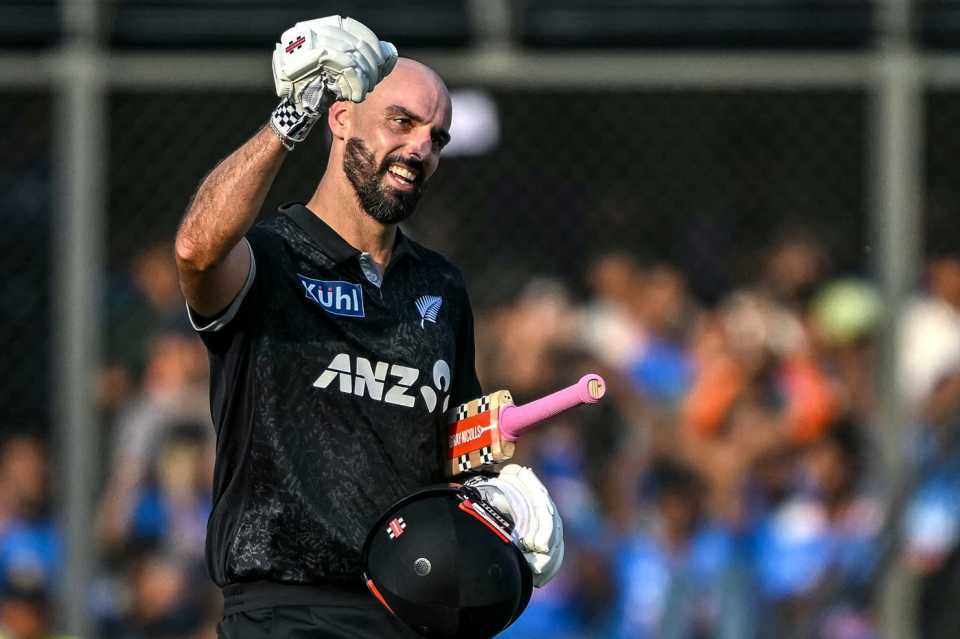
Upcoming India vs New Zealand Schedule 2026
The current tour includes three international formats, making it an important opportunity for both teams to assess their players across different conditions. The remaining T20Is will focus on short-format execution, while the ODI matches will require a more measured balance between accumulation and acceleration. The Test series will present a different challenge altogether, with greater emphasis on patience, technical ability and sustained bowling pressure.
The following table summarises the scheduled matches remaining in the tour as of October 29, 2026.
| Match | Date | Venue |
|---|---|---|
| 4th T20I | October 30 | Eden Park, Auckland |
| 5th T20I | November 1 | Seddon Park, Hamilton |
| 1st ODI | November 4 | Eden Park, Auckland |
| 2nd ODI | November 7 | Wellington |
| 3rd ODI | November 10 | Seddon Park, Hamilton |
| 4th ODI | November 13 | Bay Oval, Tauranga |
| 5th ODI | November 15 | Bay Oval, Tauranga |
| 1st Test | November 19–23 | Basin Reserve, Wellington |
| 2nd Test | November 27–December 1 | Hagley Oval, Christchurch |
The scheduled programme gives both sides limited time to adjust between formats, making squad management and recovery particularly important. Players who feature in several formats must adapt their preparation, batting tempo and bowling workloads. Team selections may also change according to conditions and the specific requirements of each match.
Pitch Conditions and Weather: What Fans Should Know
Pitch conditions can significantly influence the balance between bat and ball in international cricket. In New Zealand, venues can offer movement for fast bowlers, especially when conditions are cool or the pitch contains moisture. However, these characteristics are not guaranteed to remain the same throughout a match. A surface that initially helps seamers may become easier for batting as the ball loses its shine, while a dry pitch can offer spinners greater control as the game develops.
Eden Park in Auckland is particularly interesting because its compact playing dimensions can reward powerful hitting. Batters who time the ball well may find opportunities to score boundaries, but bowlers can still create pressure through changes of pace, accurate yorkers and well-planned field placements. At other grounds, the amount of grass, wind conditions and outfield speed may influence the best strategy. Fans analysing IND vs NZ should therefore consider the confirmed pitch report and match-day weather instead of assuming that every New Zealand venue will behave identically.
Head-to-Head Record and Historical Rivalry
India and New Zealand have produced memorable contests across all formats, including closely fought Test matches, competitive ODI encounters and high-scoring T20Is. Their rivalry has often highlighted the contrast between India’s batting depth and New Zealand’s disciplined, adaptable style. While historical records provide useful context, the overall head-to-head picture varies considerably depending on whether the comparison covers Tests, ODIs or T20Is. A team that performs strongly in one format may face a different challenge in another.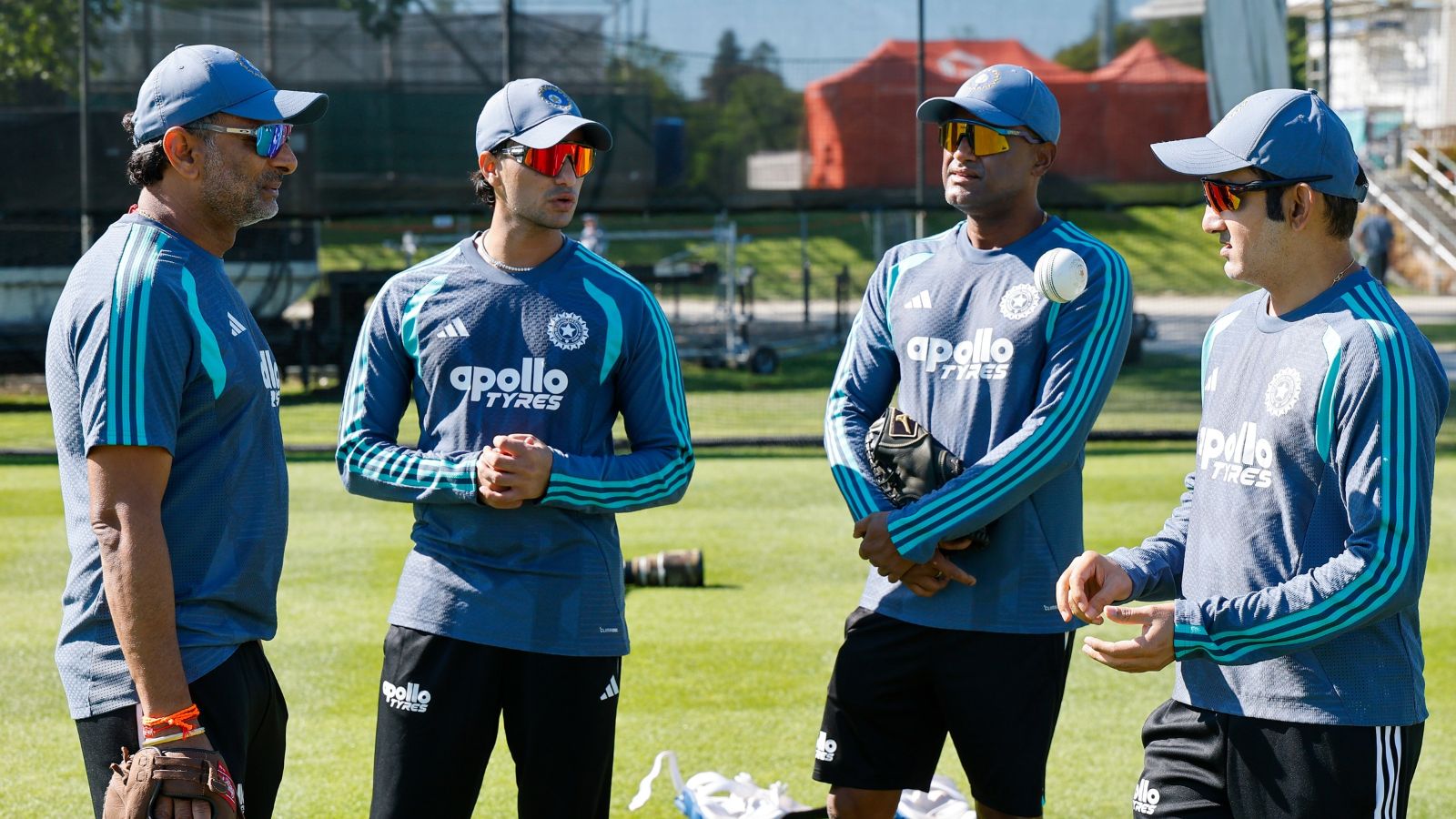
Recent performances are especially relevant when assessing the current T20I series. India’s three consecutive victories have demonstrated its ability to chase substantial targets, while New Zealand’s scoring performances show that its batting lineup remains capable of creating difficult situations for the visitors. Nevertheless, previous results do not guarantee future outcomes. Conditions, player availability, tactical adjustments and individual performances can change the balance of a contest, making each upcoming match a separate challenge.
What Makes T20, ODI and Test Matches Different?
Each format requires a different combination of tactics, patience and execution. In T20 cricket, teams have only 20 overs to establish momentum, so powerplay scoring, boundary conversion and death-over bowling become especially important. A batter may need to attack from the beginning, while bowlers must use variations to prevent opponents from scoring freely. India’s recent successful chases illustrate how quickly a match can change when the opening batters establish a strong scoring rate.
ODI cricket offers more time to recover from setbacks, but teams must still manage the balance between wickets and scoring speed. Building partnerships during the middle overs is essential because a strong finish often depends on having wickets available. Test cricket demands a different mindset, as players must maintain concentration over several sessions and potentially multiple days. Batters need to defend patiently and choose attacking opportunities carefully, while bowlers must sustain pressure through accurate lines, lengths and coordinated field settings.
Key Factors That Could Decide the Remaining Matches
Several elements could influence the direction of the series as India and New Zealand prepare for the upcoming fixtures. Although individual brilliance often attracts the most attention, successful teams usually combine strong performances with consistent execution across every department. A missed catch, an expensive over or a poorly timed batting collapse can have a significant impact, especially when the teams are closely matched.
The main factors worth watching include:
-
Powerplay performance: Early wickets or rapid scoring can shape the entire innings.
-
Middle-over control: Spinners and change-of-pace bowlers can slow scoring and create wicket-taking opportunities.
-
Death-over execution: Accurate yorkers, smart variations and calm batting become crucial in the final overs.
-
Fielding standards: Catches, ground fielding and quick decisions can influence close contests.
-
Adaptability: Teams that adjust their plans to the pitch and match situation can respond more effectively to pressure.
These factors are relevant throughout the tour, although their relative importance changes according to the format. In T20 cricket, a short burst of scoring can transform a match. In ODIs, partnerships and innings management often carry greater weight, while Test matches reward sustained discipline and the ability to exploit opportunities over longer periods.
Why the Series Matters for Both Teams
The 2026 tour provides both teams with an opportunity to evaluate combinations and build confidence before future international competitions. For India, the T20Is offer a chance to examine opening partnerships, middle-order flexibility and bowling combinations. Strong performances can help the management identify players who are comfortable handling pressure, while difficult situations reveal areas requiring further preparation. The ODI matches will provide a different test of consistency and adaptability, especially against New Zealand’s home attack.
For New Zealand, playing against India offers valuable experience against a side with considerable batting depth and multiple bowling options. The hosts can use the remaining fixtures to refine their plans, test combinations and identify the strategies that work most effectively against aggressive batting. The upcoming Test series will be particularly significant because it requires players to demonstrate technical discipline over longer periods. Across the tour, both teams will be looking beyond individual results to develop combinations capable of performing consistently in different conditions.
Conclusion
The India–New Zealand rivalry continues to offer compelling cricket through its combination of aggressive batting, disciplined bowling and tactical adjustments. India has made an impressive start to the 2026 T20I series by winning the first three matches, with notable contributions from Sanju Samson, Tilak Varma and Abhishek Sharma. New Zealand, meanwhile, has demonstrated its scoring ability but will need greater consistency with the ball to challenge the visitors in the remaining games.
For followers of IND vs NZ, the next fixtures offer plenty to watch, beginning with the fourth T20I at Eden Park on October 30. The subsequent ODI and Test matches will test different aspects of each team’s abilities, from explosive batting to patient innings construction and sustained bowling pressure. Keeping an eye on player form, pitch conditions, team selection and tactical decisions will help fans understand the bigger picture. Ultimately, the series is an opportunity for both sides to demonstrate their adaptability and compete at the highest level across all three formats.