


Introduction
One-day international cricket continues to offer a compelling balance between aggressive batting, disciplined bowling, and tactical decision-making. When India and New Zealand meet in the 50-over format, the contest attracts considerable attention because both teams have different strengths and a history of producing competitive performances. India are known for their batting depth and variety of bowling options, while New Zealand have built a reputation for teamwork, adaptability, and disciplined execution under pressure. These qualities make their encounters interesting for experienced cricket followers as well as casual viewers.
The IND vs NZ ODI rivalry is particularly appealing because matches can change direction at several stages. A strong opening partnership can establish the foundation for a large total, but a disciplined middle-overs spell may bring the fielding side back into contention. Similarly, a team defending a competitive score must balance wicket-taking opportunities with the need to control the run rate. Small decisions involving bowling changes, strike rotation, field placements, and the timing of an attacking innings can significantly influence the result.
For fans following the latest cricket developments in October 2026, it is important to distinguish confirmed match information from general team analysis. Playing XIs, injuries, series schedules, venue conditions, and recent results can change from one fixture to another. Understanding the broader strengths of both sides provides useful context without assuming that a particular player will participate or that a specific result is guaranteed.
IND vs NZ ODI 2026: Latest Series Schedule and Overview
As of October 29, 2026, India are preparing for a five-match ODI series in New Zealand scheduled to begin on November 4. The tour follows a five-match T20I series and will conclude with two Test matches later in November. The ODI fixtures will take place across Auckland, Wellington, Hamilton, and Mount Maunganui, giving both teams opportunities to adapt to different playing conditions throughout the tour.
The upcoming series is significant because matches away from home require careful preparation, particularly when players encounter unfamiliar pitches, weather patterns, and ground dimensions. India will aim to establish consistency in the 50-over format, while New Zealand will look to make effective use of home conditions. The schedule also provides cricket followers with several opportunities to evaluate batting combinations, bowling partnerships, and team balance ahead of future international tournaments.
| Match | Date | Venue |
|---|---|---|
| 1st ODI | November 4, 2026 | Eden Park, Auckland |
| 2nd ODI | November 7, 2026 | Hnry Stadium, Wellington |
| 3rd ODI | November 10, 2026 | Seddon Park, Hamilton |
| 4th ODI | November 13, 2026 | Bay Oval, Mount Maunganui |
| 5th ODI | November 15, 2026 | Bay Oval, Mount Maunganui |
The scheduled start time for these matches is 7:30 a.m. Indian Standard Time. Fans should check the final fixture details closer to each game because international schedules and match arrangements can occasionally change.
India Team Analysis: Batting Strength and Bowling Balance
India’s ODI approach traditionally depends on combining technically sound top-order batting with middle-order flexibility and a varied bowling attack. Experienced batters can provide stability during the opening overs, while players in the middle order must balance risk with the need to maintain momentum. This combination becomes especially important in a 50-over contest, where a team has enough time to recover from an early setback but cannot afford to lose wickets continuously.
The upcoming IND vs NZ ODI series will also provide an opportunity to assess India’s adaptability in New Zealand conditions. Batters may need to show patience against seam movement before accelerating once they become comfortable at the crease. The bowling unit, meanwhile, must be prepared to adjust its lengths according to the pitch and weather. A balanced side generally needs new-ball specialists, middle-over wicket-taking options, and bowlers capable of executing accurate plans at the death. The final playing XI will determine how these responsibilities are distributed, so squad announcements and fitness updates remain important.
Top-Order Batting and Middle-Order Responsibilities
India’s top order can influence the direction of an ODI match within the first 15 overs. A stable opening partnership reduces pressure on the middle order and allows the incoming batters to build an innings around a manageable scoring rate. However, attacking too early against a moving ball can expose the team to unnecessary wickets. The challenge is to identify scoring opportunities without sacrificing the foundation required for a competitive total.
The middle order must then respond to the match situation. If the opening batters provide a strong platform, players can increase the scoring rate through calculated aggression. If early wickets fall, rebuilding becomes the priority. Batters who can rotate the strike, handle spin, and accelerate against older balls are particularly valuable in these circumstances. Lower-order contributions can also make a difference, especially when a team needs an additional 20 or 30 runs during the final overs.
Bowling Options and Fielding Standards
India’s bowling strategy will need to account for both early movement and the changing behaviour of the pitch as the match progresses. Fast bowlers may seek swing and seam movement with the new ball, while spinners can become influential during the middle overs if the surface offers grip. Effective bowling is not simply about pace or turn; it also requires consistent line and length, smart field placements, and the ability to recognise when a batter is attempting to accelerate.
Fielding will be another important factor. Direct hits, safe catching, and quick movement in the outfield can save valuable runs over 50 overs. In a closely contested match, a missed catch or an unnecessary boundary can alter the pressure on the bowling side. India’s overall performance will therefore depend on the combined contribution of the batting, bowling, and fielding units rather than the achievements of one or two individuals.
New Zealand Team Analysis: Home Conditions and Tactical Approach
New Zealand have often relied on disciplined cricket, collective effort, and the ability to exploit familiar conditions. Playing at home gives the team an opportunity to prepare for local pitches and weather patterns, although home advantage does not guarantee a particular result. Seam movement can be useful when conditions favour fast bowling, and disciplined lines can make scoring difficult for visiting batters who are still adjusting to the environment.
In the upcoming series, New Zealand will need a balanced batting order capable of handling India’s varied bowling options. A strong start can help the hosts establish control, but the middle overs will require careful management of wickets and scoring opportunities. Their bowlers must also be prepared for India’s ability to accelerate after a cautious opening phase. The most effective approach will be one that responds to the actual match conditions rather than relying on a fixed plan throughout the innings.
Players and Roles to Watch
Individual performances can shape the contest, but it is important to distinguish established roles from confirmed participation. Rohit Sharma and Virat Kohli are among the experienced Indian batters who attract attention in ODI cricket, while Shubman Gill and Shreyas Iyer represent important batting options when selected and available. Their responsibilities can vary according to the team’s combination and the situation in each match.
For New Zealand, the contribution of senior batters, all-rounders, and frontline bowlers will be equally important. Players who can contribute in more than one discipline offer selectors additional flexibility when building the side. Rather than assuming that any particular player will decide the series, fans should examine current form, fitness, recent performances, and the officially announced playing XI before assessing individual prospects.
Pitch Conditions and Weather: Factors That Could Shape the Series
Pitch conditions can significantly affect the way an ODI develops. A surface with good bounce and pace may reward batters who play confidently through the line, while a pitch offering seam movement can encourage bowlers to attack the stumps and outside edge. Conditions may also change as the match progresses, making the toss, innings timing, and the ability to adjust tactics important considerations.
The five venues scheduled for the series provide different settings for the two teams. Eden Park in Auckland is known for its distinctive ground dimensions, which can influence boundary-hitting strategies. Wellington’s Hnry Stadium may require teams to account for local wind conditions, while Seddon Park in Hamilton and Bay Oval in Mount Maunganui offer their own combinations of pitch behaviour and ground layout. These are general venue considerations rather than guarantees about the conditions on a particular match day.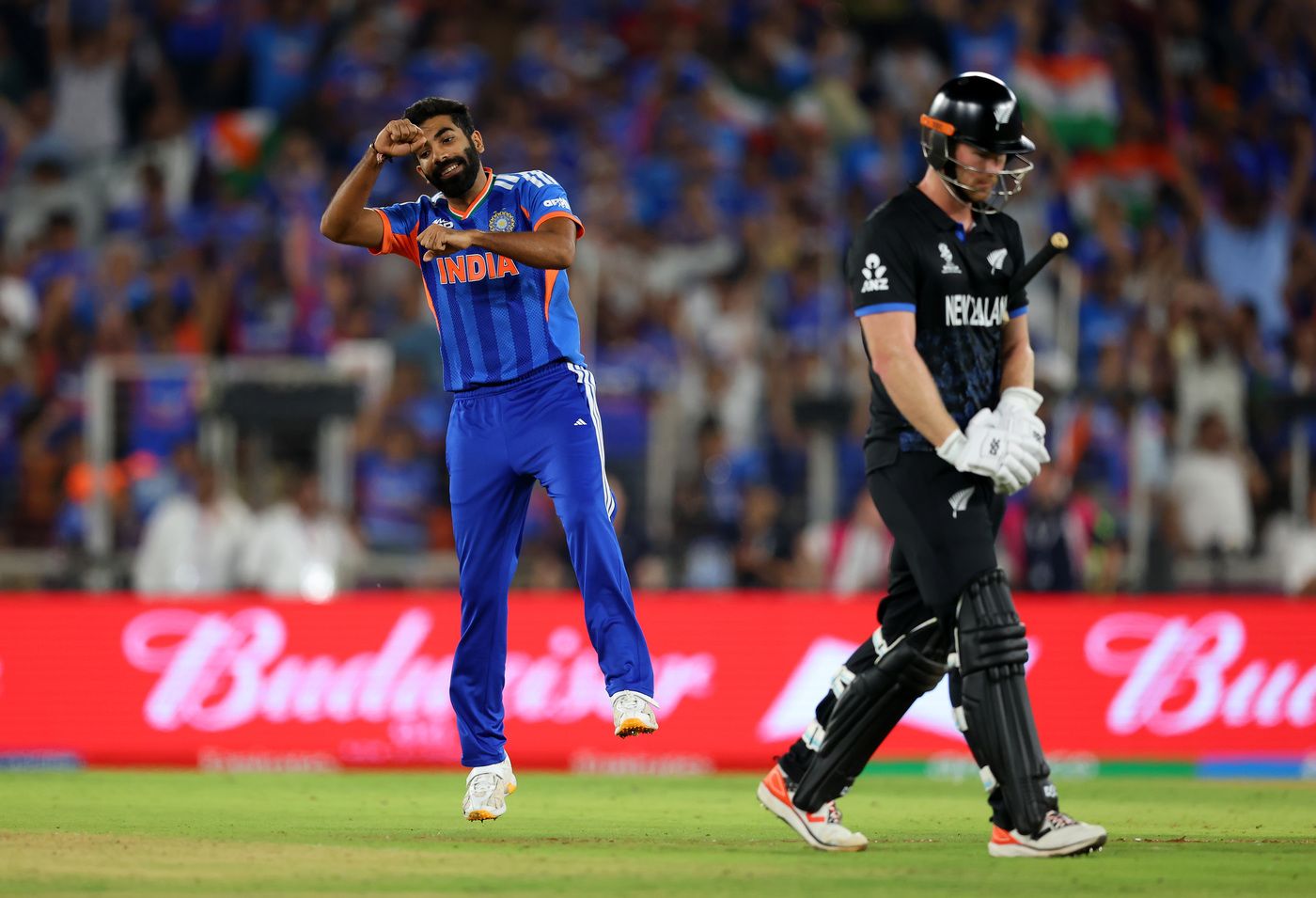
Weather should also be monitored before each fixture. Cloud cover, wind, and rain interruptions can affect the balance between batting and bowling. If rain reduces the available playing time, the match officials may apply the relevant playing conditions and a revised target where appropriate. Teams must therefore prepare for multiple scenarios instead of relying on a single expected pattern.
Batting Strategies in a 50-Over Match
Successful ODI batting involves managing three broad phases: the powerplay, the middle overs, and the final acceleration. During the opening phase, batters must find the right balance between scoring boundaries and preserving wickets. The fielding restrictions can create opportunities, but early movement or accurate bowling may make aggressive shots risky. A measured start can be valuable if it allows the team to establish a platform for the later stages.
During the middle overs, strike rotation becomes particularly important. Singles and twos keep the scoreboard moving and prevent bowlers from building pressure through consecutive dot balls. Batters must also identify favourable matchups against pace and spin. In the final overs, the focus shifts towards maximising scoring opportunities while retaining enough wickets to support an attacking finish. The best approach depends on the current run rate, wickets remaining, pitch conditions, and the quality of the bowling attack.
A practical batting plan should consider:
-
Building partnerships instead of relying entirely on individual boundary-hitting.
-
Rotating the strike against bowlers who restrict easy scoring options.
-
Targeting suitable deliveries rather than forcing shots against disciplined bowling.
-
Preserving enough batting depth to accelerate during the final overs.
These principles apply to both teams and can help explain why two sides with similar batting talent sometimes produce very different totals.
Bowling Strategies and the Importance of Wicket-Taking
Bowling in ODI cricket requires more than restricting runs. Teams must identify opportunities to take wickets while maintaining control over the scoring rate. New-ball bowlers may attack the outside edge or target the stumps, depending on the movement available. During the middle overs, spinners and change-of-pace deliveries can disrupt a batter’s rhythm, particularly when the fielding captain uses placements that encourage calculated risks.
The death overs require especially accurate execution. Yorkers, slower balls, and well-directed short deliveries can make boundary-hitting difficult, but poor execution may allow batters to score freely. Captains must assess the batter’s preferred scoring areas and select field placements accordingly. A successful plan also requires flexibility: if a particular approach is not working, the bowling side should adjust its lengths or change the sequence of bowlers rather than repeat an ineffective strategy.
Head-to-Head History and the Importance of Match Context
India and New Zealand have competed across multiple generations of international cricket, producing memorable contests in bilateral series and major tournaments. Their rivalry demonstrates how different playing styles can create interesting tactical challenges. India’s batting resources and variety of bowling options often make team balance a major discussion point, while New Zealand’s collective approach and familiarity with local conditions add another dimension to the contest.
However, historical results should be interpreted carefully. A victory achieved several years ago does not necessarily indicate which side will perform better in an upcoming match. Team composition, player availability, current form, pitch conditions, and the format of the competition can all change the balance. For the current series, recent performances and confirmed team selections will offer more useful context than relying exclusively on historical records.
How Fans Can Follow the Series and Understand Match Updates
Cricket followers can make their match experience more informative by paying attention to scorecards and tactical developments instead of focusing only on the final result. The opening partnership, wickets lost during the powerplay, middle-over scoring rate, and runs conceded at the death provide a useful picture of how an innings unfolds. Bowling figures, partnerships, extras, and fielding contributions also help explain why a team succeeds or struggles.
For people following IND vs NZ ODI coverage, it is useful to distinguish confirmed information from pre-match speculation. Squad announcements, injury reports, toss results, and playing XIs should be treated as separate pieces of information because a player being named in a squad does not automatically mean that player will appear in every game. Likewise, predicted scores and projected outcomes are estimates rather than established facts. Looking at the actual match situation provides a clearer understanding of the contest.
Fans should also remember that ODI cricket can remain competitive until the final overs. A team chasing a challenging target may recover through one substantial partnership, while a side defending a total can regain control with a timely wicket. Following these shifts makes it easier to appreciate the tactical decisions behind the scorecard.
Conclusion
The upcoming India-New Zealand ODI series, scheduled from November 4 to November 15, 2026, promises an interesting examination of batting depth, bowling discipline, and adaptability across different New Zealand venues. With five matches planned, both sides will have opportunities to assess combinations, respond to changing conditions, and build momentum throughout the contest. India’s experienced batting options and varied bowling resources will be important, while New Zealand’s familiarity with home conditions and emphasis on coordinated performances will also play a role.
Ultimately, the IND vs NZ ODI contest will be shaped by execution rather than reputation alone. Strong partnerships, timely wickets, intelligent field placements, and reliable fielding can influence the result at crucial moments. For fans, keeping track of confirmed schedules, player availability, pitch reports, and match-day developments will provide the clearest picture of the series. By considering these factors together, readers can gain a deeper understanding of the cricket and appreciate the strategic decisions that make one-day international matches so engaging.