




Introduction
Test cricket remains one of the most demanding forms of the game, where patience, technical ability, mental strength, and strategic planning determine the outcome over several days. India and New Zealand have developed a compelling rivalry in this format, producing memorable performances, unexpected results, and contests in which conditions often play a decisive role. The contrast between India’s spin-friendly home grounds and New Zealand’s seam-friendly pitches makes every meeting an intriguing examination of cricketing skills.
The ind vs nz test rivalry has gained additional attention following New Zealand’s historic 3–0 Test series victory in India during 2024. That result demonstrated how visiting teams can succeed in challenging conditions when they combine disciplined bowling, adaptable batting, and effective tactical decisions. It also highlighted the importance of responding quickly when a match begins to move away from the expected pattern.
As of October 2026, another important chapter is approaching. India are scheduled to tour New Zealand for two Test matches in November, following the white-ball fixtures in the current tour. The first Test is scheduled for Wellington from November 19 to 23, while the second is planned for Christchurch from November 27 to December 1. These matches will provide a fresh opportunity for both sides to test their preparations and compete in conditions that traditionally challenge visiting batters.
Understanding the India-New Zealand Test Rivalry
A contest built on contrasting strengths
India and New Zealand approach Test cricket with different traditional advantages. India have historically relied on technically accomplished batters, a strong spin-bowling tradition, and the ability to control long periods of play on turning surfaces. New Zealand, meanwhile, have frequently used swing bowling, seam movement, disciplined field placements, and patient batting to compete against stronger opponents on paper.
These differences create fascinating tactical situations. On an Indian surface, visiting batters may need to defend for long periods against spinners who vary their flight, speed, and angles. In New Zealand, Indian players can face a different challenge when the new ball moves through the air or off the pitch. A batter who looks comfortable against spin may suddenly need to adjust footwork and leave deliveries outside the off stump.
The rivalry is therefore about more than individual talent. Successful teams recognise local conditions early, make sensible selection decisions, and remain flexible throughout a match. A captain might choose an additional fast bowler on a green surface or strengthen the spin department when a pitch is expected to deteriorate. Such decisions can influence the balance of a five-day contest.
Why Test cricket makes this rivalry special
Unlike limited-overs cricket, Test matches allow teams to recover from difficult sessions and build pressure gradually. A team can lose early wickets in the morning but recover through a determined partnership in the afternoon. Similarly, a bowler who struggles initially may become more dangerous as the ball ages, the pitch changes, and the opposition begins to tire.
The ind vs nz test contests are particularly interesting because both teams have demonstrated an ability to adapt their methods. New Zealand’s disciplined bowling can challenge India’s established batting techniques, while India’s depth in spin and pace can expose weaknesses in the visiting team’s batting order. The result often depends on which side adjusts more effectively to changing conditions and maintains concentration for longer.
India vs New Zealand Test Series 2026: Current Schedule
The upcoming November series is an important part of New Zealand’s 2026–27 international home season. It marks India’s return to Test cricket in New Zealand after their previous Test tour during the 2019–20 season. The two-match series is scheduled after five T20 internationals and five one-day internationals, giving both teams an extended period of international cricket before the longest format begins.
The following table summarises the announced Test fixtures. Dates are presented in New Zealand local time.
| Match | Scheduled dates | Venue |
|---|---|---|
| First Test | November 19–23, 2026 | Basin Reserve, Wellington |
| Second Test | November 27–December 1, 2026 | Hagley Oval, Christchurch |
The Wellington match will open the series at a ground known for its coastal conditions and potential assistance for fast bowlers. The Christchurch Test will follow after a short break, giving teams limited time to review their performances, recover physically, and make any necessary changes. Because there are only two matches, a strong start will be particularly valuable for the side hoping to win the series.
The schedule also creates an interesting preparation challenge. Players must transition from shorter formats, where aggressive scoring and quick tactical changes dominate, to Test cricket, where shot selection, sustained concentration, and bowling accuracy become central. Players who adjust quickly to the longer format could make a substantial difference to their team’s performance.
Key Factors That Could Decide the Series
1. New Zealand’s pace bowling advantage
New Zealand’s home conditions often make fast bowling a central part of Test match strategy. At venues such as Wellington and Christchurch, atmospheric conditions can help the ball swing, while suitable surfaces may provide seam movement. This does not guarantee assistance throughout a match, but it can make the opening sessions particularly demanding for visiting batters.
For India, the challenge will be to handle the new ball without losing wickets in clusters. Batters need to judge which deliveries deserve a shot and which should be left alone. Playing close to the body, maintaining a balanced stance, and avoiding unnecessary movement across the crease can help reduce the risk of edges. A partnership that survives the first spell can change the complexion of an innings by forcing the captain to rotate bowlers.
New Zealand’s fast bowlers will also need to maintain discipline rather than depend entirely on movement. If they bowl too wide or offer scoring opportunities on the leg side, India’s batters can settle into a rhythm. Consistent lines, changing lengths, and well-planned field settings are likely to be important throughout the series.
2. India’s batting technique and adaptability
Indian batters will need to balance defensive responsibility with opportunities to score. A completely passive approach can allow bowlers to build pressure, but excessive aggression can create avoidable dismissals. The most effective method is often to defend confidently, rotate the strike when possible, and attack deliveries that are genuinely suited to scoring.
Adaptability will matter across different phases of each innings. Early in the morning, batters may need to respect movement away from the bat. As conditions become more settled, they can look to score through gaps and put pressure on the fielding side. If the pitch begins to deteriorate, footwork and judgement become even more important.
The ind vs nz test series could therefore reward batters who remain calm after losing a partner. Instead of immediately attempting a risky counterattack, a new batter may benefit from spending time understanding the pace of the surface. Establishing a partnership of 70 or 100 runs can provide the foundation for a competitive total and give the bowling attack something meaningful to defend.
3. The role of spin bowling
Spin bowling remains a significant part of India’s Test cricket identity, particularly on home pitches that offer turn. In New Zealand, however, spinners may have to work differently. The surface, weather, and amount of wear can determine whether they attack aggressively or focus on controlling the scoring rate.
A spinner’s value is not measured only by the number of wickets taken. Building pressure through accurate bowling can force batters to attempt risky shots against the faster bowlers at the other end. Changes in pace, trajectory, and length can also encourage mistakes when a batter becomes impatient.
New Zealand’s spinners will face their own test against Indian batters who have extensive experience playing spin. They may need to vary their flight, use the crease intelligently, and create uncertainty without sacrificing control. Captains must also judge when to introduce spin and how long to persist with it, especially if fast bowlers are producing movement.
4. Fitness, fielding, and mental endurance
Test cricket places substantial demands on concentration and physical conditioning. Fast bowlers may deliver long spells, fielders must remain alert for extended periods, and batters can spend hours at the crease. A small lapse in focus can change a session, while repeated errors can allow an opponent to take control of the match.
Fielding standards are particularly important in close contests. Dropped catches, missed run-out opportunities, and unnecessary overthrows can give valuable runs to the opposition. In a two-match series, a single missed chance against an established batter could have consequences across several sessions.
Mental resilience matters just as much. Teams need to remain composed after a poor morning, a disputed decision, or a long partnership by the opposition. The side that responds constructively to setbacks and keeps executing its plans may gain an advantage as the match progresses.
Important Players and Match-Winning Roles
Individual performances often shape the direction of India-New Zealand Tests, but a successful team needs contributions from several positions. Openers must negotiate the new ball, middle-order batters need to convert starts into substantial scores, and lower-order players can add valuable runs when the first innings is approaching its conclusion.
For India, experienced batters such as Virat Kohli and players who are establishing themselves in the Test setup could be important, depending on selection and availability. Their responsibilities would include handling seam movement, constructing partnerships, and helping the team recover after early wickets. However, the final squad and playing eleven should be confirmed closer to the matches rather than assumed in advance.
New Zealand will look to combine its established red-ball experience with the strengths of its available pace and batting options. Players who understand local conditions can help set realistic scoring targets and communicate how the pitch is behaving. Their value extends beyond individual statistics, as experienced cricketers can help younger teammates manage pressure during difficult periods.
The following table explains the main roles to watch during the series.
| Player role | Importance in Test cricket | What to watch |
|---|---|---|
| Opening batters | Handle the new ball | Defensive judgement and patience |
| Middle-order batters | Stabilise or rebuild innings | Partnership building and shot selection |
| Fast bowlers | Exploit movement and create pressure | Accuracy, swing, and seam control |
| Spinners | Control scoring and take wickets | Flight, variation, and consistency |
| All-rounders | Balance batting and bowling resources | Contributions across both disciplines |
These roles can be more informative than focusing only on star names. A lower-order partnership, a spell that removes two batters before lunch, or a disciplined fielding performance can influence the result just as much as a century. Test matches reward collective effort, and teams that receive contributions throughout the lineup are better equipped to withstand difficult sessions.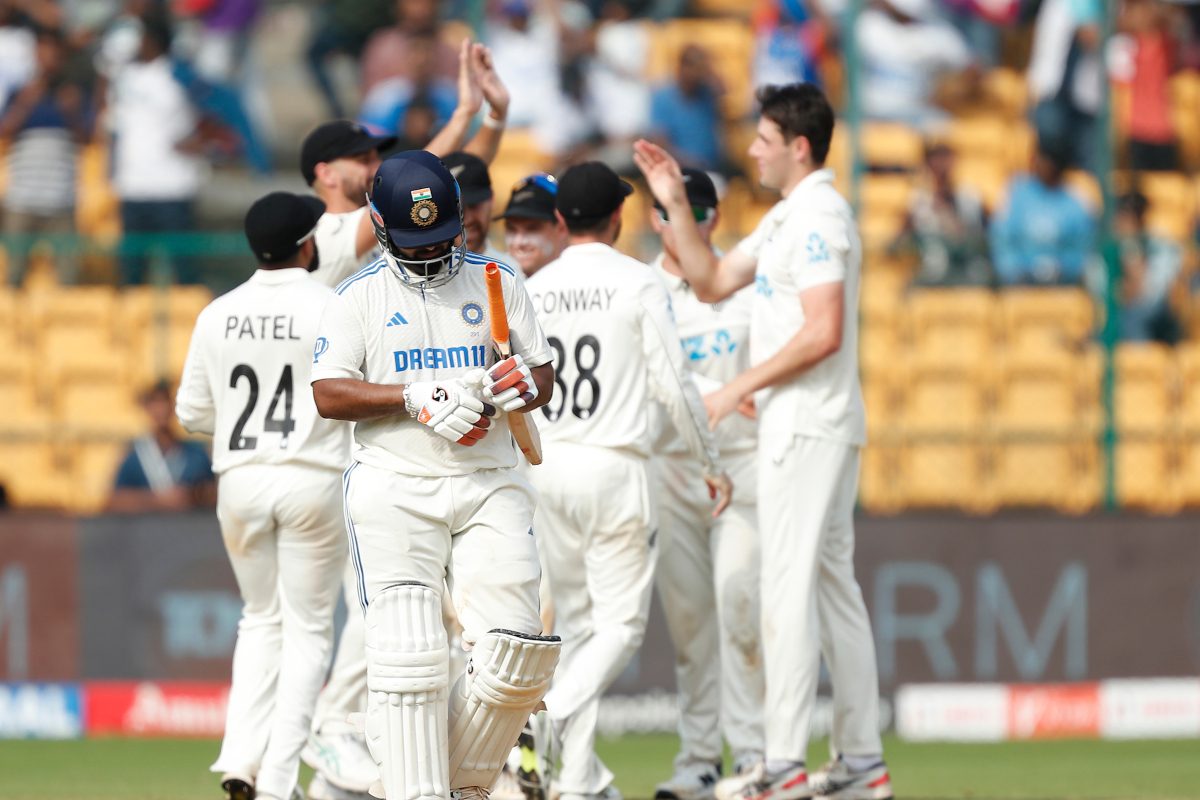
Lessons from the 2024 Test Series in India
One of the most significant recent moments in this rivalry came in October and November 2024, when New Zealand defeated India 3–0 in a three-match Test series on Indian soil. The result was historic because India had not previously lost a home Test series by that margin in a three-or-more-match contest. New Zealand’s success showed that careful planning, disciplined bowling, and effective batting partnerships could overcome the advantage traditionally associated with playing at home.
The series also challenged assumptions about how Test cricket in India must be played. New Zealand’s players adapted to the conditions, made the most of important opportunities, and applied pressure when India’s batters struggled to build partnerships. India, meanwhile, found it difficult to maintain consistency across all three matches. The outcome demonstrated that reputation alone cannot secure results in international cricket; teams must execute their plans effectively throughout every session.
For the upcoming tour, these results provide useful context, but they do not determine what will happen in New Zealand. The conditions are different, the venues offer different challenges, and team combinations may have changed. India can learn from the earlier defeats while New Zealand will look to build on its success. The next series will require both sides to approach the matches on their own merits rather than rely on past results.
How Pitch and Weather Conditions Influence Test Matches
Wellington: Swing, seam, and patience
The Basin Reserve in Wellington is known for conditions that can challenge batters, particularly when the weather encourages movement through the air. Fast bowlers may find opportunities with the new ball, making the first hour of play especially important. Batters who are prepared to leave deliveries outside their scoring range and defend with a straight bat can reduce the risk of early wickets.
Wind and changing weather may also affect how captains manage their bowling resources. A captain could use short, attacking spells when movement is available and bring in fresh bowlers before they lose effectiveness. If conditions become more favourable for batting, the team must be prepared to adjust its field placements and bowling lengths rather than continue using a plan that no longer works.
Christchurch: Adjusting to the surface
Hagley Oval in Christchurch offers another examination of batting technique and bowling control. Conditions can support seam bowling, although the degree of movement depends on the pitch preparation, weather, and stage of the match. As the game develops, batters may find scoring easier if they have negotiated the early pressure, while bowlers will need to work for wickets through accuracy and sustained pressure.
The ind vs nz test matches may therefore be decided partly by how quickly each team understands the conditions at the two venues. India will need to adapt its batting and bowling plans to New Zealand’s surfaces, while the hosts must remain alert to India’s ability to build substantial partnerships. Winning the toss can influence early decisions, but good execution over five days usually matters far more than the toss alone.
Strategies That Can Help India and New Zealand Succeed
Both teams will need to plan carefully for the different phases of a Test match. The first innings is often about establishing a foundation, the middle sessions involve managing pressure and creating opportunities, and the final stages require clear decisions based on the score, remaining time, and condition of the pitch. Captains must consider whether to attack for wickets, protect a lead, or encourage the opposition to take risks.
For India, a balanced approach could involve selecting the right combination of seamers, spinners, and all-rounders for the conditions. Batters should prioritise partnerships instead of relying on individual brilliance, while bowlers must avoid giving away easy runs when the opposition is under pressure. The team’s ability to manage the new ball will be especially important in New Zealand.
New Zealand, on the other hand, will look to use its knowledge of local conditions without becoming predictable. Its bowlers need to recognise when to attack the stumps, when to target the outside edge, and when to change their lengths. Its batters must be equally careful about playing India’s bowlers, particularly if the match reaches a stage where spin becomes more influential.
A few practical factors will be especially important for both sides:
-
Building partnerships instead of chasing quick runs in difficult conditions.
-
Maintaining accurate bowling lines and using field placements that support a clear plan.
-
Taking catches consistently and converting half-chances into wickets.
-
Managing player workloads and making timely tactical adjustments.
These fundamentals may appear straightforward, but maintaining them for five days is one of the greatest challenges in Test cricket. A team that follows its strategy with discipline, while remaining flexible when conditions change, can create opportunities even when the match initially appears to be moving against it.
What Fans Should Watch During the Upcoming Series
Fans following the ind vs nz test series should pay attention to more than the final scorecard. The first hour of each day can reveal how the pitch is behaving, while partnerships and bowling changes often indicate which side is beginning to control the contest. The number of overs completed, the condition of the ball, and the timing of wickets can all provide clues about the direction of a match.
The contest between India’s batting lineup and New Zealand’s seam attack will be one of the major talking points. It will also be worth observing how India balances its bowling options and how New Zealand responds when its fast bowlers are unable to find consistent movement. If the matches reach their fourth or fifth days, pitch deterioration, player fatigue, and the management of the required run rate could become decisive.
Fans should also distinguish confirmed information from speculation. Final squads, playing elevens, injury updates, and last-minute changes can affect expectations, so these details should be checked when officially announced. Although past performances help explain the rivalry, the outcome of each Test will depend on the players available and their performances during the match itself.
Conclusion
The India-New Zealand Test rivalry continues to demonstrate why the longest format remains an important measure of a team’s adaptability, discipline, and resilience. India’s traditional strengths in batting depth and spin bowling contrast with New Zealand’s ability to use home conditions and disciplined seam bowling. This contrast makes their meetings tactically engaging and gives both teams opportunities to demonstrate their strengths.
The upcoming November 2026 series offers another opportunity to examine how these approaches compare. With Tests scheduled in Wellington and Christchurch, India must prepare for potentially challenging conditions, while New Zealand will aim to make its home advantage count. Strong opening partnerships, accurate bowling, reliable fielding, and sensible captaincy could all play significant roles.