


Introduction
International cricket between India and New Zealand has always provided an exciting contest for cricket lovers. Both teams have established reputations for producing talented players, competitive performances and memorable matches across different formats. Their 2026 international tour brings another important chapter to this cricketing rivalry, featuring five Twenty20 Internationals, five One Day Internationals and two Test matches. With twelve international fixtures scheduled between October and December, supporters have plenty of cricketing action to follow.
The India vs New Zealand 2026 tour is particularly interesting because it tests both teams in different playing conditions and formats. India has started the T20I series with three consecutive victories, while New Zealand will look to use its home advantage to respond in the remaining matches. The competition is also an opportunity for emerging players to demonstrate their abilities alongside experienced international cricketers. Each format brings different requirements, making consistency, fitness and tactical planning important throughout the tour.
The opening T20I was played on October 22 in Christchurch, followed by the second match at the same venue on October 24. India continued its winning run in Wellington on October 27. The fourth T20I is scheduled for October 30 in Auckland, while the fifth match will take place on November 1 in Hamilton. After the shortest format concludes, the teams will move towards the ODI series and eventually the two-match Test contest. This extended schedule makes the tour an important event for supporters following international cricket in 2026.
India vs New Zealand 2026: Complete Tour Overview
The 2026 tour is a significant multi-format international assignment because it includes three different types of cricket within a relatively short period. The five-match T20I series focuses on aggressive batting, quick scoring and creative bowling strategies. The ODI matches will require teams to balance attacking cricket with patience, while the Test series will place greater emphasis on technique, concentration and endurance.
For India, travelling to New Zealand provides an opportunity to test its players outside familiar home conditions. Visiting teams can face different challenges in New Zealand because weather, pitch behaviour and ground dimensions may influence match strategies. Batters must adjust to movement through the air and off the surface, while bowlers need to understand when to use swing, seam movement and variations.
New Zealand, on the other hand, will benefit from its knowledge of local grounds and conditions. Familiarity with the pitches can help the home side prepare suitable combinations and bowling plans. However, facing India’s batting depth and varied bowling resources creates a demanding challenge for the hosts.
The twelve-match structure also makes the tour valuable from a team-development perspective. Players who perform well in one format may be tested in another, and the management of workloads will become increasingly important. Teams must also decide when to retain experienced players and when to provide opportunities to younger members of their squads.
Complete India vs New Zealand 2026 Match Schedule
The tour begins with five T20I matches, followed by five ODIs and two Tests. The fixtures are spread across several New Zealand cities, including Christchurch, Wellington, Auckland, Hamilton and Mount Maunganui. Indian supporters should pay attention to the time difference when following the matches because several games will begin early in the morning according to Indian Standard Time.
| Format | Match date | Venue | Time (IST) |
|---|---|---|---|
| 1st T20I | October 22 | Christchurch | 12:30 PM |
| 2nd T20I | October 24 | Christchurch | 12:30 PM |
| 3rd T20I | October 27 | Wellington | 12:30 PM |
| 4th T20I | October 30 | Auckland | 12:30 PM |
| 5th T20I | November 1 | Hamilton | 12:30 PM |
| 1st ODI | November 4 | Auckland | 7:30 AM |
| 2nd ODI | November 7 | Wellington | 7:30 AM |
| 3rd ODI | November 10 | Hamilton | 7:30 AM |
| 4th ODI | November 13 | Mount Maunganui | 7:30 AM |
| 5th ODI | November 15 | Mount Maunganui | 7:30 AM |
| 1st Test | November 19–23 | Wellington | 3:30 AM |
| 2nd Test | November 27–December 1 | Christchurch | 3:30 AM |
The schedule highlights how quickly the teams will move from one stage of the tour to another. The short break between the final T20I and the opening ODI will require players to adjust their preparation. Similarly, the transition from the ODI series to Test cricket will demand changes in technique, fitness management and match planning.
T20I Series: India’s Strong Beginning
The five-match T20I series is the opening stage of the tour and has already provided several exciting moments. India started its campaign with an impressive victory in Christchurch on October 22. New Zealand scored 225 runs for four wickets in its allotted twenty overs, creating a challenging target for the visitors. India responded with an effective batting performance and reached 230 for six in 19.4 overs, securing a four-wicket victory.
Sanju Samson played an important role in the opening match by scoring 67 runs from 33 deliveries. His aggressive approach helped India maintain the required scoring rate during the chase. The match also demonstrated the importance of middle-order support because successful run chases often require contributions from several batters rather than one individual.
The second T20I took place on October 24 at Hagley Oval. New Zealand scored 180 for five, but India successfully reached 181 for six in 19.5 overs. Tilak Varma contributed 51 runs from only 26 balls, providing an important innings when the team needed stability and acceleration. India once again won by four wickets, taking a two-match advantage in the series.
The third T20I was played in Wellington on October 27. New Zealand posted 198 for three, setting another competitive target. Abhishek Sharma produced an outstanding batting performance, scoring 113 runs from just 38 deliveries. India completed the chase at 199 for four in 13.2 overs, winning by six wickets. His innings became one of the major talking points of the opening stage because of its combination of timing, power and scoring speed.
These three victories have given India a strong start, but the remaining T20I matches are still important. New Zealand will want to improve its bowling execution and batting partnerships, while India will aim to maintain its momentum and continue testing different combinations.
Upcoming T20I Matches and Important Expectations
The fourth T20I is scheduled to take place on October 30 at Eden Park in Auckland. This venue is known for its distinctive dimensions and can produce interesting contests between batters and bowlers. The fifth and final T20I will be played on November 1 at Seddon Park in Hamilton.
For New Zealand, the remaining games provide an opportunity to respond after losing the opening three matches. The team will need to improve its control during the middle overs and prevent Indian batters from building partnerships. Bowlers may also need to use changes of pace and accurate lengths to reduce the scoring rate.
India will focus on maintaining consistency while managing the workload of its players. T20 cricket encourages attacking decisions, but successful teams also understand when to slow down, protect wickets and rebuild an innings. The final two matches can therefore provide useful information about the strengths and weaknesses of both sides.
ODI Series: A New Challenge for Both Teams
After the T20I series, India and New Zealand will begin their five-match ODI contest on November 4 at Eden Park in Auckland. The second match is scheduled for November 7 in Wellington, followed by the third ODI in Hamilton on November 10. The final two matches will be played at Bay Oval in Mount Maunganui on November 13 and November 15.
One Day International cricket requires a different approach compared with T20 matches. Teams have fifty overs to build an innings, which means that batting decisions must be carefully planned. An aggressive start can provide momentum, but losing too many wickets early can create difficulties during the middle overs.
Indian batters will need to understand the conditions before deciding how quickly to score. Experienced players can help build partnerships, while middle-order batters will have an important role in maintaining the scoring rate. The ability to rotate the strike is particularly valuable in ODI cricket because it prevents bowlers from controlling an innings through consecutive dot balls.
New Zealand will look to use its familiarity with local conditions. Its fast bowlers may attempt to exploit movement with the new ball, especially when the weather creates favourable conditions. Spinners and slower bowlers could become important during the middle overs, depending on the nature of the pitches.
The ODI series also provides an opportunity to evaluate combinations ahead of future international assignments. Consistent performances across five matches can help teams understand which players are suited to different positions and situations.
Important Indian Team Update Before the ODI Series
An important squad development was announced on October 30, 2026. Indian fast bowler Prasidh Krishna has been ruled out of the five-match ODI series because of a hamstring injury. The Board of Control for Cricket in India confirmed that the player requires additional time to build the workload necessary for competitive matches.
The development may influence India’s fast-bowling combinations during the ODI series. Fast bowlers are particularly important in New Zealand because conditions can sometimes support swing and seam movement. The management will therefore need to consider available bowling options while maintaining an appropriate balance between pace, spin and all-round contributions.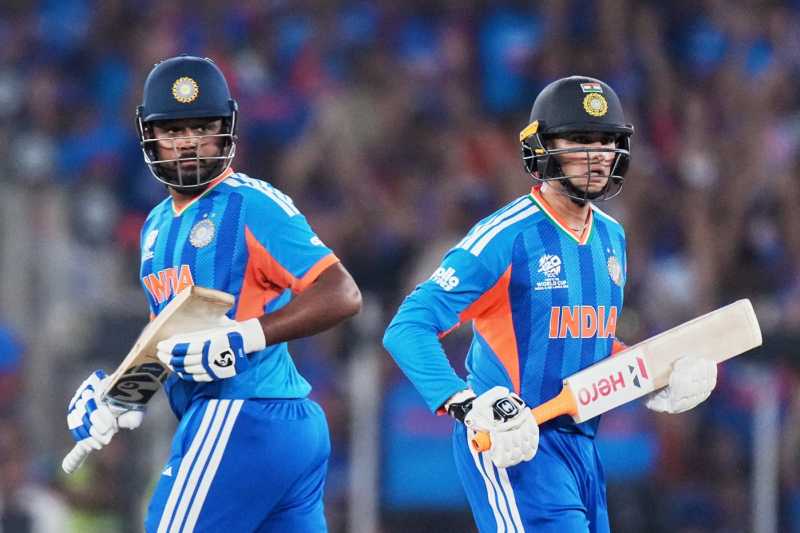
Another development concerns Nitish Kumar Reddy. He will remain part of India’s ODI squad for the opening match against New Zealand on November 4 before joining India A for the final four-day match against New Zealand A. This arrangement is intended to provide match practice ahead of the upcoming Test series.
Such decisions demonstrate the importance of planning across a long international tour. Teams must consider not only immediate results but also player fitness and preparation for upcoming formats.
Test Series: The Ultimate Examination of Technique
The two-match Test series will be the final stage of the tour, beginning on November 19 in Wellington. The second Test is scheduled to start on November 27 at Hagley Oval in Christchurch. These matches will provide a very different cricketing experience compared with the faster white-ball contests.
Test cricket demands concentration over extended periods. Batters must be comfortable defending good deliveries, judging which balls to leave and choosing the right opportunities to score. A player who performs well in T20 cricket may need to make significant adjustments when facing a new-ball attack in a Test match.
New Zealand’s conditions can make batting particularly challenging when the ball moves through the air or off the pitch. Indian batters will need to remain patient and avoid unnecessary risks during difficult sessions. Building partnerships and protecting wickets can be just as important as scoring quickly.
Bowling plans will also be different. Fast bowlers may operate in longer spells, looking to create pressure through accuracy and consistent movement. Spinners could become important as the match progresses, depending on the pitch and weather conditions. Captains must make careful field-setting decisions and understand when to attack or defend.
The Test series is also part of the wider World Test Championship cycle, adding further importance to the results. Both teams will want to collect valuable points and establish consistency in the longer format.
Key Players to Watch in the Tour
Individual performances often determine the direction of international cricket matches. The 2026 tour features several Indian and New Zealand players who can influence results through batting, bowling and fielding.
Abhishek Sharma has already attracted attention through his aggressive approach in the T20I series. His century in the third match demonstrated his ability to put pressure on bowlers from the beginning of an innings. His performances will remain important as India looks to maintain its attacking approach.
Sanju Samson also made a significant contribution in the opening match. His ability to score quickly while keeping the innings under control makes him an important batting option. Tilak Varma’s performance in the second T20I demonstrated his value in the middle order, particularly when a chase requires both stability and acceleration.
New Zealand has its own group of important performers. Glenn Phillips has provided valuable runs during the opening matches, while Daryl Mitchell has contributed with the bat. Mitchell Santner has also been influential with his left-arm spin, taking seven wickets in the first three T20Is.
Some of the players attracting attention during the tour include:
- Abhishek Sharma: Aggressive opening batter with the ability to score quickly.
- Sanju Samson: Wicketkeeper-batter who can contribute with attacking innings.
- Glenn Phillips: Powerful New Zealand batter capable of changing match situations.
- Mitchell Santner: Experienced all-rounder offering valuable bowling and batting options.
These players represent different strengths, but cricket remains a team sport. Successful performances will depend on partnerships, fielding standards and the ability to execute plans under pressure.
Major Cricket Venues and Their Playing Conditions
The tour includes several well-known cricket grounds across New Zealand. Each venue has its own characteristics, and understanding these differences can help explain why teams sometimes change their combinations between matches.
Hagley Oval in Christchurch is hosting the opening two T20Is and the second Test. The ground can provide a balanced contest, although conditions may offer assistance to seam bowlers. Batters who maintain good technique and choose their shots carefully can also build substantial innings.
Eden Park in Auckland is another important venue. Its relatively compact boundaries can make T20 cricket particularly entertaining because batters have opportunities to clear the ropes. However, the dimensions do not guarantee high scores, as accurate bowling and intelligent field placements can still create pressure.
Wellington’s Basin Reserve is scheduled to host the first Test, while Hnry Stadium will stage limited-overs matches. Hamilton’s Seddon Park will host the final T20I and third ODI. Bay Oval in Mount Maunganui will be the venue for the final two ODI fixtures.
Playing across different grounds requires teams to prepare carefully. Pitch reports, weather forecasts and ground dimensions can influence the selection of fast bowlers, spinners and all-rounders. Teams that adapt quickly may find it easier to manage different match situations.
Why This Tour Is Important for Indian Cricket
The New Zealand tour provides Indian cricket with several opportunities beyond the immediate results. International assignments outside India help players develop the experience required to perform in unfamiliar conditions. Such experience can become valuable during future overseas tours and major international tournaments.
The T20I series allows India to assess its aggressive batting options and bowling combinations. Young players can demonstrate their abilities against an established international team, while experienced cricketers can provide guidance during difficult match situations.
The ODI series has its own significance because it requires a balance between attacking and controlled cricket. Players must learn how to manage long innings, build partnerships and maintain bowling discipline. The upcoming Test matches will then provide another examination of technical ability and endurance.
The tour also highlights the importance of managing player fitness. Injuries can affect team combinations, particularly when several formats are scheduled within a short period. Careful workload management can help players remain available for important matches while reducing unnecessary physical pressure.
What Cricket Fans Should Know About Following the Matches
Supporters following the tour should keep track of the format, venue and match timings because the schedule changes considerably between T20Is, ODIs and Tests. T20 matches are scheduled for 12:30 PM IST, while ODI fixtures begin at 7:30 AM IST. The Test matches are scheduled to start at 3:30 AM IST.
Match conditions should also be considered when evaluating performances. A high score in one venue does not necessarily indicate that the same total will be easy to achieve elsewhere. Ground dimensions, pitch preparation and weather can influence scoring patterns.
Another important point is that the results of the T20I series will not determine the outcome of the ODI or Test contests. Each format has different demands, and teams often make changes to their playing combinations when moving between them.
Supporters should also follow official squad announcements and injury updates. Such information can explain changes in team selection and help readers understand why certain players are included or unavailable for particular matches.
Conclusion
The India vs New Zealand 2026 tour is an important international cricket assignment featuring twelve matches across T20Is, ODIs and Test cricket. India has made an impressive start by winning its first three T20I matches, with outstanding contributions from Abhishek Sharma, Sanju Samson and Tilak Varma. New Zealand has also produced notable individual performances through players such as Glenn Phillips, Daryl Mitchell and Mitchell Santner.
The remaining T20I fixtures will provide New Zealand with an opportunity to respond, while the five-match ODI series will introduce a new tactical challenge for both teams. The two-match Test series will then place greater emphasis on patience, technique and bowling consistency. Different grounds and playing conditions will make adaptability an important factor throughout the tour.