

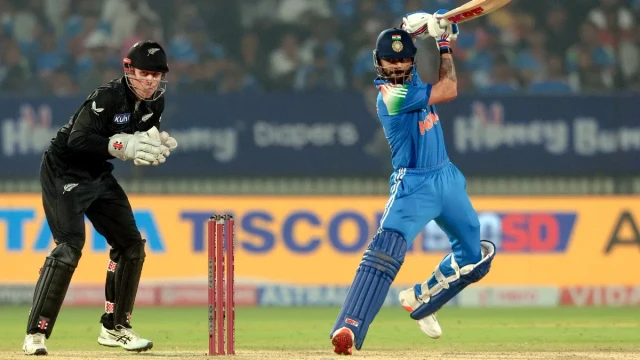


Introduction
International cricket always creates excitement when two competitive teams meet, and the contest between India and New Zealand is no exception. Both nations have developed strong cricketing traditions, producing talented batters, disciplined bowlers and memorable performances across different formats. Their encounters regularly attract attention from cricket fans because each team brings a different playing style, tactical approach and level of experience to the field.
The 2026 tour of New Zealand is particularly interesting because it features all three international formats: Twenty20 Internationals, One Day Internationals and Test cricket. The tour began on October 22 and is scheduled to continue until December 1, 2026. It includes five T20Is, five ODIs and two Test matches, giving supporters an extended opportunity to follow the teams throughout the season.
As of November 2, 2026, the five-match T20I series has concluded, with India winning the series 3–2. Attention is now shifting towards the upcoming ODI fixtures, followed by the two-match Test series. This article explores the latest results, remaining schedule, important players, venues, match conditions and major talking points surrounding this international cricket tour.
India vs New Zealand 2026 Series Overview
The ongoing tour represents an important international assignment for both teams. Playing across different formats requires players to adjust their techniques, fitness levels and strategies. While T20 cricket demands quick decision-making and aggressive batting, ODI matches require a balance between scoring speed and innings management. Test cricket, meanwhile, places greater importance on patience, concentration and technical ability.
The series is being played at several well-known New Zealand cricket grounds, including Hagley Oval, Eden Park, Seddon Park, Basin Reserve and Bay Oval. These venues offer different playing conditions, making adaptability an important part of the competition. Indian players must adjust to New Zealand’s conditions, while the home team will look to use its familiarity with local pitches and weather.
The T20I results have already demonstrated how competitive the two sides can be. India won the first three matches, but New Zealand responded by winning the final two games. This created an entertaining finish to the opening part of the tour and provided both teams with valuable preparation before the ODI leg.
Complete T20I Series Results 2026
The five-match T20I series started in Christchurch, where India established an early advantage. The visitors won the opening two matches by four wickets each, demonstrating their ability to handle challenging run chases. In the third match at Wellington, India continued its winning run with another successful chase, securing victory by six wickets.
New Zealand responded strongly in the fourth match at Auckland. A powerful batting performance helped the hosts post 259 runs for seven wickets, after which their bowlers restricted India to 172 for nine. New Zealand won by 87 runs, bringing the series back into contention.
The fifth T20I took place at Seddon Park in Hamilton on November 1. India scored 191 for eight, but New Zealand successfully chased the target, reaching 195 for three in 18 overs. The hosts won by seven wickets, although India’s three earlier victories meant the visitors finished the series as 3–2 winners.
| Match | Venue | Result |
|---|---|---|
| 1st T20I – October 22 | Hagley Oval, Christchurch | India won by 4 wickets |
| 2nd T20I – October 24 | Hagley Oval, Christchurch | India won by 4 wickets |
| 3rd T20I – October 27 | Wellington | India won by 6 wickets |
| 4th T20I – October 30 | Eden Park, Auckland | New Zealand won by 87 runs |
| 5th T20I – November 1 | Seddon Park, Hamilton | New Zealand won by 7 wickets |
What Made the T20I Series Interesting?
The T20I competition provided several important lessons about modern cricket. India’s successful opening matches highlighted its ability to chase targets under pressure. The team showed that partnerships, calculated aggression and maintaining wickets can make a significant difference during run chases.
New Zealand’s comeback also demonstrated the importance of adjusting strategies during a series. Rather than allowing the early defeats to affect their approach, the hosts produced a dominant performance in Auckland before completing another successful chase in Hamilton. Their ability to recover made the final two matches particularly engaging.
Another important feature was the changing nature of batting conditions across different grounds. High-scoring performances at Eden Park and Seddon Park demonstrated how quickly a T20 match can change when batters find their rhythm. These experiences will be useful when both sides prepare for the longer ODI format.
Upcoming ODI Schedule: India vs New Zealand
After completing the T20I competition, both teams will move towards the five-match ODI series, beginning on November 4, 2026. This part of the tour is especially important because ODI cricket demands a different approach from the shorter format. Players need to manage their innings carefully, build partnerships and maintain bowling discipline throughout 50 overs.
The upcoming matches will take place in Auckland, Wellington, Hamilton and Mount Maunganui. The schedule provides opportunities for players to experience different conditions while allowing team management to assess combinations and individual performances ahead of future international assignments.
According to the published schedule, all five ODI matches are expected to begin at 7:30 AM Indian Standard Time.
| ODI Match | Date | Venue | Time (IST) |
|---|---|---|---|
| 1st ODI | November 4 | Eden Park, Auckland | 7:30 AM |
| 2nd ODI | November 7 | Wellington | 7:30 AM |
| 3rd ODI | November 10 | Seddon Park, Hamilton | 7:30 AM |
| 4th ODI | November 13 | Bay Oval, Mount Maunganui | 7:30 AM |
| 5th ODI | November 15 | Bay Oval, Mount Maunganui | 7:30 AM |
These fixtures provide a clear picture of the remaining ODI competition. Supporters should check the latest official announcements for any changes to match timings, venues or playing conditions.
Why the ODI Series Matters
The ODI format offers a different challenge for both teams. Unlike T20 cricket, where batters frequently attempt aggressive shots from the beginning, ODI cricket allows more time to build an innings. Teams must decide when to attack, when to consolidate and how to preserve wickets for the final overs.
For India, the upcoming matches provide an opportunity to evaluate batting combinations and bowling options. Experienced players can provide stability, while younger cricketers may get opportunities to demonstrate their skills at the international level. Consistency throughout the five matches will be important.
New Zealand will benefit from playing at home. Familiarity with the grounds, local conditions and weather patterns can influence team selection and tactical decisions. The hosts will also look to carry the confidence gained from their final two T20I victories into the ODI competition.
Test Series: A Different Challenge for Both Teams
Following the ODI matches, the tour will conclude with two Test matches between the countries. The first Test is scheduled for November 19–23 at Basin Reserve in Wellington, while the second Test will take place from November 27 to December 1 at Hagley Oval in Christchurch. Both matches are part of the 2025–27 World Test Championship cycle.
Test cricket requires a completely different mindset compared with limited-overs formats. Batters must concentrate for long periods, bowlers need to maintain consistent lines and lengths, and fielding teams must remain patient. A single session can change the direction of a match, making tactical decisions especially important.
For India, adapting to New Zealand’s conditions will be a major consideration. Seam movement, swing and changing weather conditions can influence how batters approach their innings. Indian bowlers will also need to understand how to use local conditions effectively. New Zealand, meanwhile, will aim to make the most of its home advantage and build pressure through disciplined bowling.
The two Tests could also influence the teams’ positions and progress in the World Test Championship. As a result, the matches carry importance beyond the immediate tour.
Key Indian Players to Watch
India has a combination of experienced international cricketers and emerging talent across the different formats. Player selection and individual responsibilities vary depending on the match format, but several names are likely to attract attention throughout the remaining fixtures.
Shubman Gill
Shubman Gill is an important part of India’s batting plans and is scheduled to lead the team in the first three ODIs and the Test matches. His ability to build an innings, find gaps and maintain control against different bowling styles makes him an important player in longer formats.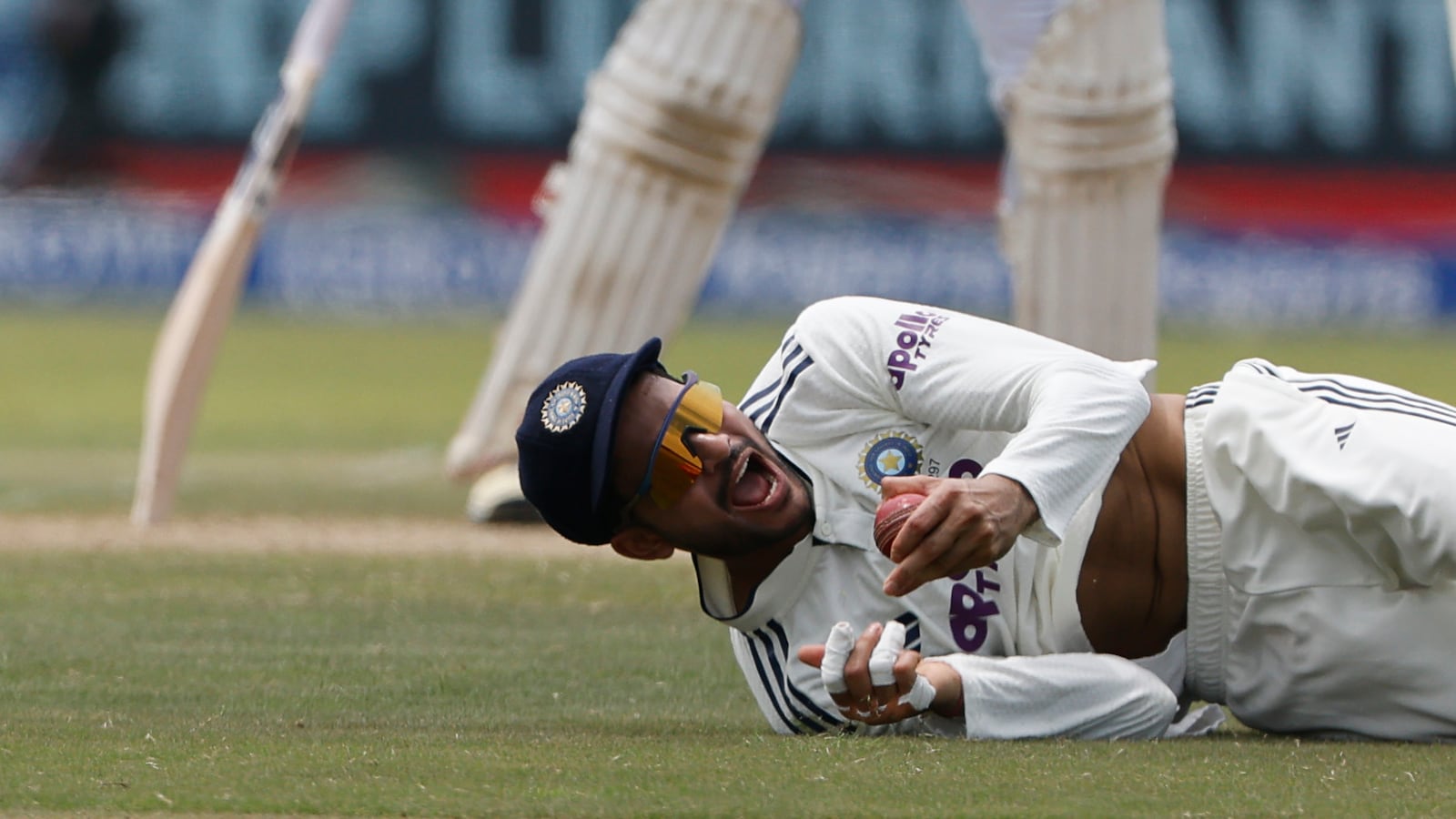
His leadership responsibilities will also be worth following. Captaining an international side in New Zealand requires an understanding of bowling changes, field placements and match situations. His decisions could have an important influence on the team’s approach.
Rohit Sharma
Rohit Sharma brings considerable international experience and an established reputation as an attacking opening batter. His ability to find boundaries during the early overs can provide India with a strong foundation in ODI cricket.
However, success in New Zealand will require careful shot selection. Conditions can challenge even experienced batters, particularly when the ball moves through the air or off the pitch. His experience will therefore be valuable during the upcoming matches.
Virat Kohli
Virat Kohli remains an important name in India’s batting lineup. His ability to build partnerships, rotate the strike and accelerate when required makes him relevant in different match situations.
ODI cricket also provides opportunities for experienced batters to control the middle overs. Kohli’s approach against spin and pace bowling will be one of the interesting aspects to follow during the series.
Jasprit Bumrah
Jasprit Bumrah is among India’s important fast-bowling options for the Test competition. His variations, accuracy and ability to generate movement make him a significant bowling resource.
On New Zealand pitches, maintaining discipline while using available movement will be essential. His ability to bowl effective spells and create pressure could become an important factor in the Test matches.
Important New Zealand Players to Follow
New Zealand has developed a reputation for producing competitive international teams with a strong understanding of home conditions. Its players are generally familiar with the pace, bounce and movement available at local grounds, which can become useful advantages during a long international tour.
Experienced batters and all-rounders can help the hosts establish partnerships and maintain balance across formats. The team’s recent T20I comeback also demonstrated that it can respond effectively after facing difficult situations.
New Zealand’s bowling department will be particularly important during the ODI and Test matches. Fast bowlers who can consistently target the right areas may create difficulties for India’s batting lineup. The team’s ability to use seam movement, control scoring opportunities and take wickets at important moments will influence its overall performance.
Home conditions can also encourage New Zealand to make strategic changes depending on the venue. A pitch offering extra pace may require a different bowling combination from one that provides more assistance to spin. This flexibility will be an important part of the team’s planning.
How New Zealand Conditions Can Influence Matches
One of the most interesting aspects of international cricket in New Zealand is the variation in playing conditions. Different grounds can offer different amounts of bounce, movement and assistance to bowlers. Weather conditions can also change during a match, making preparation and adaptability essential.
Fast bowlers may receive assistance from pitches that offer movement, especially during the early stages of an innings. Batters must therefore focus on watching the ball carefully and avoiding unnecessary risks. Playing close to the body, leaving deliveries outside the off stump in Test cricket and selecting appropriate attacking shots can make a difference.
Ground dimensions also influence batting strategies. Eden Park, for example, is known for its distinctive playing environment, while other venues provide different boundary configurations and pitch characteristics. Teams need to study these factors before deciding on their batting order and bowling plans.
For Indian players, adjusting quickly to local conditions will be important. New Zealand’s players already understand the characteristics of their home grounds, but India has enough international experience to prepare through training sessions, video analysis and tactical discussions.
Squads and Team Combinations
Team combinations are another major talking point during a multi-format international tour. India has announced different squads and leadership arrangements for the T20I, ODI and Test competitions. This allows team management to select players according to the specific requirements of each format.
Shreyas Iyer captained India during the T20I series, while Shubman Gill is leading the team in the first three ODIs and the Test matches. Shreyas Iyer is scheduled to take over the ODI captaincy for the final two games. These arrangements provide opportunities to assess different leadership combinations.
A balanced ODI team generally needs reliable opening batters, middle-order stability, finishing options, quality fast bowlers and effective spin resources. The Test side requires additional attention to batting depth, bowling endurance and the ability to take 20 wickets.
Some important selection considerations include:
-
Batting depth: Teams need players who can build partnerships and score runs during different phases.
-
Bowling balance: A combination of pace and spin provides tactical flexibility.
-
All-rounders: Players who contribute with both bat and ball can improve team balance.
-
Fielding standards: Catching, ground fielding and accurate throwing can influence close matches.
These factors will help determine how both teams approach the remaining fixtures.
Importance of Head-to-Head Cricket Records
Historical performances between India and New Zealand provide useful context for understanding their rivalry. Both countries have experienced victories and defeats across Test matches, ODIs and T20Is. Their encounters have featured impressive batting performances, important bowling spells and closely contested finishes.
India has traditionally relied on its batting depth and spin resources, while New Zealand has often focused on disciplined fast bowling, effective fielding and tactical flexibility. However, these are general playing characteristics rather than fixed rules, as both teams continue to develop their strategies.
Head-to-head statistics can help supporters understand the history of the competition, but previous results do not determine future performances. Current player form, fitness, pitch conditions and match-day decisions are equally important when analysing an upcoming fixture.
Where Can Fans Follow Match Updates?
Cricket supporters following India vs New Zealand have several ways to stay informed throughout the international tour. Live scorecards provide information about runs, wickets, overs, partnerships and individual performances. Ball-by-ball commentary offers additional context about important deliveries and tactical changes.
Television coverage and official digital broadcasting services also allow fans to follow matches as they happen. The 2026 tour is listed for live streaming through SonyLIV, with television coverage through the Sony Sports Network in India.
For people who cannot watch an entire match, score summaries and post-match reports are useful alternatives. They provide details about leading performers, turning points and final results without requiring viewers to follow every over.
Fans should also pay attention to official team announcements, particularly before the ODI and Test matches. Playing XIs, injury updates, toss information and weather conditions can provide a better understanding of how each team intends to approach a particular game.
What Can Cricket Fans Expect From the Remaining Tour?
The remaining tour offers several interesting possibilities. The ODI series will test how effectively India and New Zealand can adapt from the faster T20 format to a longer limited-overs competition. Building partnerships, controlling the middle overs and finishing innings strongly will become more important.
The Test series will introduce another level of competition. Longer spells, changing pitch conditions and strategic batting decisions will challenge both teams. Players who can remain consistent over several days may have a considerable influence on the outcome.
There is also an opportunity for emerging players to establish themselves. International tours provide valuable experience because players face unfamiliar conditions and different tactical approaches. Strong performances can improve confidence and create opportunities in future competitions.
For supporters, the remaining India vs New Zealand fixtures offer a complete international cricket experience. With five ODIs and two Tests still scheduled as of November 2, 2026, there is plenty of cricket left to follow.
Conclusion
The 2026 international tour has already delivered an entertaining T20I competition, with India securing the series 3–2 after winning the opening three matches and New Zealand responding with victories in the final two games. The results highlighted the competitive nature of both teams and demonstrated how quickly momentum can change in international cricket.
The upcoming ODI series, beginning November 4, will provide another opportunity for both sides to demonstrate their batting strength, bowling depth and tactical preparation. The two Test matches scheduled for November will then bring the tour to its conclusion and add an important World Test Championship dimension to the competition.