

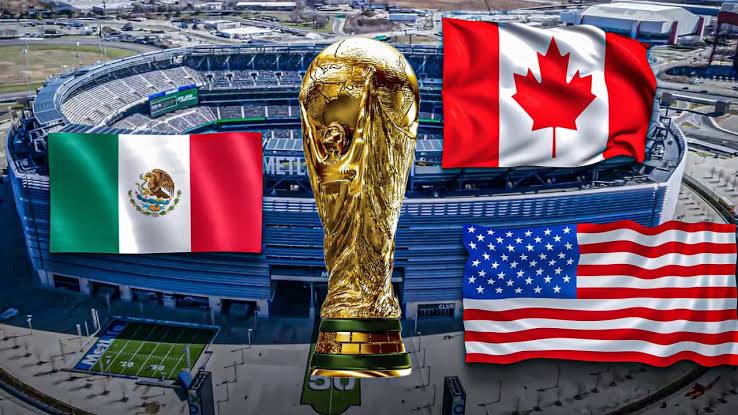


The FIFA World Cup 2026 entered football history as the biggest edition of the men’s global tournament to date. Hosted jointly by Canada, Mexico and the United States, the competition brought together 48 national teams for the first time, expanding the traditional 32-team format and creating a longer route toward the trophy. With 104 matches played across 16 host cities, the tournament offered supporters an enormous range of footballing experiences, from passionate group-stage encounters to high-pressure knockout matches.
The tournament also delivered a memorable conclusion. Spain lifted the trophy after defeating Argentina 1–0 following extra time in the final at New York New Jersey Stadium on 19 July 2026. Ferran Torres scored the decisive goal in the 106th minute, giving Spain its second men’s World Cup title. The result also provided a dramatic ending to a competition that had introduced a substantially different tournament structure while maintaining the global appeal that makes the World Cup unique.
For supporters looking back at the FIFA World Cup 2026, the event was about much more than the final result. It represented a major change in tournament scale, offered opportunities for more nations to compete on football’s biggest stage and demonstrated how a World Cup can connect several countries, cultures and football communities within a single event.
A New Era With 48 Teams
One of the most important features of the FIFA World Cup 2026 was the expansion to 48 participating nations. Instead of the previous 32-team arrangement, the tournament used 12 groups containing four teams each. The top two teams from every group progressed, along with the eight best third-placed teams, creating a new Round of 32 before the traditional knockout stages continued.
This change significantly altered the rhythm of the competition. More countries received the opportunity to experience World Cup football, while established teams faced additional tactical and physical challenges because the path to the championship involved more matches. A team that reached the final had to complete eight games rather than the seven required under the previous format.
The expanded structure also created more opportunities for emerging football nations to compete against established powers. For fans, this meant a wider variety of matchups and more meaningful games involving countries that previously had fewer opportunities to reach the later stages of a World Cup.
How the Tournament Structure Worked
The group stage remained an important foundation because teams needed to establish consistency quickly. However, the addition of the Round of 32 meant that qualification from the group did not immediately place a team among the final 16. Every knockout game therefore carried its own pressure, and tactical preparation became increasingly important as teams moved deeper into the competition.
The 104-match schedule also made squad management a major consideration. Coaches had to balance experienced players with younger options, particularly during periods when matches arrived in quick succession. Recovery, rotation and tactical flexibility became increasingly important for teams hoping to survive the entire tournament.
Three Host Nations and 16 Host Cities
The FIFA World Cup 2026 was unique because it was staged across three countries. Canada, Mexico and the United States collectively hosted matches, creating a tournament environment that stretched across a vast geographical area. Sixteen host cities were involved, providing supporters with different stadium atmospheres, local cultures and football traditions.

Mexico City hosted the opening match, continuing its remarkable relationship with World Cup history. Mexico City Stadium became the first stadium to host World Cup opening matches on three occasions. Canada and the United States also hosted their respective national teams during the group stage, giving local supporters the chance to watch their countries compete on home soil.
The geographical scale of the competition presented both opportunities and challenges. Organizers had to consider travel, scheduling, recovery and regional logistics, while teams and fans had to navigate a tournament spread across North America. The schedule was designed with regional groupings and rest considerations intended to reduce unnecessary travel and provide teams with adequate recovery time.
| Tournament Feature | FIFA World Cup 2026 |
|---|---|
| Host countries | Canada, Mexico and United States |
| Participating teams | 48 |
| Total matches | 104 |
| Host cities | 16 |
| Opening match | Mexico vs South Africa |
| Final | Spain vs Argentina |
| Champion | Spain |
| Final score | Spain 1–0 Argentina after extra time |
Spain’s Championship Journey
The defining moment of the FIFA World Cup 2026 came in the final, where Spain faced Argentina in a contest between two technically gifted football nations. Argentina entered the match as the reigning world champion after winning the 2022 tournament, while Spain had the opportunity to add another title to its history following its previous triumph in 2010.
The final remained goalless through 90 minutes, creating a tense atmosphere as both teams continued searching for a breakthrough. Argentina’s defensive organization and goalkeeping kept the contest alive, while Spain continued to control large portions of the match through possession and movement.
The breakthrough eventually arrived in the 106th minute. Ferran Torres scored after a move involving Nico Williams and Pedro Porro, giving Spain the lead during extra time. Argentina could not find an equalizer before the final whistle, allowing Spain to claim its second World Cup championship.
The victory also gave Spain a distinctive place in football history. The team became the first nation to simultaneously hold the men’s FIFA World Cup and the FIFA Women’s World Cup titles. That achievement added another dimension to a tournament victory that was already significant because of the strength of the opponent and the dramatic extra-time finish.
Argentina’s Run and the End of a Championship Defense
Argentina’s appearance in the final gave the tournament an especially compelling storyline. The defending champions successfully navigated the expanded competition and eventually reached the championship match, where they faced Spain.
Although Argentina did not retain the trophy, reaching the final demonstrated the country’s continued competitiveness at international level. The team had to navigate a larger tournament field and multiple knockout rounds before arriving at the final, making its journey one of the central stories of the competition.
The final itself was ultimately decided by a single goal. That narrow margin reflected how closely matched the teams could be despite Spain controlling important phases of the contest. Argentina’s inability to respond after Torres’ extra-time goal meant the defending champions finished the tournament as runners-up.
England and France Produce a Dramatic Bronze Final
Another memorable match came in the bronze final between England and France. Rather than producing a cautious encounter, the game developed into one of the highest-scoring matches of the tournament.
England defeated France 6–4, with Bukayo Saka scoring a hat-trick. The match changed dramatically after halftime, as France mounted a strong comeback and threatened to overturn England’s advantage. England eventually held on, with Jude Bellingham scoring late to settle the contest.
The bronze final demonstrated the entertainment value that can emerge from a match without the pressure of a championship final. Both teams attacked aggressively, and the ten-goal scoreline created a spectacular ending to the tournament’s third-place contest.
What Made the Expanded World Cup Different?
The larger tournament changed the experience for teams, supporters and broadcasters. More matches meant more opportunities for national teams to create memorable moments, while supporters were introduced to opponents they might not regularly encounter in major international competitions.
For players, however, the expanded schedule also demanded careful physical management. A successful campaign required a team to remain competitive through the group stage, Round of 32, Round of 16, quarter-final, semi-final and final. The additional knockout stage made the road to the trophy longer and placed greater emphasis on squad depth.
Some of the most important changes included:
- A 48-team field replaced the previous 32-team tournament.
- The competition expanded to 104 matches.
- A Round of 32 was added before the Round of 16.
- Matches were distributed across 16 cities in three countries.
These changes created a broader tournament without removing the importance of the knockout stages. Once the group phase ended, every match became a direct test of a team’s ability to handle pressure.
The Importance of North America’s Football Growth
The FIFA World Cup 2026 also represented an important moment for football development in North America. Canada, Mexico and the United States already had different football cultures, but hosting the world’s biggest international tournament created an opportunity to expose the sport to an even larger audience.
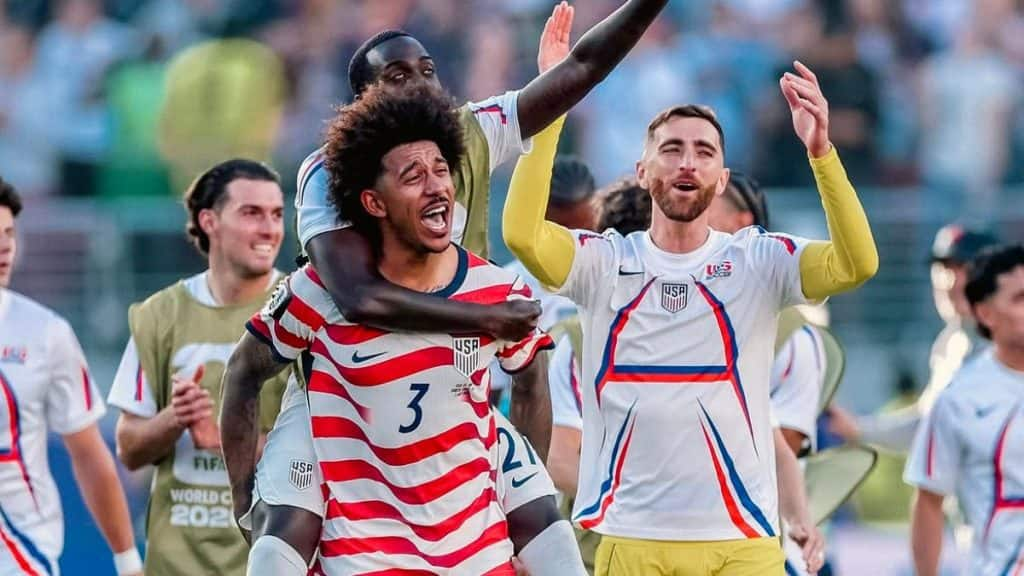
Mexico brought a particularly deep World Cup tradition to the event, while the United States continued its long-term growth in men’s football. Canada also entered the tournament with increasing international experience. Hosting matches across these markets provided an opportunity for supporters to experience elite international football while encouraging broader interest in the sport.
The tournament’s influence can extend beyond the matches themselves. Major international events often encourage investment in stadiums, training facilities, youth programs, media coverage and grassroots participation. For North American football, the long-term impact may therefore be measured not only by attendance and television audiences but also by how many young players become interested in the sport after experiencing the tournament.
Memorable Players and Individual Performances
World Cups are remembered through individual performances as much as team achievements. While the trophy ultimately belongs to the winning nation, individual players often become associated with the defining moments of the tournament.
Ferran Torres will naturally be remembered for scoring the decisive goal in the final. His 106th-minute finish transformed a tense goalless final into a championship victory for Spain. Bukayo Saka also produced one of the tournament’s most striking individual performances by scoring three times in England’s bronze-final victory over France.
The competition also highlighted the importance of experienced players and emerging stars. With 48 teams involved, there was greater space for different footballing styles and individual talents to receive international attention. Some players arrived with established reputations, while others used the tournament as an opportunity to introduce themselves to a worldwide audience.
Why the 2026 Tournament Will Be Remembered
The FIFA World Cup 2026 will be remembered for several reasons beyond Spain’s championship. It was the first 48-team World Cup, the first edition staged across three countries and the first tournament to feature 104 matches. These structural changes alone made the event different from every previous edition.
The final added another layer to its historical significance. Spain defeated Argentina in extra time, ending the defending champion’s attempt to retain the trophy. Meanwhile, England’s extraordinary 6–4 victory over France created one of the tournament’s most entertaining matches.
The event also demonstrated the scale of modern international football. Thousands of supporters traveled between cities, while millions more followed matches through television, digital platforms and social media. With games distributed across North America, the tournament became a massive sporting and cultural event rather than simply a series of football matches.
The Lasting Legacy of FIFA World Cup 2026
The legacy of the FIFA World Cup 2026 will likely be discussed for years because the competition introduced a new model for the world’s most prestigious football tournament. The expansion to 48 teams changes how qualification, scheduling and knockout progression work, and future editions will provide further evidence of how successful the format becomes over time.
For supporters, the greatest legacy may simply be the memories created during the competition. Spain’s extra-time triumph, Argentina’s run to the final, England’s high-scoring bronze-final victory and the many matches involving nations from different footballing backgrounds all contributed to a tournament with a distinctive identity.
From a broader perspective, the event demonstrated how football can bring together countries with different languages, cultures and sporting traditions. Canada, Mexico and the United States provided a huge geographical stage, while the 48 participating nations represented an even wider global football community.
Conclusion
The FIFA World Cup 2026 was a landmark edition of international football. Its 48-team format, 104 matches and three-country hosting arrangement transformed the scale of the competition while preserving the drama that makes the World Cup such a powerful sporting event. Spain ultimately claimed the trophy after defeating Argentina 1–0 in extra time, with Ferran Torres providing the decisive moment. Yet the tournament’s significance goes beyond the final score. It introduced a new competitive structure, created opportunities for more nations and brought football to audiences across an enormous North American stage.