



Introduction
Indian domestic cricket has always played an important role in developing talented players and preparing them for international competitions. Among the country’s major domestic tournaments, the Vijay Hazare Trophy holds a special position because it provides a competitive platform for state teams to demonstrate their skills in the 50-over format. Named after legendary Indian cricketer Vijay Hazare, the competition has developed into one of the most important List A tournaments in the Indian cricket calendar. Over the years, it has introduced several outstanding players who have gone on to represent India at the international level.
Understanding Vijay Hazare Trophy stats is useful for cricket enthusiasts who want to explore the tournament beyond match results. Statistics reveal how individual players perform under pressure, which teams maintain consistent performances, and how batting and bowling standards have changed over different seasons. From remarkable individual centuries to impressive bowling figures, the competition has produced numerous memorable performances. Its importance has increased further as domestic performances have become an essential part of player selection and evaluation in Indian cricket.
The tournament is also an opportunity to observe emerging cricketers competing alongside experienced domestic and international players. Young batters can demonstrate their ability to build long innings, while bowlers can showcase their control, variations and consistency across 50 overs. Looking at the competition’s records and performances helps readers understand why it remains an important part of India’s cricketing structure.
Understanding the Vijay Hazare Trophy and Its Format
The Vijay Hazare Trophy is India’s premier domestic List A cricket competition, organised by the Board of Control for Cricket in India (BCCI). It follows the traditional 50-over format, in which each team gets one innings of up to 50 overs. The tournament generally features teams representing different Indian states and cricket associations. These teams compete through group-stage matches before the leading sides progress to the knockout rounds. The format allows players to demonstrate their abilities in conditions that closely resemble international one-day cricket.
One of the most interesting aspects of the competition is the balance between experienced performers and emerging talent. Established domestic players use the tournament to maintain their form, while younger cricketers get an opportunity to attract attention through consistent performances. A batter scoring hundreds across several matches or a bowler regularly taking important wickets can significantly strengthen their reputation. This makes statistical analysis valuable for understanding both individual achievements and the overall quality of domestic cricket.
Vijay Hazare Trophy Stats: Important Records and Categories
Cricket statistics help explain the performance of players and teams more clearly than match results alone. In this competition, batting records, bowling figures, strike rates, averages and team totals provide different perspectives on performance. A batter’s total runs may indicate consistency, while the number of centuries demonstrates the ability to convert good starts into major innings. Similarly, a bowler’s wicket tally becomes more meaningful when considered alongside economy rate and bowling average.
The most useful statistical categories include the highest individual score, most career runs, most centuries, most wickets, best bowling figures and highest team total. These records also help fans compare players from different generations. For example, a batter who regularly scores above 50 may be valuable in building an innings, whereas someone who converts those starts into hundreds can have a greater influence on the final result. Looking at multiple categories provides a more balanced understanding of a player’s contribution.
All-Time Batting Records in the Tournament
Batting has been one of the biggest attractions of this competition. Several players have established themselves through remarkable consistency, while others have produced extraordinary innings that remain memorable among domestic cricket followers. Maharashtra batter Ankit Bawne holds the leading position in the all-time run-scoring list, with 4,164 runs recorded in the tournament’s historical statistics up to the end of 2025. His achievement reflects his ability to perform consistently over multiple seasons. His 15 centuries and 17 half-centuries also demonstrate his contribution as a dependable middle-order batter.
Another major batting achievement belongs to Narayan Jagadeesan, who recorded an outstanding individual score of 277 runs for Tamil Nadu against Arunachal Pradesh in November 2022. The innings included 25 fours and 15 sixes, making it one of the most remarkable performances in List A cricket. Devdutt Padikkal has also established an impressive record for batting average, with a historical tournament average of 92.96 among players meeting the minimum-match qualification. Such performances demonstrate the importance of technique, concentration and attacking intent in the 50-over format.
Top Batting Records at a Glance
The following figures highlight some of the major historical achievements recorded in the tournament. They provide a useful overview of the players who have made a significant impact through their batting performances.
| Batting category | Player | Record |
|---|---|---|
| Most career runs | Ankit Bawne | 4,164 |
| Highest individual score | Narayan Jagadeesan | 277 |
| Most centuries | Ankit Bawne | 15 |
| Most half-centuries | Ankit Bawne | 17 |
| Highest batting average (minimum 10 matches) | Devdutt Padikkal | 92.96 |
| Highest batting strike rate | Rajagopal Sathish | 134.58 |
| Most runs in one season | Narayan Jagadeesan | 830 |
| Highest partnership | Sai Sudharsan and Narayan Jagadeesan | 416 |
Historical records reported through 31 December 2025. Career and qualification-based figures may change as further seasons are completed.
Bowling Records and Outstanding Performances
Bowling statistics are equally important when analysing the quality of a domestic 50-over competition. A successful bowling attack must combine accuracy, variation and the ability to take wickets at important moments. Unlike shorter formats, List A cricket gives bowlers more opportunities to build pressure through disciplined spells. Fast bowlers often use movement and changes of pace to challenge batters, while spinners attempt to control the middle overs and create opportunities for dismissals.
Siddarth Kaul has an outstanding historical record, having taken 155 wickets in the competition according to the records available through December 2025. Shahbaz Nadeem holds the remarkable record for the best individual bowling figures, taking eight wickets for just 10 runs. Such performances show how one exceptional bowling spell can change the direction of a match. Other important bowling indicators include economy rate, bowling average, strike rate and five-wicket hauls. These measurements help explain whether a bowler is simply economical or consistently capable of breaking partnerships.
Why Bowling Average and Economy Rate Matter
The bowling average represents the number of runs conceded per wicket taken. A lower average generally indicates that a bowler has been effective at dismissing opponents without allowing too many runs. Economy rate measures the runs conceded per over and helps evaluate how well a player controls scoring. Strike rate measures the number of deliveries required to take a wicket. When these three statistics are considered together, they provide a much clearer picture of a bowler’s performance than the total number of wickets alone.
For example, a bowler who takes four wickets while conceding 35 runs in a match has made a valuable contribution. However, another bowler who takes three wickets for only 15 runs may have delivered an equally influential performance by controlling the opposition’s scoring. This is why analysts examine multiple bowling indicators before judging a player’s overall effectiveness.
Vijay Hazare Trophy Stats for the 2025–26 Season
The 2025–26 season produced several impressive batting and bowling performances. Aman Mokhade of Vidarbha emerged as the leading run-scorer in the Elite competition, finishing with 814 runs from 10 matches at an average of 90.44. His strike rate of 109.26 demonstrated that he combined consistency with aggressive stroke play. Devdutt Padikkal followed him with 725 runs from nine matches at an average of 90.62. These numbers highlight the high standard of batting displayed during the season.
Harvik Desai finished with 581 runs, while Pukhraj Mann and Dhruv Jurel each recorded 558 runs. Jurel’s strike rate of 122.91 was particularly impressive, showing his ability to score quickly while maintaining a strong average. In the bowling department, Ankur Panwar led the Elite competition with 25 wickets. Zeeshan Ansari and Satyanarayana Raju followed with 21 wickets each. These performances demonstrate how individual players can influence their teams through either consistent run-scoring or regular breakthroughs.
Leading Performers of the 2025–26 Elite Season
Some of the notable statistical performances from the completed Elite competition are summarised below:
-
Aman Mokhade: 814 runs in 10 matches, including a highest score of 150 not out.
-
Devdutt Padikkal: 725 runs in nine matches, with a highest score of 147.
-
Harvik Desai: 581 runs in 10 matches, including three centuries.
-
Ankur Panwar: 25 wickets, finishing as the leading wicket-taker.
-
Zeeshan Ansari: 21 wickets, with an economy rate of 4.63.
These performances also highlight the importance of looking beyond the overall run and wicket totals. A player who scores heavily in fewer innings or takes wickets while maintaining a low economy rate can provide considerable value to a team.
Team Records and Memorable Achievements
Team performances form another important part of the tournament’s statistical history. Karnataka and Tamil Nadu have both won five national championships, making them among the most successful teams in the competition. Mumbai also has an impressive record in zonal championships, with eight titles. These achievements demonstrate the strength of established domestic cricket systems and their ability to produce competitive teams across different seasons.
One of the most extraordinary team batting performances came when Bihar scored 574 runs for six wickets against Arunachal Pradesh in December 2025. This innings established a new highest team total in men’s List A cricket. Another memorable record is Tamil Nadu’s 435-run victory margin against Arunachal Pradesh, demonstrating the possibility of exceptionally dominant performances in domestic cricket. These records show how the competition has evolved into an environment where teams are increasingly willing to play attacking cricket while maintaining tactical discipline.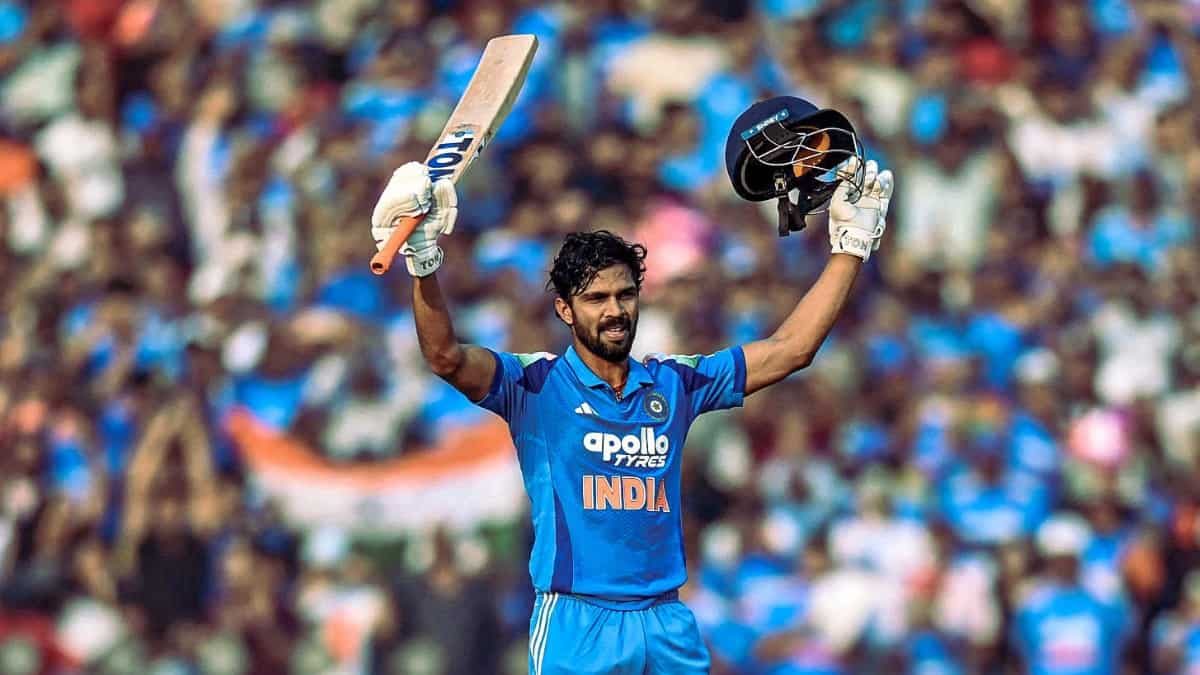
How Team Statistics Explain Performance
A team’s success cannot be measured only through its championship titles. Winning percentage, average first-innings score, batting partnerships, bowling economy and fielding performance also provide useful information. A team that regularly scores competitive totals and defends them successfully usually has a balanced combination of experienced batters, effective bowlers and dependable fielders.
Partnerships are particularly important in one-day cricket because they help teams recover after early wickets. A strong opening partnership can provide a foundation for a large total, while middle-order partnerships help maintain momentum during difficult periods. Similarly, teams with disciplined bowling attacks can restrict opponents even when individual bowlers do not take many wickets. Analysing these factors helps explain why some teams remain successful over several seasons.
Current Scenario and Upcoming Vijay Hazare Trophy Season
As of November 19, 2026, the 2026–27 Vijay Hazare Trophy season has not yet started. According to the BCCI’s domestic season schedule, the Elite competition is scheduled to begin on December 14, 2026, with league matches continuing until December 29. The knockout stage is scheduled between January 2 and January 8, 2027. The Plate competition is also scheduled to begin on December 14, with its final planned for December 27.
This upcoming season will provide another opportunity for established domestic performers and emerging cricketers to strengthen their records. Supporters will be particularly interested in whether leading batters can challenge existing run-scoring milestones and whether bowlers can produce performances that enter the historical record books. Until the new competition begins, the completed 2025–26 season provides the latest full-season Elite statistics for comparison.
The upcoming tournament will also be important for selectors evaluating players for higher levels of competition. Consistent performances across several matches can help a player demonstrate readiness for demanding cricket environments. For this reason, the latest Vijay Hazare Trophy stats will attract attention from cricket followers, analysts and selection committees.
How Young Players Benefit from the Competition
The tournament provides young cricketers with an important opportunity to develop their skills in a competitive environment. Performing consistently against experienced domestic players helps youngsters understand the demands of professional cricket. Batters learn how to manage different bowling styles, adapt to changing pitch conditions and build innings according to match situations. Bowlers gain experience in defending totals, maintaining accuracy and handling pressure during important overs.
Another major benefit is the opportunity to demonstrate consistency. Scoring one century can attract attention, but performing well across several matches provides stronger evidence of a player’s ability. Similarly, a bowler who regularly takes wickets against different opponents demonstrates adaptability and discipline. This is one reason why selectors and cricket experts pay attention to domestic performances when evaluating future prospects.
How to Analyse Cricket Statistics Correctly
Understanding cricket statistics requires more than simply checking which player scored the most runs or took the highest number of wickets. Every figure has a different meaning, and its importance depends on the match situation. A batter’s average helps explain consistency, while the strike rate indicates scoring speed. In the same way, a bowler’s economy rate shows how effectively they control the opposition’s scoring, while their bowling average measures the runs conceded for every wicket.
Here are some important factors to consider while comparing performances:
-
Consistency: Examine how regularly a player contributes across different matches.
-
Strike rate: Understand how quickly a batter scores runs or a bowler takes wickets.
-
Match conditions: Consider the pitch, weather and opposition before comparing performances.
-
Team contribution: Evaluate whether the player’s performance helped the team achieve a positive result.
For example, a batter scoring 70 runs in a difficult chase may deliver a more valuable performance than someone scoring 100 runs in an easy victory. Similarly, a bowler taking two important wickets during the final overs can have a major influence on the result. Considering match situations makes statistical comparisons more meaningful and prevents misleading conclusions.
Conclusion
The Vijay Hazare Trophy remains one of the most important platforms for one-day cricket in India. Its long history includes exceptional batting achievements, impressive bowling performances and memorable team records. From Ankit Bawne’s remarkable career run tally to Narayan Jagadeesan’s outstanding individual score, the competition has produced milestones that demonstrate the quality of Indian domestic cricket. The performances of players such as Aman Mokhade, Devdutt Padikkal and Ankur Panwar during the 2025–26 season further highlight the talent available across domestic teams.
Following Vijay Hazare Trophy stats allows cricket enthusiasts to understand the development of players, compare performances and recognise the achievements of successful teams. With the 2026–27 season scheduled to begin in December, fans will soon have another opportunity to follow emerging records and outstanding individual performances. Whether the focus is on batting consistency, bowling efficiency or team success, this competition continues to offer valuable insights into the strength and future of Indian cricket.