


Introduction
The Indian Premier League (IPL) is one of the most popular professional T20 cricket tournaments in the world. Every season, millions of cricket fans watch exciting matches featuring international stars and talented Indian players. The tournament is known for its fast-paced action, powerful batting, impressive bowling performances and thrilling finishes. However, people who are new to cricket often have questions about the match format, particularly the number of overs played by each team.
One of the most frequently asked questions among cricket followers is how many overs are played in an IPL match. The simple answer is that an IPL match normally follows the Twenty20 format, in which each team gets a maximum of 20 overs to bat. This means that both teams can play up to 40 overs combined during a complete match, excluding additional deliveries, interruptions and any Super Over.
Understanding the number of overs is only the beginning. Fans should also know how innings work, what happens during the powerplay, how strategic timeouts affect the match and what rules apply when rain interrupts play. These details make it easier to understand match situations and enjoy the tournament. This article explains the IPL format, its important rules and the different situations that can influence the number of overs in a game.
How Many Overs Are Played in an IPL Match?
An IPL match consists of two innings, with each team receiving a maximum of 20 overs to bat. The first team bats for up to 20 overs, and after the innings ends, the second team gets its opportunity to chase the target. Therefore, a complete IPL match normally contains 40 overs, with 20 overs allocated to each side.
However, 20 overs is the maximum limit rather than a guarantee that every innings will last that long. If a team loses all ten wickets before completing its allotted overs, its innings ends immediately. For example, if a team is dismissed after 16.3 overs, it cannot continue batting because all its available wickets have been lost. The opposition can still receive its full 20-over innings in an uninterrupted match.
According to the official IPL 2026 Match Playing Conditions, each innings is limited to a maximum of 20 overs unless the batting team is dismissed earlier. The regulations also explain how overs are adjusted when rain or other interruptions affect the scheduled playing time.
Understanding the Basic IPL Match Format
The IPL follows the T20 cricket format, which is designed to provide entertaining and competitive cricket within a relatively short period. Unlike Test cricket, where matches can continue for several days, or One Day International cricket, where each team normally receives 50 overs, T20 matches have a maximum of 20 overs per innings.
In a standard IPL game, the two participating teams compete in separate innings. The team winning the toss decides whether to bat or bowl first. If it chooses to bat, it tries to score as many runs as possible during its 20-over opportunity. The other team then attempts to reach the target within its own allotted overs. If the chasing team scores more runs than its opponent before its innings ends, it wins the match.
For example, imagine that Mumbai Indians score 185 runs in their first innings. Their opponents must score at least 186 runs to win. If they reach 186 before completing 20 overs, they secure victory. If they finish with 175 runs after 20 overs, the team that scored 185 wins. This straightforward structure makes T20 cricket exciting because every over can influence the final result.
How Are 20 Overs Divided During an IPL Match?
The 20-over innings is divided into different phases, and each phase presents unique challenges for batters and bowlers. The first six overs are known as the powerplay, while the remaining 14 overs are generally divided into the middle and death-over phases. Teams use different strategies depending on the match situation, pitch conditions, batting resources and opposition bowling attack.
The powerplay provides an opportunity for aggressive batting because fielding restrictions limit the number of players allowed outside the designated fielding circle. During the middle overs, teams generally try to maintain a healthy scoring rate while protecting wickets. The final overs are particularly important because batters often attempt to score quickly through boundaries and powerful shots. These phases explain why the same number of overs can produce very different match situations.
Powerplay: First Six Overs
The powerplay is the opening phase of an IPL innings and consists of the first six overs. During this period, fielding restrictions create opportunities for batters to attack the bowling side. Under the standard T20 powerplay arrangement, only two fielders are permitted outside the 30-yard circle, while the remaining fielders must stay within the restricted area.
Batting teams often use this phase to build an aggressive foundation. Opening batters may attempt to score boundaries early because fewer fielders are positioned near the boundary. However, attacking shots also involve risks, and losing several wickets during the powerplay can create pressure for the middle-order batters. Bowlers, meanwhile, try to take early wickets and prevent the batting team from establishing a strong scoring rate.
For instance, a team scoring 60 runs during its first six overs has made a positive start. However, if it loses four wickets during that period, the remaining batters may need to play more cautiously. Therefore, the powerplay is not only about scoring runs but also about maintaining the right balance between aggression and wicket preservation.
Middle Overs: Overs 7 to 15
The middle phase generally covers overs seven to fifteen. After the powerplay restrictions end, fielding teams can place more players outside the 30-yard circle, making it harder for batters to find boundaries. During this period, batting teams often focus on rotating the strike, taking singles and doubles, and choosing the right opportunities to attack.
Spinners frequently play an important role during the middle overs because they can use changes in pace, flight and turn to create difficulties for batters. However, fast bowlers also contribute through variations such as slower deliveries, cutters and accurate lines. Teams must carefully manage their batting resources because wickets lost during this stage can affect their ability to score quickly in the final overs.
A team that scores steadily during the middle phase can create a strong platform for the finish. For example, if the batting side reaches 125 runs after 15 overs with seven wickets remaining, its lower-order batters may attempt an aggressive finish. The exact strategy depends on the target, pitch conditions and the number of recognised batters still available.
Death Overs: Final Five Overs
The final five overs, from the sixteenth to the twentieth over, are commonly called the death overs. This phase is especially important because batters try to increase the scoring rate before their innings finishes. They may attempt big shots, target specific bowlers and use innovative batting techniques to find boundaries.
Death bowling is equally challenging. Bowlers often use yorkers, slower balls, wide deliveries within the permitted limits and changes of pace to restrict scoring opportunities. Even a small mistake can allow the batting team to score several runs in a single over. Experienced bowlers therefore focus on controlling their line and length while adapting to the batter’s movements.
Consider a team that has scored 140 runs after 15 overs. If it manages another 55 runs in the remaining five overs, its final total becomes 195. This example demonstrates how important the last phase can be in determining the result of an IPL match.
IPL Overs Distribution at a Glance
The following table explains the standard division of a 20-over innings and the main purpose of each phase.
| Match phase | Overs | Main objective |
|---|---|---|
| Powerplay | 1–6 | Take advantage of fielding restrictions |
| Middle overs | 7–15 | Maintain scoring and preserve wickets |
| Death overs | 16–20 | Increase the scoring rate |
| Total | 20 | Complete the allocated innings |
This division is a useful way to understand how teams plan their innings. Although the phases have different purposes, their boundaries do not mean that every team must follow the same strategy. A team chasing a very high target may attack during the middle overs, while a team defending a modest total may focus on taking wickets rather than allowing easy runs.
How Many Overs Can One Bowler Bowl in IPL?
Although each team receives 20 overs to bat, one bowler cannot bowl all 20 overs. T20 cricket has a specific limit on the number of overs that an individual bowler can deliver during an innings. In a normal 20-over IPL match, a bowler can bowl a maximum of four overs.
This rule encourages teams to use multiple bowling options rather than depending on a single player. Captains generally select a combination of fast bowlers, spinners and all-rounders to complete the 20-over quota. A team usually needs at least five bowlers to complete its innings because each bowler can deliver only four overs.
For example, if a team has five regular bowling options, each bowler can potentially deliver four overs. The captain may also distribute the overs differently depending on the match situation. One bowler might deliver three overs during the powerplay and another might be saved for the death overs. This flexibility allows captains to use their bowlers according to the strengths and weaknesses of the opposition.
What Happens When an IPL Match Has Fewer Than 20 Overs?
The four-over limit applies to a standard 20-over innings. When an innings is shortened because of rain or another interruption, the maximum number of overs available to each bowler is adjusted according to the revised innings length. This ensures that the bowling workload remains proportionate to the number of overs available.
For instance, if an innings is reduced to 15 overs, the bowling allocation is also adjusted under the applicable playing conditions. Captains must therefore plan their bowling combinations carefully rather than automatically expecting every bowler to deliver four overs.
What Are Strategic Timeouts in IPL Matches?
Strategic timeouts are another important feature of IPL matches. They provide teams with an opportunity to discuss tactics, review the match situation and make adjustments during an innings. These breaks are different from normal intervals because they are specifically designed for tactical discussions between players, coaches and support staff.
Under the IPL 2026 playing conditions, each innings has two strategic timeouts, and each timeout lasts two minutes and thirty seconds. The bowling team takes one timeout during the earlier part of the innings, while the batting team takes the other during the later part. The scheduled opportunities generally fall around the end of overs six to nine and thirteen to sixteen, subject to the official playing conditions.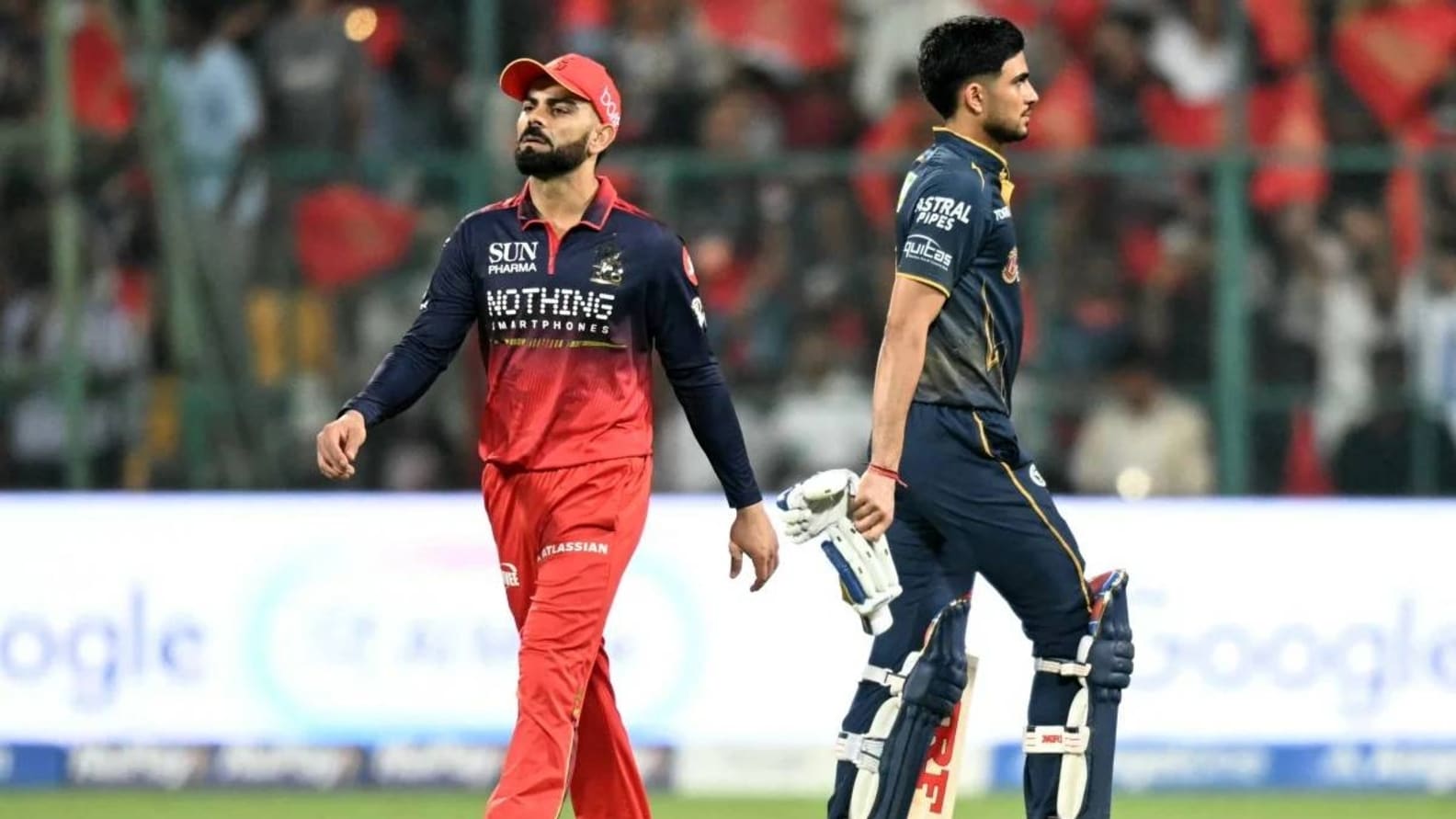
These breaks can influence match planning. A batting team may use a timeout to discuss its scoring approach, while a bowling team may consider changing its bowling combination or field placement. However, strategic timeouts do not add extra overs to the innings. A team still receives a maximum of 20 overs in a normal uninterrupted match.
What Happens When Rain Interrupts an IPL Match?
Rain is one of the biggest challenges in outdoor cricket. Since IPL matches are played in open stadiums, weather conditions can sometimes interrupt the game. When rain causes a delay, the match officials assess the remaining playing time and determine whether the original 20-over format can continue.
If sufficient time is available, the officials may try to complete the full match by adjusting the schedule. If there is not enough time, the number of overs may be reduced for both teams. The objective is to give both sides a fair opportunity to compete with a comparable number of overs whenever possible.
For example, a match originally scheduled for 20 overs per side might be reduced to 15 overs per side after a lengthy rain interruption. In that situation, both teams receive a maximum of 15 overs rather than the original 20. The target and other match calculations are adjusted according to the applicable Duckworth-Lewis-Stern (DLS) method.
Understanding the DLS Method
The Duckworth-Lewis-Stern method, commonly known as DLS, is used to calculate revised targets in limited-overs cricket when interruptions affect the match. It considers the resources available to a batting team, particularly the number of overs remaining and the wickets available.
Suppose the first team scores 150 runs in its allotted 15 overs after a rain-related reduction. If rain interrupts the second innings, the officials may revise the target according to the remaining overs and wickets. The chasing team then receives a new target that reflects the changed match conditions.
This system helps maintain fairness when both teams cannot play the originally scheduled number of overs. The revised target is not simply calculated by multiplying the first team’s run rate by the remaining overs. The DLS method uses a more detailed resource-based calculation.
Minimum Overs Required for a Rain-Affected IPL Match
A rain-affected match also has a minimum overs requirement for an official result. Under the 2026 IPL playing conditions, the team batting second must have the opportunity to face at least five overs, unless a result is achieved earlier. If the required minimum cannot be completed and no result is otherwise possible, the match may be declared a no-result.
This rule is important because a very short innings may not provide enough opportunity for a meaningful comparison between the teams. Officials therefore consider available playing time, interruptions and the minimum overs requirement before deciding whether a match can produce a result.
Can an IPL Match Have More Than 40 Overs?
A normal IPL match has a maximum of 40 scheduled overs across both teams, but certain situations can result in additional cricket being played. The most common example is a tied match that requires a Super Over to determine the winner.
A Super Over is a separate one-over contest between the two teams. Each side gets one over to score as many runs as possible, subject to the applicable rules. The team with the higher score in the Super Over wins. If the Super Over is also tied, further Super Overs can be played under the competition’s playing conditions until a winner is determined or the match cannot continue.
For example, imagine that both teams score 180 runs in their respective 20-over innings. Since neither team has scored more runs, the match is tied. A Super Over gives both sides another opportunity to compete, and the team scoring more runs in that additional contest wins.
Therefore, the answer to how many overs are played in a complete IPL match is normally 40, but a tied match can involve additional overs through one or more Super Overs.
Why Are There Only 20 Overs in IPL Cricket?
The 20-over format makes IPL cricket fast, competitive and entertaining. It allows matches to finish within a few hours, making the tournament accessible to people who may not have enough time to watch longer cricket formats. The shorter format also encourages aggressive batting, innovative bowling and quick tactical decisions.
Another important reason is that T20 cricket provides opportunities for different types of players to contribute. Power hitters can change the match with a few deliveries, specialist bowlers can control important phases, and all-rounders can provide balance to the playing XI. The limited number of overs means that teams must make every opportunity count.
From a spectator’s perspective, the shorter format creates several exciting moments within a single match. A strong powerplay, a middle-over collapse, a successful bowling spell or a dramatic final over can completely change the outcome. This combination of strategy and entertainment has helped the IPL develop a huge following among cricket fans.
Important Rules That Every IPL Viewer Should Know
Apart from the 20-over limit, several other rules influence how an IPL match is played. Understanding these rules helps viewers follow the game more closely and understand why certain decisions are made by umpires and captains.
Some important rules include:
-
Each team has a maximum of 20 overs in a normal innings.
-
An individual bowler can bowl a maximum of four overs in a full 20-over innings.
-
The first six overs are designated as the powerplay.
-
A team can be dismissed before completing its allotted overs.
Another important point concerns wide balls and no-balls. These deliveries generally do not count as legal balls towards the completion of an over. As a result, an over can contain more than six deliveries. For example, if a bowler delivers six legal balls and one wide ball, the over contains seven deliveries, but only six legal deliveries count towards completing it. This is why the number of actual balls bowled can be higher than the standard calculation of 120 legal deliveries per innings.
Does an All-Out Team Get Another Chance to Bat?
No. If a team loses all ten wickets, its innings comes to an end, even if some of its allotted overs remain. The team cannot bring back dismissed batters or continue its innings with fewer than the required number of players.
However, the opposing team normally receives its full 20-over opportunity in an uninterrupted match. This means that an early all-out does not automatically reduce the number of overs available to the team batting second.
Conclusion
Understanding the number of overs in an IPL match makes it easier to follow the tournament and appreciate the strategies used by different teams. The IPL follows the T20 format, which gives each team a maximum of 20 overs to bat. Therefore, a standard uninterrupted match normally contains 40 scheduled overs, with each side receiving an equal opportunity to score runs.
Throughout the innings, teams approach the powerplay, middle overs and death overs with different strategies. Bowlers have individual over limits, strategic timeouts provide opportunities for tactical discussions, and rain interruptions can lead to revised innings and targets. A tied match can also require a Super Over to determine the winner.
For anyone wondering IPL mein kitne over hote hai, the basic answer remains 20 overs per team. However, knowing the additional rules provides a much clearer understanding of how matches are organised and how different situations affect the game. Whether you are a regular IPL viewer or a beginner learning about T20 cricket, understanding these rules will help you enjoy every innings, bowling spell and exciting last-over finish.