



Introduction
Cricket matches between South Africa and New Zealand are often exciting because both teams bring different strengths to the field. South Africa are known for their aggressive batting, fast bowling and athletic fielding, while New Zealand have built a reputation for disciplined cricket, intelligent strategies and consistent performances under pressure. Whenever these two international sides meet, fans expect competitive cricket, important individual contributions and memorable moments.
The south africa national cricket team vs new zealand national cricket team match scorecard is particularly useful for understanding how a match develops from the first innings to the final result. It provides information about runs scored, wickets lost, overs played, batting partnerships and bowling performances. Rather than focusing only on which team won, readers can use the scorecard to understand the decisions and performances that influenced the outcome.
In their 2026 T20I series in New Zealand, both teams experienced victories, difficult periods and impressive individual performances. South Africa finished the five-match series strongly, winning the final T20I by 33 runs. The contest demonstrated how important batting partnerships and effective bowling plans can be in deciding a short-format international match.
South Africa vs New Zealand 5th T20I Match Overview
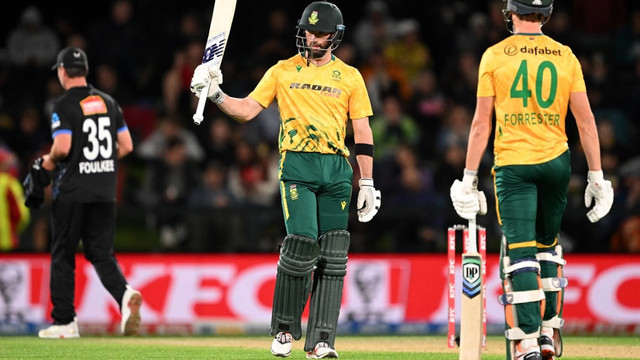
The fifth T20 International between South Africa and New Zealand was played on 25 March 2026 at Hagley Oval in Christchurch, New Zealand. It was the series-deciding match, with both teams entering the contest after a closely fought set of encounters. New Zealand won the toss and elected to bowl first, hoping to restrict the visitors to a manageable total. However, South Africa’s batting lineup produced an impressive performance and put considerable pressure on the home side.
South Africa scored 187 runs for four wickets in their allotted 20 overs, achieving a strong run rate of 9.35. New Zealand responded with 154 runs for eight wickets in 20 overs. The visitors therefore secured a 33-run victory and finished the five-match series with a 3–2 advantage. Wicketkeeper-batter Connor Esterhuizen was the standout performer, scoring 75 runs from just 33 deliveries. His innings helped South Africa establish a challenging total and earned him both Player of the Match and Player of the Series honours.
South Africa National Cricket Team vs New Zealand National Cricket Team Match Scorecard
The scorecard provides a clear overview of the deciding T20I and highlights the difference between the two teams’ performances. South Africa demonstrated greater consistency with the bat, particularly during the middle and final overs. New Zealand’s bowlers managed to take four wickets, but they struggled to prevent the visitors from scoring freely towards the end of the innings. In response, New Zealand had some promising individual contributions but lost wickets at important moments.
The south africa national cricket team vs new zealand national cricket team match scorecard also highlights the importance of partnerships in T20 cricket. South Africa’s batters built a competitive total through a combination of steady scoring and aggressive stroke play, whereas New Zealand could not maintain the same momentum throughout their chase.
| Match details | Information |
|---|---|
| Match | 5th T20I |
| Date | 25 March 2026 |
| Venue | Hagley Oval, Christchurch |
| Toss | New Zealand elected to bowl |
| South Africa | 187/4 in 20 overs |
| New Zealand | 154/8 in 20 overs |
| Result | South Africa won by 33 runs |
| Player of the Match | Connor Esterhuizen |
| Player of the Series | Connor Esterhuizen |
| Series result | South Africa won 3–2 |
South Africa First Innings: A Powerful Batting Performance
South Africa started their innings with the intention of building a strong foundation. Tony de Zorzi scored 12 runs from 14 balls before being dismissed by Zakary Foulkes. His early departure gave New Zealand an opportunity to put pressure on the visitors, but Wiaan Mulder and Rubin Hermann responded with a valuable partnership. Mulder contributed 31 runs from 29 deliveries, including two fours and two sixes. His role was important because he helped maintain stability while allowing the incoming batters to play more aggressively.
Rubin Hermann added 39 runs from 31 balls, hitting four boundaries and one six. His innings helped South Africa recover from the early wicket and build a competitive platform. The partnership between Mulder and Hermann was particularly useful because it prevented New Zealand from controlling the middle overs. Their approach showed that T20 batting does not always require every player to attack from the beginning. Sometimes, a combination of controlled batting and well-timed aggression produces better results.
Connor Esterhuizen’s Match-Winning Contribution
Connor Esterhuizen produced one of the most impressive batting performances of the match. He scored 75 runs from only 33 deliveries, recording five fours and six sixes. His strike rate of 227.27 reflected the attacking approach that South Africa needed during the latter stages of the innings. He found gaps in the field, cleared the boundary regularly and put the New Zealand bowlers under considerable pressure.
Esterhuizen’s partnership with Rubin Hermann helped South Africa move towards a commanding position. Once Hermann was dismissed, Esterhuizen continued attacking and ensured that the scoring rate did not slow down. Dian Forrester also made a useful contribution with an unbeaten 21 from 13 balls. South Africa eventually reached 187/4, a total that gave their bowlers a strong opportunity to defend the score. Esterhuizen’s performance was especially significant because it demonstrated how one explosive innings can change the direction of a T20 match.
New Zealand Second Innings: The Run Chase
New Zealand needed 188 runs to win, which required a consistent scoring rate throughout the innings. However, the hosts did not receive the start they wanted. Katene Clarke was dismissed for just two runs, while Tim Robinson scored 25 from 20 deliveries. Dane Cleaver contributed 22 runs from 17 balls, but New Zealand continued losing wickets before establishing a strong partnership.
Nick Kelly scored 14 runs, but his dismissal left the home side under additional pressure. At 69/4, New Zealand needed a substantial partnership to remain competitive. Bevon Jacobs attempted to change the situation with an attacking innings of 36 runs from 19 deliveries, including two fours and three sixes. His aggressive approach briefly gave the home supporters hope, but the required run rate continued to increase.
James Neesham added 24 runs from 24 deliveries, but his dismissal further reduced New Zealand’s chances. Josh Clarkson scored 13, while Cole McConchie managed only one run. The lower order could not produce the late acceleration required to challenge South Africa’s total. New Zealand eventually finished on 154/8, falling 33 runs short of the target. The south africa national cricket team vs new zealand national cricket team match scorecard clearly illustrates how the loss of wickets at regular intervals affected the home team’s chase.
Bowling Performance: Which Team Had the Advantage?
Bowling played a major role in determining the final result. South Africa’s bowling unit maintained pressure through disciplined line and length, while making important breakthroughs whenever New Zealand attempted to build momentum. Gerald Coetzee was among the leading performers, taking two wickets for 21 runs in four overs. His economical spell helped restrict the scoring rate during the middle and closing stages of the chase.
Wiaan Mulder also claimed two wickets, conceding 28 runs in three overs. Ottneil Baartman took two wickets for 33 runs, while Keshav Maharaj contributed one wicket. Their combined efforts prevented New Zealand from developing the partnerships needed to chase the target successfully.
New Zealand’s bowling performance had some positive moments as well. Ben Sears picked up two wickets, conceding 37 runs in four overs. Zakary Foulkes took one wicket and delivered a relatively economical spell, giving away 22 runs in four overs. Josh Clarkson also claimed one wicket. However, the New Zealand attack struggled to contain Esterhuizen during the later stages, and the runs conceded in the final overs made the chase more challenging.
Key Players Who Influenced the Match
Both teams had players who made important contributions, but South Africa benefited from stronger performances at crucial moments. Esterhuizen was undoubtedly the biggest influence because of his explosive batting and ability to score quickly without taking unnecessary risks. His 75-run innings changed the complexion of the first innings and gave South Africa the confidence to attack throughout the closing overs.
Wiaan Mulder and Rubin Hermann also played important supporting roles. Mulder contributed with both bat and ball, while Hermann provided stability during the middle overs. Gerald Coetzee’s bowling performance was another major factor in South Africa’s victory. For New Zealand, Bevon Jacobs showed attacking potential with his 36-run contribution, while Tim Robinson and Dane Cleaver attempted to stabilise the innings. However, individual contributions were not enough to overcome South Africa’s collective performance.
Important Individual Performances
Some of the most notable contributions from the deciding match included:
-
Connor Esterhuizen: 75 runs from 33 balls for South Africa.
-
Rubin Hermann: 39 runs from 31 balls for South Africa.
-
Bevon Jacobs: 36 runs from 19 balls for New Zealand.
-
Gerald Coetzee: Two wickets for 21 runs in four overs.
These performances demonstrate the importance of having players who can contribute in different situations. A successful T20 team needs explosive batters, dependable middle-order players and bowlers who can take wickets under pressure.
South Africa vs New Zealand T20I Series: A Match-by-Match Overview
The five-match T20I series in March 2026 provided plenty of entertainment. Both teams experienced winning and losing periods, making the contest competitive until the final match. South Africa won the opening game by seven wickets after restricting New Zealand to just 91 runs. The home team responded strongly in the second and third matches, winning by 68 runs and eight wickets respectively. These results gave New Zealand a 2–1 advantage in the series.
South Africa then produced an important comeback in the fourth T20I, winning by 19 runs. Connor Esterhuizen’s 57-run contribution helped the visitors post 164/5, while New Zealand were dismissed for 145. The fifth match became the series decider, where South Africa delivered another convincing performance to secure the trophy with a 3–2 series victory.
The following results summarise the five-match contest:
-
1st T20I: South Africa won by seven wickets.
-
2nd T20I: New Zealand won by 68 runs.
-
3rd T20I: New Zealand won by eight wickets.
-
4th T20I: South Africa won by 19 runs.
-
5th T20I: South Africa won by 33 runs.
The south africa national cricket team vs new zealand national cricket team match scorecard from the final game is particularly important because it represents the moment South Africa completed their comeback and secured the series.
What Made South Africa’s Victory Special?
South Africa’s victory was important because the team entered the final match after falling behind in the series. Winning the last two games required better execution, confidence and the ability to handle pressure. The team showed that it could adapt to changing match situations rather than relying entirely on its established international players. The performances of younger and less experienced cricketers were particularly encouraging.
Another important aspect was the balance between batting and bowling. South Africa did not depend on a single department to secure the victory. The batters established a challenging total, while the bowlers maintained control during the chase. Their fielding efforts also supported the overall performance. This combination helped the visitors turn a competitive series into a successful campaign.
The south africa national cricket team vs new zealand national cricket team match scorecard also offers useful lessons for cricket followers. It shows why building partnerships, maintaining a healthy run rate and taking wickets at regular intervals are essential elements of successful T20 cricket.
How to Understand a Cricket Match Scorecard
For readers who regularly follow international cricket, understanding a scorecard makes it easier to analyse the match beyond the final result. A scorecard contains several statistical details that explain how players performed and how the game progressed. These figures are particularly useful when comparing two teams or evaluating individual contributions.
The batting section generally includes runs, balls faced, boundaries and strike rate. The bowling section displays overs, maidens, runs conceded, wickets taken and economy rate. Extras include additional runs awarded through wides, no-balls, byes and leg-byes. Fall-of-wickets information explains when batters were dismissed and how the innings developed.
When examining the south africa national cricket team vs new zealand national cricket team match scorecard, readers should pay particular attention to partnerships and strike rates. For example, Esterhuizen’s strike rate of 227.27 shows how quickly he scored compared with the number of deliveries faced. Similarly, Coetzee’s economy rate of 5.25 highlights his ability to restrict New Zealand’s scoring while taking important wickets. These details provide a more complete understanding of individual and team performances.
Conclusion
The fifth T20I between South Africa and New Zealand on 25 March 2026 was an exciting conclusion to a competitive international series. South Africa scored 187/4 in 20 overs before restricting New Zealand to 154/8, securing a 33-run victory and winning the series 3–2. Connor Esterhuizen emerged as the standout performer with an outstanding 75-run innings from just 33 deliveries. His contribution was supported by valuable performances from Rubin Hermann, Wiaan Mulder and the South African bowling attack.
For cricket enthusiasts, the south africa national cricket team vs new zealand national cricket team match scorecard offers a detailed picture of the deciding encounter. It highlights the importance of batting partnerships, effective bowling changes, individual performances and teamwork. Both teams displayed competitive cricket throughout the series, but South Africa’s stronger finish ultimately made the difference.
The series also demonstrated why T20 international cricket remains exciting for viewers. A single explosive innings, an important bowling spell or a crucial partnership can change the result within a few overs. South Africa’s successful comeback made this five-match contest a memorable chapter in the cricketing rivalry between these two international teams.