

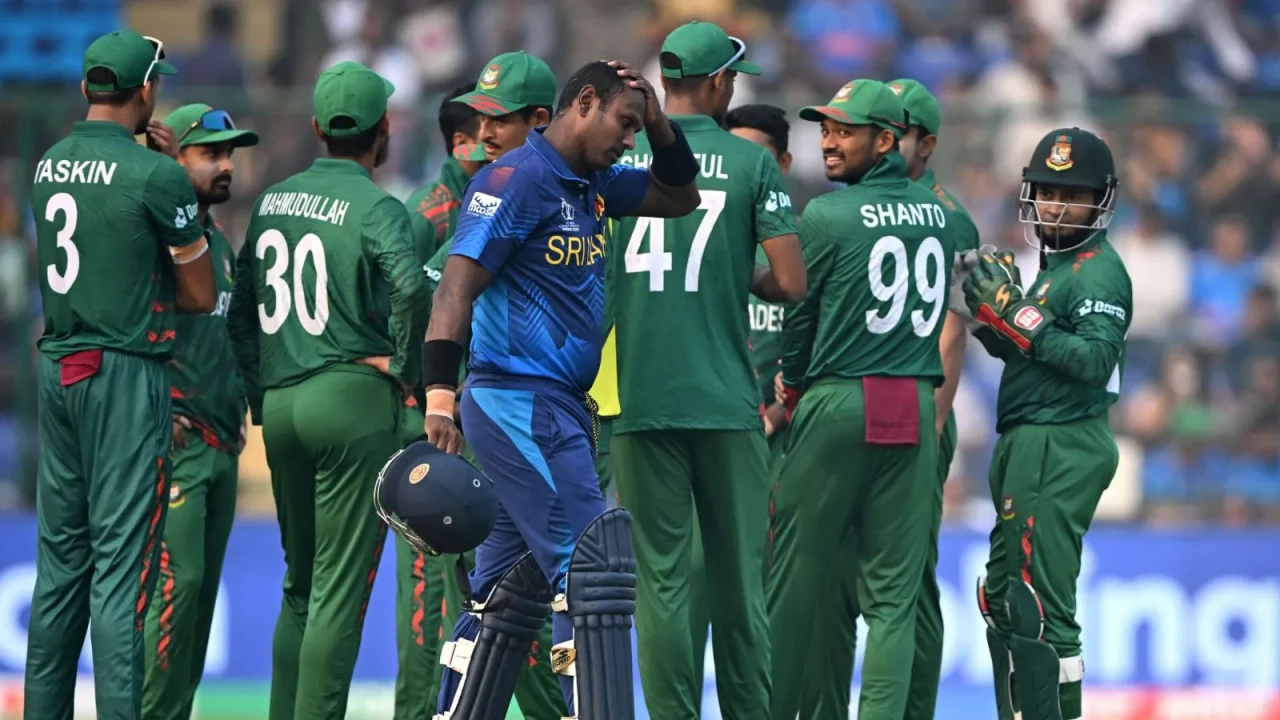


Cricket between Sri Lanka and Bangladesh has developed into one of the more competitive matchups in Asian cricket. Both teams have experienced different stages of growth, rebuilding, and international success, while their meetings have often produced closely fought contests. The rivalry extends across Tests, One-Day Internationals, and T20 cricket, with each format creating a different tactical challenge. While Sri Lanka have a long history of major international achievements, Bangladesh have steadily established themselves as a competitive side capable of challenging established teams.
The appeal of sri lanka vs bangladesh matches comes partly from the contrasting characteristics of the two teams. Sri Lankan cricket has traditionally been associated with technically gifted batters, inventive bowling, quality spin, and players comfortable adapting to different conditions. Bangladesh, meanwhile, have built a reputation around determined batting performances, effective spin bowling, energetic fielding, and strong performances on home surfaces. When these qualities meet, the result can be difficult to predict before the first ball is bowled.
Another interesting aspect is that both nations have produced generations of players who have become important figures in Asian cricket. Their encounters are therefore not simply about the result of an individual match. They also provide an opportunity to examine how different cricketing systems develop players, respond to pressure, and adapt their strategies against familiar regional opponents.
Sri Lanka vs Bangladesh: A Growing Asian Cricket Rivalry
The history of sri lanka vs bangladesh cricket reflects the development of Bangladesh as an international cricket nation. Sri Lanka had already established itself at the highest level when Bangladesh were beginning to make their presence felt in international cricket. Over time, however, Bangladesh became increasingly competitive and began producing performances that demonstrated their ability to compete against stronger opponents.
The rivalry gained additional attention because both countries regularly encounter similar playing conditions in Asia. Warm weather, turning pitches, and familiarity with spin bowling can influence tactical decisions. Yet the conditions are not always identical, and teams must adjust according to the venue. A pitch offering substantial turn may encourage captains to use multiple spinners, while a flatter surface can make batting depth and death bowling more important.
Matches between these sides have also occasionally included intense moments and dramatic changes in momentum. That competitive atmosphere has helped create a recognizable cricket rivalry without requiring the teams to share the same historical background as some of cricket’s more traditional rivalries.
Different Formats, Different Challenges
One reason sri lanka vs bangladesh contests remain interesting is that the balance between the teams can change significantly depending on the format. Test cricket rewards patience, technical discipline, and the ability to maintain pressure over several days. ODI cricket requires a combination of stability and controlled aggression, while T20 cricket places greater emphasis on power hitting, matchups, fielding, and execution during short periods.
In Test cricket, spin can become increasingly important as a match develops. Batters must judge whether to attack or defend against turning deliveries, while bowlers need patience because wickets may not arrive immediately. A team that loses several wickets during a difficult session can quickly surrender control of a Test match.
ODIs create a different tactical equation. A strong opening partnership can establish the platform for a large total, but middle-order batters must continue the momentum without exposing the lower order too early. Bowling teams also need to manage the middle overs carefully, particularly when spinners are trying to prevent batters from rotating the strike.
T20 cricket compresses all of these decisions. A batter may have only a handful of deliveries to change the direction of an innings, while a bowler can be under pressure after one expensive over. This makes sri lanka vs bangladesh particularly entertaining in the shortest format because individual performances can have an immediate influence on the result.
Key Players Can Change the Match
The outcome of an international cricket match is rarely determined by one player alone, but certain individuals can significantly influence the direction of a contest. Sri Lanka have historically produced elegant top-order batters, creative all-rounders, mystery or attacking spinners, and bowlers capable of generating wickets at crucial moments.
Bangladesh have similarly developed players who can contribute across different phases of a match. Their strongest sides have often combined experienced batters with reliable spin options and seamers capable of exploiting movement when conditions allow. All-rounders can be particularly valuable because they provide captains with additional tactical flexibility.
Rather than focusing exclusively on star names, it is useful to examine roles. An opening batter who survives the first ten overs can create a platform for an ODI innings. A middle-order player who accelerates during the final overs can add dozens of valuable runs. In bowling, a spinner who breaks a partnership can alter an entire innings, while a death bowler who concedes very few runs can determine whether a competitive total becomes a winning total.
What to Watch During a Match
Several factors can provide clues about how the contest is developing:
- The quality and speed of the opening partnership.
- How effectively each team handles spin through the middle overs.
- Wicket-taking options during the final phase of an innings.
- Fielding quality and the ability to convert half-chances.
These details often explain why a match changes direction even when the scoreboard initially appears balanced.
The Importance of Spin Bowling
Spin bowling is one of the most important tactical elements in Asian cricket, and sri lanka vs bangladesh encounters can place considerable emphasis on it. Captains may use spin early if the pitch provides assistance, or save their most effective spinners for the middle overs when batters are trying to accelerate.
Sri Lanka have a long tradition of producing high-quality spin bowlers. Their cricketing history includes players who have succeeded through accuracy, variation, flight, and an ability to read batters. Bangladesh have also developed a strong spin culture, particularly because domestic conditions have encouraged bowlers to learn how to operate effectively on slower surfaces.
However, spin is not automatically successful simply because a pitch appears slow. Batters who use their feet effectively can disrupt a spinner’s rhythm, while aggressive sweeps and controlled running between wickets can prevent the bowler from building pressure. Consequently, the battle between spin bowling and batting technique can become one of the central tactical stories of the match.
Batting Strategy and Middle-Order Pressure
A successful batting innings requires more than simply scoring quickly. Teams must understand when to consolidate and when to attack. Against Sri Lanka or Bangladesh, batters may encounter periods in which rotating the strike is more productive than attempting boundaries.
The middle order becomes particularly important after an early wicket. If a team loses two or three wickets quickly, the next batters must rebuild without allowing the required scoring rate to become unmanageable. On the other hand, if the top order establishes a strong foundation, middle-order players can enter with greater freedom and target specific bowlers.
In T20 cricket, the concept becomes even more pronounced. Teams often divide an innings into phases and assign specific responsibilities to different batters. One player may focus on building an innings while another targets particular matchups. This approach can produce rapid scoring without requiring every batter to attack from the first delivery.
Bowling at the Beginning and End of an Innings
New-ball bowling can provide a significant advantage because early movement may make stroke-making difficult. Seamers need to maintain disciplined lines and lengths, while batters must avoid unnecessary risks during the opening overs.
At the other end of the innings, death bowling requires a completely different skill set. Yorkers, slower deliveries, wide lines, and variations can all be used to restrict boundary scoring. A bowler who executes these plans consistently can save a significant number of runs.
This is especially important in limited-overs versions of sri lanka vs bangladesh. A team may appear to have dominated for much of an innings, only to lose control during the final five overs. Conversely, excellent execution at the death can transform an ordinary bowling performance into an effective one.
Home Conditions and Venue Influence
Home advantage can have a meaningful effect on cricket matches because teams understand their local pitches, weather patterns, and ground dimensions. Sri Lankan venues can offer different combinations of pace, bounce, and spin depending on location and conditions. Bangladesh venues can also produce surfaces where spinners and slower bowlers become particularly relevant.
| Match factor | Sri Lanka | Bangladesh |
|---|---|---|
| Spin relevance | Often significant in suitable conditions | Frequently important on slower surfaces |
| Batting approach | Adaptability and stroke play | Patience combined with controlled aggression |
| Seam bowling | Important when movement is available | Can become influential under helpful conditions |
| Fielding | Crucial in tight limited-overs games | Increasingly important in modern cricket |
| Tactical focus | Matchups and bowling variation | Spin usage and pressure-building |
Conditions can therefore influence selection as much as reputation. A team may choose an additional spinner on a turning surface or strengthen its pace attack when weather and pitch conditions suggest movement. Captains and coaching staffs must assess these factors before deciding on their final combination.
Memorable Encounters and Competitive Moments
Over the years, sri lanka vs bangladesh matches have produced several memorable moments across international cricket. Some have been remembered for individual batting performances, while others have become notable because of dramatic finishes or unusual match situations.
Close matches tend to leave the strongest impression because they demonstrate how quickly momentum can shift. A team can appear comfortably ahead before a cluster of wickets changes the situation. Similarly, a lower-order partnership can turn what looks like a straightforward chase into a tense final phase.
These matches also demonstrate the importance of composure. Players must manage pressure while responding to changing conditions, and captains must make decisions with limited information. Bowling changes, field placements, batting promotions, and reviews can all influence the final result.
The Role of Young Players
The development of young cricketers is another important feature of this rivalry. Both countries regularly introduce emerging players who eventually become important members of their national teams. Matches against familiar opponents can provide valuable experience because young players encounter international pressure while facing players and tactics they may already understand from regional cricket.
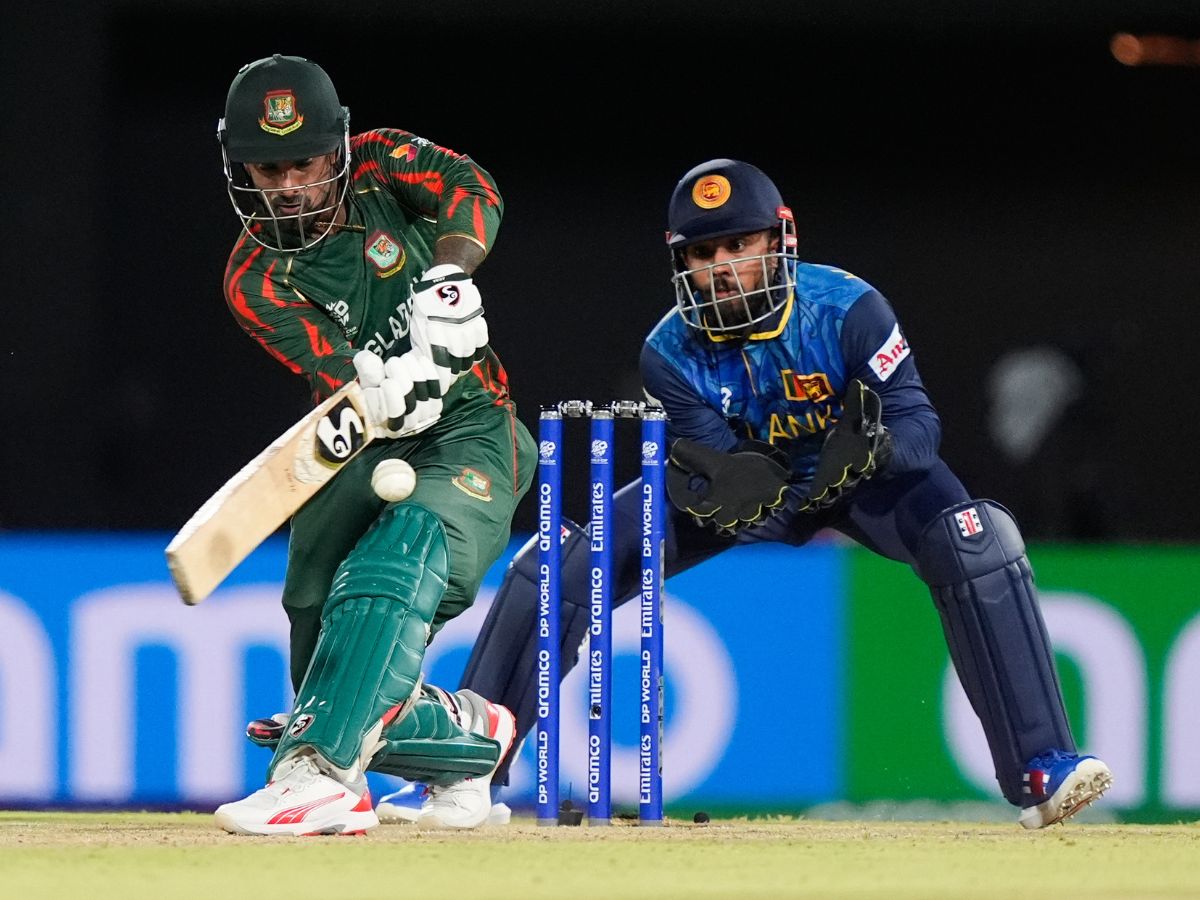
For a young batter, handling quality spin or disciplined pace can reveal areas requiring improvement. For a young bowler, bowling to established international batters can accelerate tactical development. Fielders also gain experience from handling pressure situations in front of large audiences.
This generational aspect gives the rivalry a constantly changing character. The players who define one period may eventually be replaced by another group, creating new matchups and fresh tactical narratives.
How Fans Follow the Match
Modern cricket audiences consume matches in many different ways. Some supporters watch the complete broadcast, while others follow score updates, short video highlights, statistics, and commentary. Digital coverage has made it easier for fans to remain connected even when they cannot watch every delivery.
For followers of sri lanka vs bangladesh, live scores are particularly useful during close matches. A scoreboard can show the required run rate, wickets remaining, partnerships, and overs completed, allowing supporters to understand the competitive situation quickly. Detailed statistics can also reveal trends that are not immediately obvious from watching the game.
However, numbers are most useful when viewed in context. A high run rate may look impressive, but it matters differently depending on wickets in hand and the remaining overs. Likewise, a bowler’s economy rate can hide the fact that they delivered crucial wickets at important moments.
What Makes Future Meetings Interesting
Future meetings between these teams will continue to reflect the changing nature of international cricket. Both sides are capable of developing new tactical approaches, introducing emerging players, and adjusting their selections according to conditions. T20 cricket may encourage more experimentation, while Tests and ODIs require longer-term planning and greater consistency.
Technology is also becoming increasingly important. Teams now use detailed performance data to study batting zones, bowling matchups, scoring patterns, and opposition weaknesses. Captains have access to more information than previous generations, meaning tactical preparation begins well before the players enter the field.
At the same time, cricket remains unpredictable. A carefully prepared strategy can disappear after a brilliant individual performance or an unexpected spell of bowling. That uncertainty is one of the reasons international cricket continues to attract such a large audience.
Conclusion
Sri Lanka vs Bangladesh cricket represents a competitive meeting between two Asian teams with distinct histories, playing styles, and cricketing traditions. Their encounters can involve spin battles, aggressive batting, disciplined seam bowling, changing pitch conditions, and intense pressure during the final stages of limited-overs matches. The balance can shift rapidly, making each contest dependent on execution rather than reputation alone. The enduring interest in sri lanka vs bangladesh comes from this combination of familiarity and unpredictability. Both teams understand the regional conditions and have experience against one another, yet every new generation introduces different strengths and weaknesses. Young players can emerge, established stars can produce match-changing performances, and tactical decisions can reshape the contest within a few overs.