

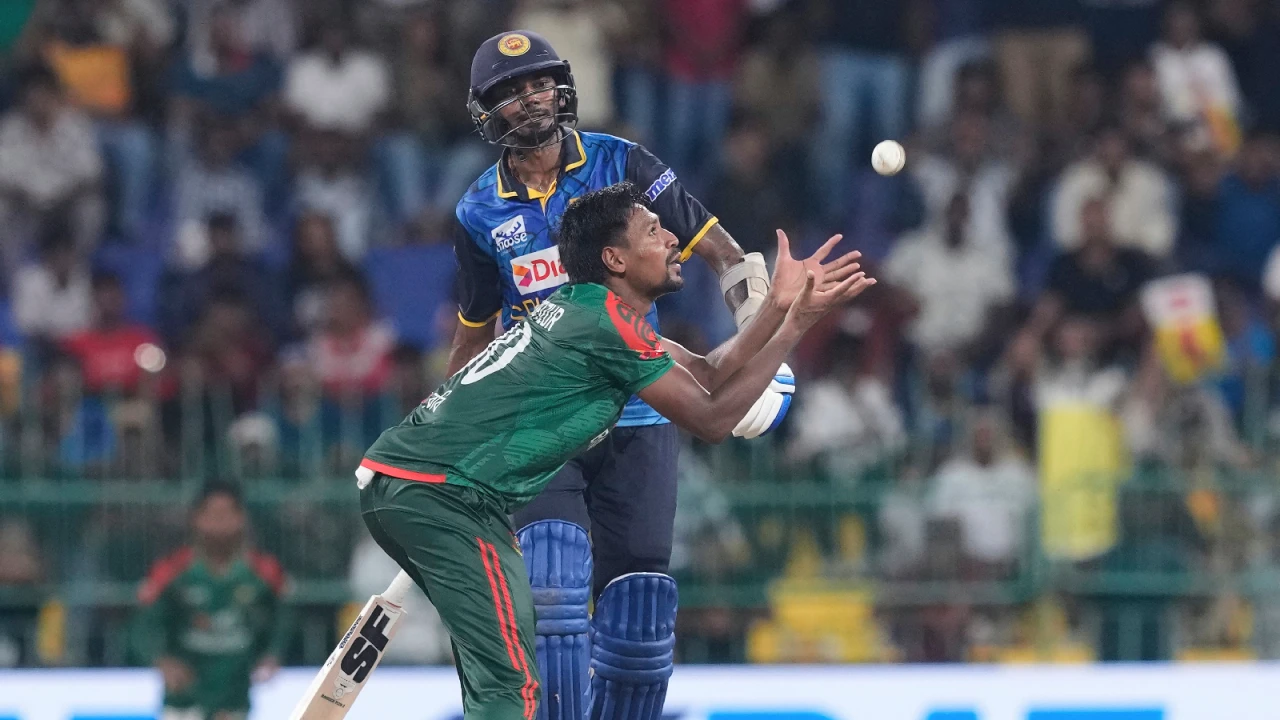


Bangladesh and Sri Lanka have developed a compelling cricket rivalry across Tests, One-Day Internationals and T20 cricket. Their encounters frequently combine contrasting styles: Sri Lanka have traditionally relied on technical batting, varied bowling options and experienced campaigners, while Bangladesh have built a reputation for fighting hard through disciplined bowling, improving batting depth and strong performances in familiar Asian conditions. Over the years, matches between the two sides have produced close finishes, momentum swings and memorable individual performances.
The current cricket landscape makes Bangladesh vs Sri Lanka particularly interesting because both teams continue to evolve. Younger players are receiving opportunities, established names remain important, and shorter formats have created new tactical possibilities. In the latest men’s international context, Sri Lanka entered October 2026 after an ODI series against England, while Bangladesh’s most recent major assignment was the Asian Games. The two sides are also scheduled to meet in the men’s T20 third-place play-off at the 2026 Asian Games on October 3 at Korogi Sports Park in Nisshin.
Bangladesh vs Sri Lanka: A Rivalry Built Across Formats
The rivalry has developed over many years rather than being limited to one particular tournament. Sri Lanka have historically held the stronger overall record, particularly in Test and ODI cricket, but Bangladesh have repeatedly demonstrated that they can challenge their opponents when conditions and match situations suit them. The balance becomes even more interesting in T20 cricket, where a single productive powerplay or a couple of overs from a specialist bowler can dramatically change the direction of a match.
Their recent meetings have also shown why historical records cannot completely explain the modern contest. In the 2025 ODI series, Sri Lanka won the first and third matches while Bangladesh won the second, giving the series a 2–1 result in Sri Lanka’s favour. In the 2025 Asia Cup T20 meetings, the teams exchanged victories, with Sri Lanka winning one encounter and Bangladesh taking the other. These results demonstrate how quickly the balance can shift between the sides depending on format, venue and match conditions.
Historical Head-to-Head Record
Sri Lanka have generally enjoyed an advantage in the overall rivalry. Available historical records show Sri Lanka ahead in both Tests and ODIs, while the T20I gap is considerably narrower. One current statistical compilation lists 42 meetings between the sides since 2018 across formats, with Sri Lanka winning 24 and Bangladesh winning 18 during that period. Different statistical databases can produce different totals depending on the exact formats, dates and competitions included, so head-to-head figures are most useful when considered alongside recent results rather than in isolation.
Test cricket has historically been the format in which Sri Lanka’s advantage has been most pronounced. A current record summary lists 26 Test meetings, with Sri Lanka winning 20, Bangladesh winning one and five ending in draws. The most recent Test series in June 2025 included a drawn first Test followed by a substantial Sri Lankan victory in the second Test, showing the difference that sustained batting and bowling pressure can make over five days.
| Format | Historical pattern | What usually matters most |
|---|---|---|
| Test | Sri Lanka have held a clear advantage | Patience, spin, batting depth and long spells |
| ODI | Sri Lanka have the stronger overall record | Middle-over control and partnerships |
| T20I | More closely contested | Powerplay scoring, death bowling and matchups |
| Asian tournaments | Frequent competitive meetings | Adaptability and pressure management |
Recent Form and the 2026 Scenario
The latest Bangladesh vs Sri Lanka storyline is connected to the 2026 Asian Games. Persistent rain disrupted the men’s cricket quarter-finals, with both Bangladesh and Sri Lanka advancing after their scheduled matches were abandoned. Bangladesh were due to face Malaysia, while Sri Lanka were scheduled to play Nepal. Because the matches could not be completed, rankings determined which teams advanced to the semi-finals.
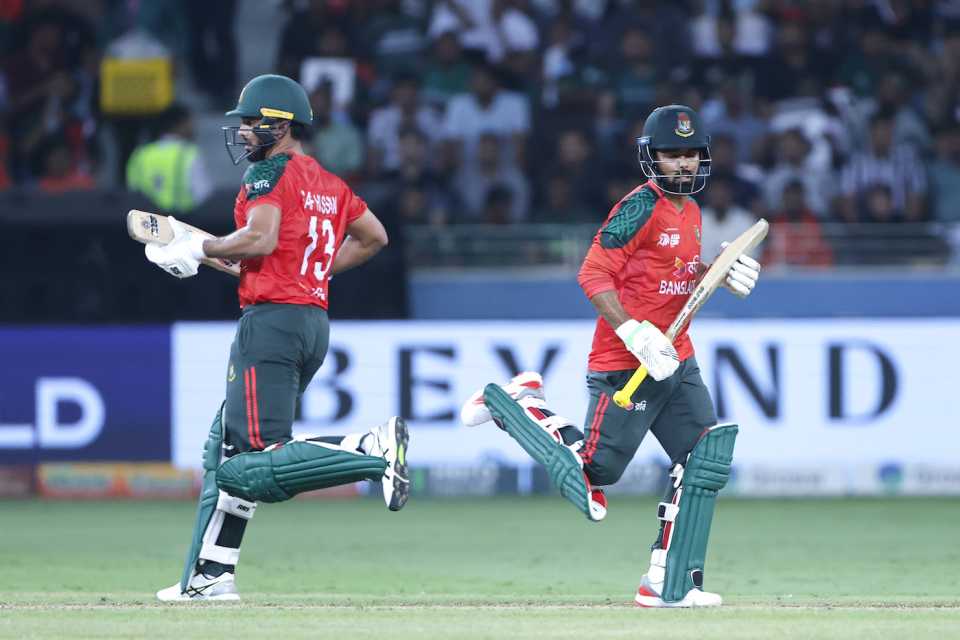
The semi-finals then produced contrasting results. Bangladesh faced Pakistan in a rain-shortened match and posted 111/7 from 13 overs, but Pakistan reached 112/4 in 11.3 overs to win by six wickets. Sri Lanka subsequently faced India and were dismissed for 45 after India scored 169/7, resulting in a 124-run defeat for Sri Lanka. These outcomes mean Bangladesh and Sri Lanka enter their scheduled third-place play-off after difficult semi-final defeats, giving the October 3 meeting additional significance.
What to Expect From the Upcoming T20 Meeting
The scheduled October 3 men’s T20 third-place play-off provides another opportunity to examine how the two sides respond after losing their respective semi-finals. The match is listed for Korogi Sports Park in Nisshin, with Bangladesh and Sri Lanka both bringing squads containing a mixture of established international players and players looking to make an impact in the tournament.
Because T20 cricket is highly dependent on conditions, the result cannot be explained simply through historical head-to-head numbers. The surface, weather, boundary dimensions and quality of the first six overs can all influence the game. At a venue affected by rain during the tournament, teams may also need to remain flexible with their tactical plans. A shortened game could place even greater emphasis on aggressive batting and versatile bowlers capable of delivering under pressure.
Key Players Who Can Shape the Contest
Bangladesh’s squad includes experienced names such as Litton Das, Mustafizur Rahman, Mahedi Hasan and Nasum Ahmed. Litton brings wicketkeeping and top-order experience, while Mustafizur offers variations that can become particularly useful during the middle and closing stages of an innings. Mahedi provides another dimension because his contribution can extend across batting and bowling, giving the team greater flexibility when selecting a T20 combination.
Sri Lanka also possess a varied group of players, including Nuwan Thushara, Vijayakanth Viyaskanth, Ashen Bandara and Nuwanidu Fernando. The squad’s balance allows Sri Lanka to consider different combinations depending on the pitch and opposition. In a short format, a bowler capable of taking wickets early can change the match immediately, while a batter who converts a modest start into a rapid finishing contribution can transform a competitive total into a difficult target.
Batting Approach and Middle-Order Importance
One of the most important aspects of Bangladesh vs Sri Lanka contests is the battle between aggressive intent and innings stability. T20 teams cannot afford to spend too long rebuilding after early wickets, but attacking every delivery can create unnecessary collapses. The ideal approach is usually to establish a platform during the powerplay before increasing the scoring rate through the middle overs and final five overs.
For Bangladesh, experienced batters can provide stability while younger players can add acceleration. Sri Lanka’s challenge is similar, particularly after their recent low-scoring performance against India. A single poor powerplay can put enormous pressure on the middle order, especially in a shortened match where there may be fewer overs available for recovery. Partnerships therefore become extremely important even when the format rewards aggressive cricket.
Bowling Could Decide the Match
Bowling depth is another major factor. T20 cricket often rewards teams that can take wickets rather than simply contain scoring. A side that removes two or three important batters during the powerplay can force the opposition into a defensive middle phase. Conversely, disciplined bowling at the death can prevent a seemingly average total from becoming a challenging one.
Bangladesh can look toward experienced pace options and spin resources, while Sri Lanka have their own mixture of seam and spin. The tactical battle could become especially interesting if the pitch offers grip or if the ball becomes difficult to hit cleanly. Bowlers who vary pace and length intelligently may have an advantage over those who rely exclusively on speed.
Important Tactical Factors
Several details could have a major influence on the contest:
- Powerplay wickets and the opening batting partnership.
- How effectively teams use spin during the middle overs.
- Death-over execution when batters are attacking every delivery.
- The impact of weather and any reduction in overs.
These factors are particularly important because the tournament has already experienced significant rain interruptions. A match that begins normally could still require tactical adjustments if weather affects the playing conditions.
Why Conditions Matter in Asian Cricket
Bangladesh and Sri Lanka are both accustomed to playing cricket in conditions where spin, humidity and changing pitches can influence strategy. Players from both countries generally understand the value of rotating strike against slower bowlers and using the crease to disrupt their lengths. However, familiarity with Asian conditions does not guarantee success, particularly when a tournament is played at a venue outside the teams’ usual home environments.

The Asian Games venue adds another layer to the contest. The men’s cricket tournament has been affected by rain, which means preparation and adaptability have been important throughout the competition. Teams that respond quickly to changes in pitch behaviour, match length and bowling requirements can gain an advantage during disrupted tournaments.
Lessons From Recent Meetings
Recent Bangladesh-Sri Lanka matches have demonstrated that neither side can depend entirely on reputation. The 2025 ODI series is a useful example: Sri Lanka won the opening match by 77 runs, Bangladesh responded with a 16-run victory, and Sri Lanka finished the series with a 99-run win. That sequence illustrates how individual performances and conditions can produce completely different outcomes within the same bilateral contest.
Their 2025 T20 Asia Cup meetings provide another example. Sri Lanka won their first encounter by six wickets, while Bangladesh later defeated Sri Lanka by four wickets with one ball remaining. The narrow nature of the second result underlines how small moments can determine T20 matches. A dropped catch, a successful review, an economical over or a boundary during the final overs can completely change the outcome.
The Broader Importance of the Rivalry
Bangladesh vs Sri Lanka is more than a contest between two neighbouring cricket regions. Their matches provide an important platform for developing players and testing combinations before larger international assignments. With major tournaments and the 2027 ODI World Cup cycle influencing squad planning, every international or multi-nation fixture can help teams identify their strongest combinations and assess emerging talent.
The rivalry is also valuable because the teams approach the game from somewhat different cricketing traditions while sharing many environmental and tactical similarities. That combination creates competitive contests in which both sides understand the conditions but still need to solve different problems. For supporters, this produces matches that can change direction quickly and remain engaging deep into an innings.
Conclusion
Bangladesh and Sri Lanka have built a cricket rivalry shaped by decades of meetings, contrasting strengths and increasingly competitive shorter-format encounters. Sri Lanka’s historical advantage remains an important part of the record, especially in Tests and ODIs, but Bangladesh have shown repeatedly that recent form and match-specific conditions can produce different outcomes. The teams’ 2025 meetings across formats and their contrasting results at the 2026 Asian Games further demonstrate why historical statistics should be treated as context rather than a prediction.