




Women’s cricket in Asia has developed rapidly, and contests between Bangladesh and Sri Lanka have become increasingly interesting for fans following the regional game. Both teams have produced competitive performances across T20I and ODI cricket, while their meetings often feature contrasting approaches. Bangladesh have traditionally built their game around disciplined bowling and steady batting contributions, whereas Sri Lanka have increasingly combined experienced match-winners with aggressive batting options. This makes every meeting between the two sides an intriguing examination of strategy, temperament and execution.
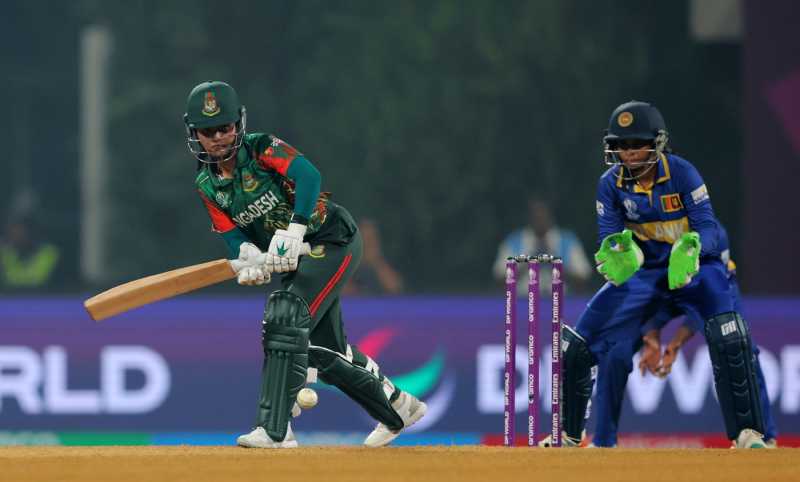
The Bangladesh vs Sri Lanka Women contest has gained additional attention during the 2026 international season. The teams met in the Women’s Asia Cup T20 tournament in Dubai on September 6, 2026, with Sri Lanka winning by four wickets after successfully chasing Bangladesh’s total. Harshitha Samarawickrama played a decisive role with an unbeaten 48, guiding Sri Lanka through the latter stages of the chase. That result provides useful recent context when assessing how the two sides currently match up.
The rivalry is not simply about the final result. Matches between these teams can turn on a short period of batting momentum, a productive spell from a spinner or a fielding mistake at an important moment. With both sides continuing to develop their squads and international experience, their future encounters should remain closely watched across South Asian cricket.
Bangladesh vs Sri Lanka Women: Current Cricket Landscape
The current landscape shows two teams moving through different stages of development while remaining capable of challenging stronger opponents. Bangladesh entered the 2026 Women’s Asia Cup after securing their place among the tournament’s participating teams and later reached the semi-final, where they faced India. Sri Lanka, meanwhile, entered the competition as defending champions after winning the previous edition in 2024. The 2026 tournament was played in T20I format in the United Arab Emirates.
The recent Asia Cup meeting therefore carried significance beyond an ordinary group-stage fixture. Bangladesh posted 114/8 from their 20 overs, but Sri Lanka reached 115/6 in 19.2 overs to win by four wickets. The match demonstrated how important the final five overs can be in a T20 chase. Bangladesh had opportunities to pressure the Sri Lankan batting order, but Harshitha Samarawickrama remained composed and finished the chase without losing her wicket.
This kind of contest also illustrates why numerical comparisons alone do not fully explain the matchup. A team can have strong bowlers, but if the opposition keeps wickets in hand, the pressure can shift rapidly. Likewise, a batting side can appear in control during the powerplay before losing several wickets in the middle overs. These tactical changes are particularly important in women’s T20 cricket, where momentum can change within a handful of deliveries.
Recent Bangladesh Women Performances
Bangladesh have shown that their strongest route to competitive cricket often involves disciplined bowling combined with useful contributions throughout the batting order. Their 2026 campaign included an impressive T20 World Cup performance against Pakistan, where Bangladesh recovered from 13/3 to post 123/6 before their spinners helped defend the total. Nahida Akter and Sanjida Akter Meghla each took three wickets in that victory.
That performance highlighted a characteristic that can also influence the Bangladesh vs Sri Lanka Women matchup: Bangladesh can remain competitive even when their batting innings does not begin perfectly. Players such as Nigar Sultana and Shorna Akter have provided important middle-order stability, while the bowling attack has the ability to make relatively modest totals difficult to chase.
Bangladesh’s recent international schedule has also provided experience against high-level opponents. They competed in the 2026 Women’s T20 World Cup, Women’s Asia Cup and Asian Games, giving several members of the squad opportunities to play under different conditions. Their Asian Games squad included established players such as Nigar Sultana Joty, Nahida Akter, Dilara Akter, Sobhana Mostary, Shorna Akter and Rabeya Khan.
Sri Lanka Women’s Recent Progress
Sri Lanka have entered the recent period with an influential combination of experience and attacking ability. Captain Chamari Athapaththu remains one of the most recognizable figures in women’s cricket, while Harshitha Samarawickrama has demonstrated her ability to control an innings under pressure. The Sri Lankan squad also includes players such as Imesha Dulani, Kavisha Dilhari, Hasini Perera and Sugandika Dasanayaka, giving the team several options across batting and bowling.
Sri Lanka’s 2026 T20 World Cup campaign provided another example of their ability to produce explosive batting performances. Against Ireland, Athapaththu scored 106 not out from 58 balls, becoming the first Sri Lankan woman to make an ICC Women’s T20 World Cup century. Sri Lanka won that match by nine wickets after chasing 131.
The Bangladesh vs Sri Lanka Women contest can therefore involve an interesting tactical battle. Bangladesh may look to restrict Sri Lanka’s aggressive batters with spin and changes of pace, while Sri Lanka can attempt to attack early and prevent Bangladesh from establishing control. The side that manages the middle overs effectively often gains a major advantage in T20 cricket.
Key Players Who Can Influence the Match
Individual performances frequently determine close women’s T20 matches, particularly when the two sides have similar levels of overall experience. For Bangladesh, the bowling group can be particularly important. Nahida Akter has demonstrated her ability to take wickets while maintaining pressure, while other bowlers can contribute through variations and changes of pace.
For Sri Lanka, the presence of experienced batters provides an important source of stability. Athapaththu can change the tempo of an innings quickly, while Samarawickrama has shown that she can combine patience with acceleration when required. In the recent Asia Cup meeting, Samarawickrama’s unbeaten 48 was central to Sri Lanka’s successful chase.
| Area | Bangladesh Women | Sri Lanka Women |
|---|---|---|
| Batting approach | Structured and adaptable | Aggressive with experienced match-winners |
| Bowling strength | Spin and disciplined variations | Mix of spin, pace and attacking options |
| Key experience | Nigar Sultana, Nahida Akter | Chamari Athapaththu, Harshitha Samarawickrama |
| T20 approach | Build pressure and exploit mistakes | Maintain scoring momentum and attack |
| Recent Asia Cup meeting | 114/8 | 115/6, won by four wickets |
The table illustrates the broad tactical characteristics rather than suggesting that every match will follow the same pattern. Conditions, toss, pitch behaviour and individual form can significantly change the balance between the teams.
How Bangladesh Can Challenge Sri Lanka
Bangladesh’s bowling is likely to remain an important component of their strategy. On slower Asian pitches, accurate spin can restrict boundary opportunities and force batters to take additional risks. Bangladesh can also benefit when their fielders convert half-chances because Sri Lanka’s attacking players are capable of changing the scoring rate rapidly.
Batting discipline is equally important. Rather than relying on one player to produce a large innings, Bangladesh can benefit from partnerships that take the team deep into the innings. A score built through contributions from several batters can create greater pressure during the chase, particularly if the pitch becomes slower later in the match.
Several factors could be important for Bangladesh:
- Protecting wickets during the middle overs.
- Using spin effectively against attacking batters.
- Maintaining a strong fielding standard.
- Building partnerships rather than relying entirely on individual scores.
The recent Asia Cup meeting showed that Bangladesh were capable of creating pressure but could not prevent Sri Lanka from completing the chase. That experience can provide useful tactical lessons for future meetings.
How Sri Lanka Can Maintain the Advantage
Sri Lanka’s major advantage can come from their ability to combine experience with aggressive batting. Athapaththu’s power at the top of the order means opposing bowlers cannot afford too many loose deliveries. If she establishes a strong platform, Sri Lanka can put pressure on Bangladesh before the middle overs begin.
However, Sri Lanka also need contributions beyond their most established names. The recent Asia Cup match showed the value of Samarawickrama’s composure after Bangladesh’s bowlers created pressure. Her unbeaten 48 ensured that Sri Lanka remained in control of the chase until the finishing stages.
Sri Lanka’s bowling unit can also benefit from attacking the Bangladesh middle order. Early wickets can prevent Bangladesh from establishing the partnerships required to reach a challenging T20 total. At the same time, bowlers need to avoid giving away easy runs because Bangladesh have demonstrated that they can recover from difficult starts.
T20 Strategy and Match Conditions
In a Bangladesh vs Sri Lanka Women match, the toss can influence tactical decisions, particularly when dew or pitch conditions affect the second innings. A captain choosing to bat first may prioritize preserving wickets during the powerplay before increasing the scoring rate. A captain chasing a target may instead emphasize keeping wickets available for the final five overs.
The powerplay is another important phase. Both teams need to balance attacking intent with the value of wickets. Losing three or four wickets early can completely change the structure of a T20 innings, while a strong powerplay can provide enough freedom for batters to attack later.
The middle overs are often where the tactical battle becomes most visible. Bangladesh’s spinners can attempt to slow Sri Lanka’s scoring, while Sri Lankan batters may use sweeps, rotations and calculated boundary attempts to disrupt the bowling plan. Conversely, Sri Lanka’s bowlers will look to create dot-ball pressure against Bangladesh’s middle order.
The final five overs can then become a test of execution. Batters need to identify boundary opportunities, while bowlers must combine yorkers, slower deliveries and field placements effectively. Small errors during this phase can decide an otherwise balanced contest.
Bangladesh vs Sri Lanka Women: What Fans Should Watch
There are several storylines that can make future meetings between these teams particularly engaging. One is the battle between Bangladesh’s spin resources and Sri Lanka’s experienced batting core. Another is the performance of the middle-order players, who can determine whether a team converts a reasonable start into a competitive total.

Fans should also watch how the opening partnerships develop. A successful opening stand can provide stability and reduce pressure on the middle order. If early wickets fall, however, the match can quickly become a contest of recovery and risk management.
Another important element is captaincy. Nigar Sultana and Chamari Athapaththu have different tactical resources at their disposal, and decisions involving bowling changes, field placements and batting positions can have a significant effect. In T20 cricket, captains have limited time to react, making tactical flexibility especially valuable.
The Importance of Experience in Asian Women’s Cricket
The growth of women’s cricket across Asia has increased the frequency of high-quality competitive matches. Players now gain experience through international tournaments, domestic competitions and increasingly demanding schedules. This helps teams such as Bangladesh and Sri Lanka develop greater depth.
Sri Lanka’s status as the defending 2024 Women’s Asia Cup champions added context to their 2026 campaign. Bangladesh, meanwhile, continued to gain experience through major competitions and strong performances against regional opponents.
This development is significant because matches between the two teams are no longer simply about individual stars. Emerging players increasingly have opportunities to perform on international stages, which can strengthen squad depth and create new matchups. Over time, that can make the rivalry more unpredictable and competitive.
What the Recent Match Tells Us
The latest Bangladesh vs Sri Lanka Women meeting provides a useful snapshot of the current balance. Bangladesh reached 114/8, a total that gave their bowlers an opportunity to compete. Sri Lanka nevertheless completed the chase at 115/6 with four wickets remaining and two balls left. Samarawickrama’s unbeaten 48 was the defining individual contribution.
The result does not mean that every future encounter will follow the same script. T20 cricket is highly dependent on conditions and match situations. A different pitch, a stronger powerplay from Bangladesh or an early wicket for Sri Lanka could change the contest dramatically.
What the match does demonstrate is the importance of staying composed during the closing stages. Bangladesh had moments when they could have tightened the chase further, while Sri Lanka showed patience before finishing the innings successfully. Such moments often separate a competitive performance from a successful one.
Conclusion
The Bangladesh vs Sri Lanka Women rivalry represents an important part of the continuing growth of women’s cricket in South Asia. Bangladesh bring disciplined bowling, developing batting depth and a growing pool of international experience, while Sri Lanka possess established match-winners and a proven ability to attack in T20 cricket. The recent Asia Cup encounter demonstrated how closely these strengths can interact. Bangladesh produced a competitive total, but Sri Lanka’s chase was ultimately shaped by Harshitha Samarawickrama’s composed unbeaten innings. Future meetings are likely to be influenced by the same core factors: powerplay wickets, spin during the middle overs, batting partnerships, fielding standards and execution at the death.