

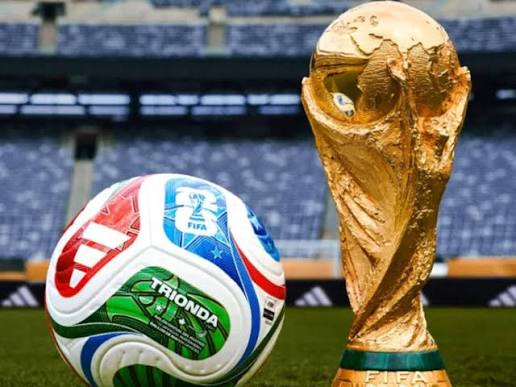


The FIFA World Cup 2026 is set to be one of the biggest editions in the history of international football. The tournament will bring together national teams from across the world for a month of high-profile matches, dramatic moments and intense competition. Unlike previous editions, this tournament introduces an expanded 48-team format, creating more opportunities for nations to participate on football’s biggest stage while also adding a new structure for the group phase.
Another major feature of the FIFA World Cup 2026 is its three-country hosting arrangement. Canada, Mexico and the United States will jointly stage the tournament, making it the first World Cup hosted across three nations. The enormous geographic scale of North America means that supporters will experience different cities, cultures and football environments throughout the competition. From established football centers to rapidly developing markets, the tournament is expected to create a diverse atmosphere around every match.
The expanded competition also means that the event will offer more matches and more stories to follow. Established football powers will aim to challenge for the trophy, while emerging national teams will have an opportunity to make a lasting impression. For supporters, the tournament represents more than a sporting competition; it is a global event bringing together different football traditions, communities and generations.
What Makes the FIFA World Cup 2026 Different?
The most important structural change is the expansion from 32 participating teams to 48. This increases the number of nations involved and changes the way the opening stage works. The tournament will feature 12 groups of four teams, with the top two teams from each group progressing alongside the eight best third-placed teams. This creates a Round of 32 before the knockout competition continues toward the final.
The larger format provides additional opportunities for countries that have historically found World Cup qualification difficult. For supporters, it also means more matches and a greater variety of football styles. At the same time, teams will need to manage the competition carefully because progression through the group stage will depend on points, goal difference and other competition rules where required.
The FIFA World Cup 2026 will therefore have a noticeably different rhythm compared with recent tournaments. The opening stage will involve a large number of matches, while the knockout rounds will gradually narrow the field. Once the competition reaches the elimination phase, every match becomes decisive, increasing the pressure on players and coaches.
The Three Host Nations
Canada, Mexico and the United States will share hosting responsibilities for the tournament. This arrangement gives the competition a distinctive North American identity while also allowing matches to take place across a wide geographical area.
Mexico’s involvement is particularly significant because it will become the first country to host matches at three different editions of the men’s World Cup. The country has a long football tradition and has previously staged major matches at famous venues. Canada, meanwhile, represents an important expansion of the men’s football profile in a country where the sport has experienced substantial growth. The United States brings a large sports market, modern infrastructure and a broad network of major metropolitan areas.
The distribution of matches across the three countries will also expose international supporters to very different environments. Cities will have their own local culture, food, transportation systems and football communities. This variety is likely to become one of the defining characteristics of the tournament.
How the 48-Team Format Works
The expanded format requires supporters to understand a new group-stage system. Rather than eight groups of four, there will be 12 groups containing four teams each. Every team will play three group matches, creating an initial stage in which consistency is extremely important.
The top two teams from each group will qualify for the knockout phase. In addition, the eight strongest third-placed teams will also advance. This means a team could potentially progress despite finishing third, depending on its points and relevant tiebreaking criteria.
| Tournament Feature | FIFA World Cup 2026 |
|---|---|
| Host countries | Canada, Mexico and United States |
| Participating teams | 48 |
| Group-stage groups | 12 |
| Teams per group | 4 |
| Teams advancing | 32 |
| Knockout opening round | Round of 32 |
| Competition type | International men’s football |
This structure gives the opening matches considerable importance. A strong start can put a team in an excellent position to advance, while a poor result can create pressure in the remaining fixtures. The possibility of third-place qualification adds another strategic dimension because teams may remain in contention even after failing to finish in the top two.
Teams and Qualification
Qualification for the tournament involves the world’s football confederations competing through their respective regional systems. The increased number of places means that more national teams have a pathway toward the finals than in previous editions. Qualification remains a major achievement because countries must navigate competitive regional campaigns before reaching the main event.
For established football nations, qualification is often considered an expected objective, but the process can still produce surprises. International football has a relatively small margin for error, and individual matches can dramatically influence a qualification campaign. For developing teams, reaching the tournament can represent a historic achievement and provide valuable exposure to high-level international competition.
The expanded FIFA World Cup 2026 field is also expected to create opportunities for nations that have rarely appeared at the tournament. Their participation can broaden the global audience and introduce supporters to players and football cultures they may not regularly encounter.
Major Venues and Matchday Experience
The tournament will be played across a collection of major stadiums in Canada, Mexico and the United States. These venues vary significantly in size, design and local sporting culture. Some are closely associated with football, while others have traditionally hosted major American sports and large-scale entertainment events.
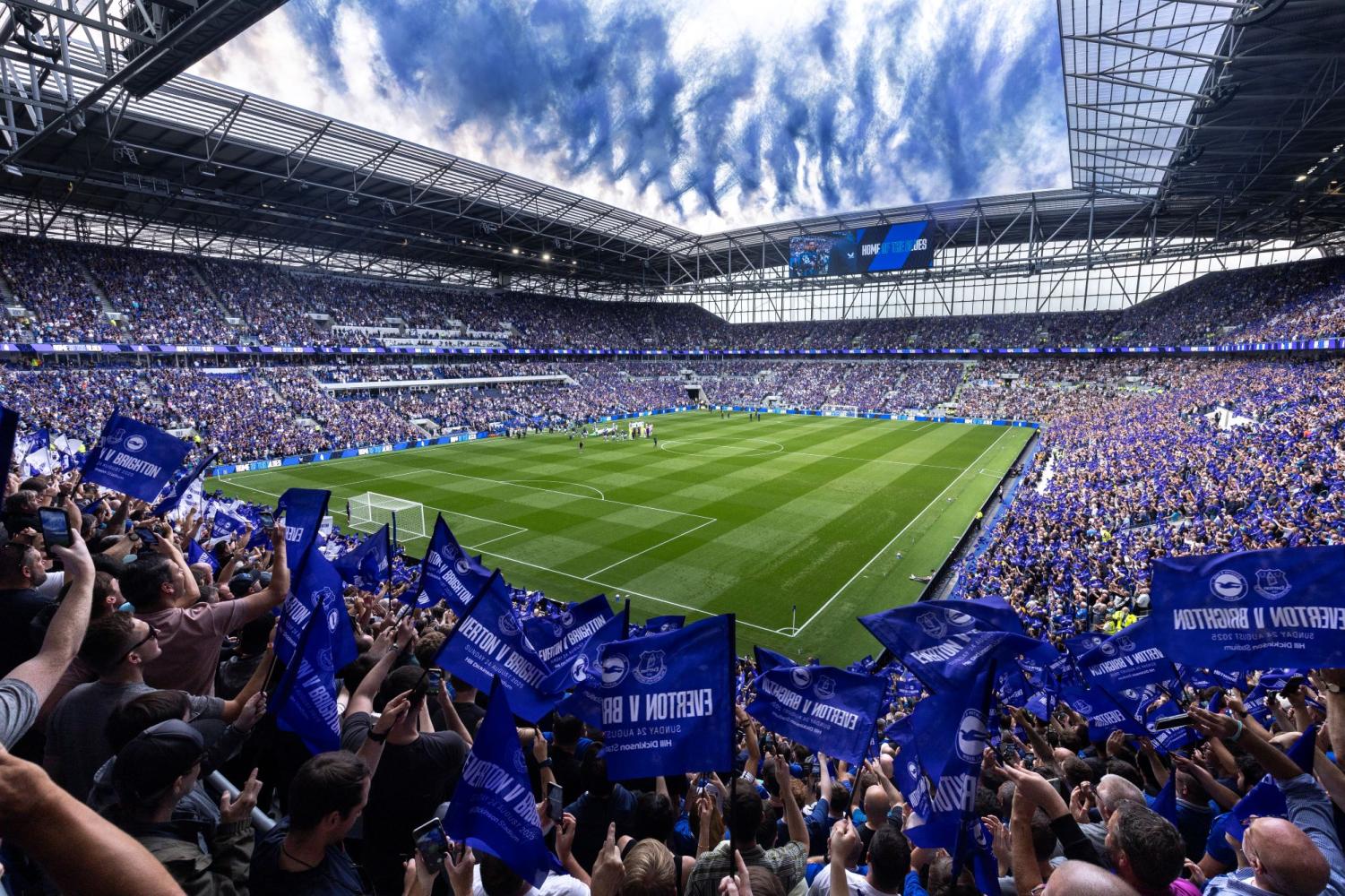
For supporters attending matches, the experience will extend beyond the 90 minutes on the pitch. Large international tournaments create fan zones, public gatherings, cultural celebrations and informal football communities around host cities. Supporters from different nations often meet in city centers and public spaces, creating an atmosphere that can become as memorable as the matches themselves.
Travel will be an important consideration because of the geographical distance between host locations. Fans planning to attend several games may need to account for flights, accommodation, transportation and differences in local conditions. Unlike a tournament concentrated within one country, this edition requires greater logistical planning.
What Supporters Can Expect
The FIFA World Cup 2026 is expected to attract supporters with very different interests. Some will follow a particular national team, while others will focus on individual players, tactical battles or the excitement of knockout football. The expanded tournament provides additional opportunities for casual viewers to discover new teams and players.
The tournament will also create substantial digital engagement. Football supporters increasingly follow matches through live statistics, social platforms, short-form video, tactical analysis and real-time discussions. This means the World Cup experience is no longer limited to watching a television broadcast. Fans can follow multiple matches, compare performances and participate in conversations with supporters around the world.
For younger audiences, the tournament could also introduce a new generation of fans to international football. Major tournaments often create lasting memories through unexpected goals, breakthrough players and dramatic knockout matches. The broader 48-team field increases the number of possible stories that can develop throughout the competition.
Key Things to Watch During the Tournament
Several elements could shape the overall character of the competition:
- How established football nations adapt to the expanded tournament structure.
- Whether emerging teams can take advantage of additional qualification opportunities.
- How players and coaches manage the demands of a large international competition.
- The influence of home support across the three host nations.
- Which young players make a major impact on the global stage.
These factors demonstrate why international tournaments are difficult to predict purely from previous records. A team’s preparation, injuries, tactical decisions and ability to respond under pressure can all influence individual matches.
The Role of Tactical Preparation
Modern international football has become increasingly sophisticated, with coaching staffs using detailed analysis to prepare for opponents. Because national teams have less regular training time together than club sides, coaches must communicate tactical ideas quickly and efficiently.
The FIFA World Cup 2026 will provide an interesting tactical environment because teams from different football cultures will meet throughout the tournament. European sides may bring possession-focused systems, South American teams can combine technical ability with tactical flexibility, while teams from other regions may emphasize athleticism, organization or rapid transitions.
Knockout football creates another challenge. A team that performs well during the group stage may encounter a completely different tactical problem in the elimination rounds. Coaches must therefore be capable of adjusting their approach rather than relying on one fixed system.
Players Who Could Define the Tournament
Every World Cup creates a platform for established stars and emerging talents. Some players arrive with years of international experience and enormous expectations, while others enter the competition with relatively little global recognition. The tournament can transform the reputation of a player almost overnight.
Experienced stars may be expected to provide leadership when matches become tense. Younger players, meanwhile, can bring energy, creativity and unpredictability. Their performances may influence not only their national teams but also their future careers at club level.
The FIFA World Cup 2026 is particularly interesting in this regard because the expanded tournament creates more matches and more opportunities for individual performances to gain worldwide attention. A player who performs consistently across several rounds could become one of the defining names of the competition.
Economic and Cultural Impact
Hosting a tournament of this scale can have effects that extend beyond football. Host cities may experience increased tourism, hospitality demand and international attention. Restaurants, hotels, transportation providers and local businesses can all become part of the wider tournament economy.
There is also a cultural dimension. International football brings together people who may have little in common apart from their support for a national team. Streets, stadiums and public spaces can become meeting points for different languages and traditions. This creates opportunities for cultural exchange and gives host cities a chance to present themselves to a global audience.
For football itself, the tournament can accelerate interest in regions where the sport is growing. Greater exposure to international competition can encourage young players to participate, inspire new supporters and strengthen local football infrastructure.
Why the Tournament Matters for Global Football
The significance of the FIFA World Cup 2026 goes beyond the number of teams participating. The expanded format reflects the continuing globalization of football. More nations will have the chance to experience the pressure and visibility associated with the world’s most prestigious international football competition.

For countries making their first or long-awaited appearance, qualification can become a landmark moment in sporting history. For traditional powers, the larger field introduces new opponents and different challenges. This combination can make the tournament more diverse and less predictable from a viewer’s perspective.
The three-host arrangement also demonstrates how large sporting events are evolving. Instead of being centered around a single national market, major tournaments can involve multiple countries and enormous audiences. The 2026 edition will therefore serve as an important example of how international sport operates on a continental scale.
The Knockout Stage and Road to the Final
Once 32 teams remain, the tournament enters the Round of 32. From that point onward, each match becomes an elimination contest. There is no opportunity to recover from a poor performance in the next group fixture because one defeat can end a team’s campaign.
The knockout format creates some of football’s most memorable moments. Extra time, penalty shootouts, late goals and tactical changes can completely alter the direction of a match. Teams that remain calm under pressure often find ways to survive difficult situations, while even a small mistake can have enormous consequences.
As the tournament progresses through the Round of 16, quarter-finals and semi-finals, the number of remaining teams decreases rapidly. The final then brings together the two surviving sides in a match that can define careers and national sporting history.
Conclusion
The FIFA World Cup 2026 represents a major new chapter for international football. With 48 teams, a redesigned group stage and three host nations, the tournament will look and feel different from the World Cups that came before it. Its expanded structure creates more opportunities for nations to participate while giving supporters a larger collection of matches, players and stories to follow. The tournament’s significance also comes from its global reach. Canada, Mexico and the United States will provide three different hosting environments, while teams from across the football world will compete for the most prestigious prize in international football. The combination of established powers, emerging nations, experienced stars and young talent should create a competition filled with different styles and narratives.