

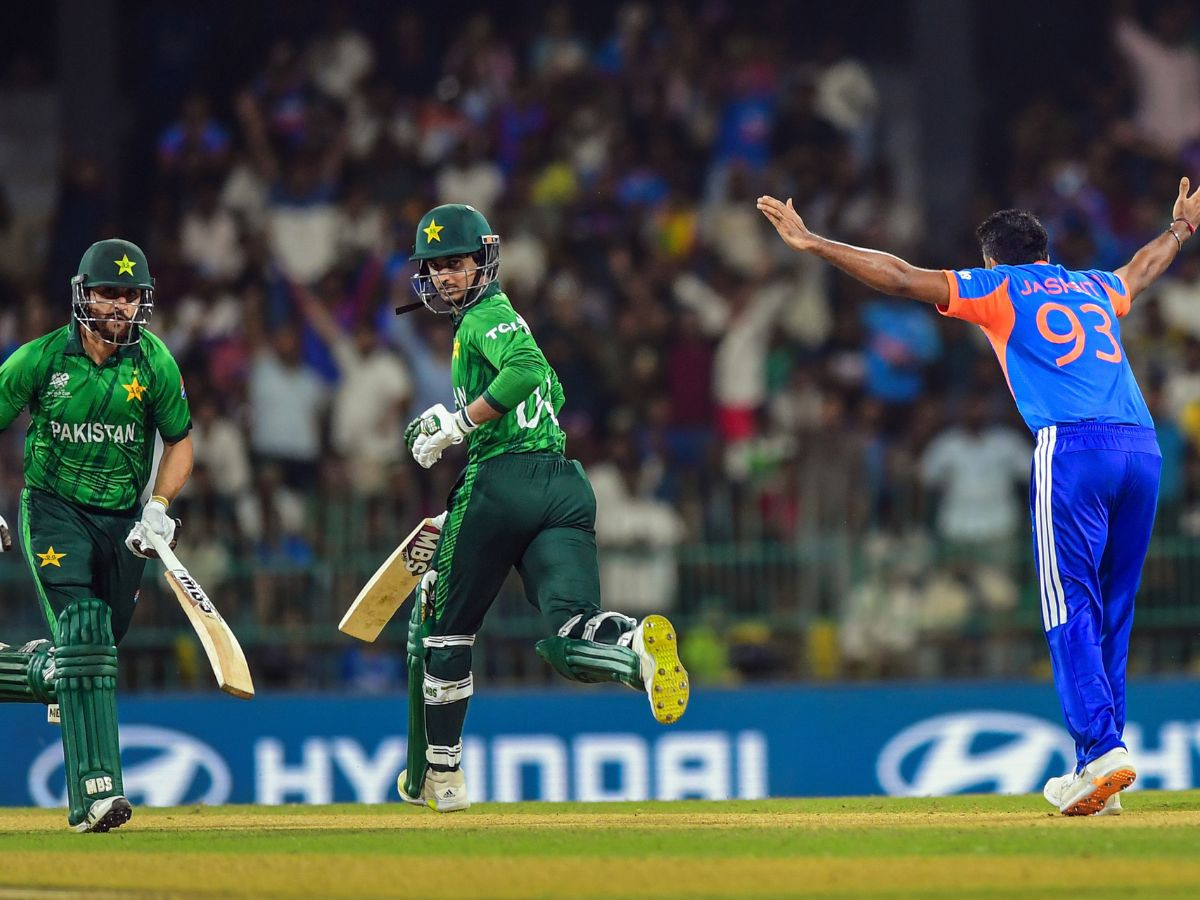


The rivalry between India and Pakistan is once again at the centre of international cricket attention, with the two teams set to meet in the men’s cricket gold-medal match at the Asian Games 2026. The final is scheduled for October 3 at Korogi Sports Park in Nisshin, Japan, creating another high-profile chapter between two sides whose encounters regularly attract enormous interest. Both teams have reached the final unbeaten, adding another layer of significance to an already closely watched contest.
The current IND vs PAK contest also comes at an interesting point in the international calendar. India entered the Asian Games as defending champions after winning gold in Hangzhou, while Pakistan have also progressed through the competition without a defeat. Their paths to the final were different because rain disrupted the quarter-final stage, but both teams successfully handled their semi-final assignments and earned their places in the title match.
For cricket followers, this final is about more than the traditional rivalry. It provides an opportunity to see how players handle a short-format international match where a medal is at stake. With limited room for recovery and momentum changing quickly in T20 cricket, batting intent, bowling variations, fielding standards and decision-making during pressure moments could all have an important role.
IND vs PAK Asian Games 2026 Final: Match Context
The road to the final was unusual for both teams because persistent rain affected the men’s cricket competition in Nagoya. India were scheduled to face Afghanistan in the quarter-final, while Pakistan were due to play Hong Kong, China. Both matches were abandoned without a ball being bowled, and the higher-seeded teams advanced according to the tournament rules. This meant that neither side needed to play a quarter-final before reaching the last four.
India then produced a powerful performance against Sri Lanka in the semi-final. India posted 169/7 before dismissing Sri Lanka for 45 in 9.5 overs, completing a 124-run victory. Ishan Kishan made an unbeaten 80 from 46 deliveries, while India’s bowling attack maintained pressure throughout the chase. Pakistan, meanwhile, defeated Bangladesh by six wickets in a rain-reduced semi-final, chasing 112 in 11.3 overs after Bangladesh scored 111/7 from 13 overs.
These contrasting semi-final performances make the final particularly interesting. India demonstrated strong control with both bat and ball, while Pakistan had to adapt to a shortened contest where the required scoring rate became an immediate priority. The final should provide a fuller test of both teams because the match is scheduled as the tournament’s gold-medal contest.
India’s Road to the Gold-Medal Match
India arrived in Japan as the defending Asian Games men’s cricket champions. Their previous gold came at the 2023 Hangzhou Asian Games, and the 2026 campaign has given another opportunity to build on that achievement. The team’s progression was initially interrupted by weather, but the semi-final against Sri Lanka provided a much clearer indication of its capabilities in the tournament.
The batting performance against Sri Lanka was particularly notable. Reaching 169/7 gave India a strong platform, while Ishan Kishan’s unbeaten 80 provided the innings with acceleration and stability. Rather than relying entirely on one phase of the innings, India were able to build a competitive total and then use their bowling attack to close the match quickly. The 45 all-out finish showed how dramatically momentum can shift in a T20 match when a bowling unit establishes control early.
For the final, India’s challenge will be to reproduce that intensity against a Pakistan side with its own strengths in short-format cricket. A strong opening partnership could be important because an early scoring surge can influence the entire structure of a T20 innings. At the same time, India’s bowlers will need to remain disciplined because Pakistan’s batting lineup can benefit significantly when it gets freedom during the powerplay.
Pakistan’s Route to the Final
Pakistan also reached the gold-medal match without losing a game. Their quarter-final against Hong Kong was abandoned because of rain, allowing Pakistan to advance as the higher-seeded team. Their semi-final against Bangladesh was then reduced by weather, creating a contest where the teams had fewer overs to work with and every scoring opportunity became more valuable.
Pakistan responded effectively to those conditions. Bangladesh made 111/7 in 13 overs, but Pakistan chased the revised target in only 11.3 overs and won by six wickets. That result demonstrated the importance of adapting quickly when a T20 match is shortened. Rather than approaching the chase like a conventional full-length innings, Pakistan had to maintain a higher tempo while also protecting wickets.
The final presents a different challenge because Pakistan will be facing India’s bowling attack and a side that has already shown considerable control in this tournament. Pakistan’s ability to judge the conditions, establish a reliable opening platform and keep wickets in hand could shape the middle overs. Their bowlers will likewise need to find ways to slow India’s scoring without giving away too many boundary opportunities.
Key Match Details
The following table summarizes the main information available ahead of the gold-medal match:
| Match Detail | Information |
|---|---|
| Competition | Asian Games 2026 Men’s Cricket |
| Match | Pakistan vs India |
| Stage | Gold-medal final |
| Date | October 3, 2026 |
| Venue | Korogi Sports Park, Nisshin, Japan |
| Format | T20I |
| Tournament status | Both teams unbeaten heading into the final |
The official ICC match centre lists Pakistan against India as the Asian Games men’s T20I final at Korogi Sports Park in Nisshin on October 3.
Why the Final Could Be Decided by the Powerplay
In a T20 match, the opening six overs can establish the direction of the entire innings. The batting team has an opportunity to exploit fielding restrictions, but taking excessive risks can also lead to early wickets. That balance becomes particularly important in a high-pressure final because losing two or three wickets quickly can force the middle order to change its approach.

The IND vs PAK final could therefore feature an intense battle between aggressive opening batting and disciplined new-ball bowling. India will want to make maximum use of the powerplay without exposing the middle order too early. Pakistan will have a similar objective. The side that manages to combine boundary scoring with wicket preservation may create a stronger platform for the final ten overs.
The powerplay is also important from a bowling perspective. A team that concedes too many runs early may have to use defensive field settings sooner than planned. Conversely, early wickets can allow the bowling captain to attack more aggressively through the middle overs. This makes the opening phase one of the most fascinating tactical areas of the final.
Middle Overs Could Become the Tactical Battleground
Once the powerplay ends, spinners and change-of-pace bowlers can become increasingly important. Batters need to rotate the strike while identifying which deliveries can be attacked. At the same time, captains have to decide when to introduce their strongest wicket-taking options and when to preserve them for the closing overs.
India’s semi-final against Sri Lanka showed how effectively a team can use sustained pressure to turn a competitive match into a one-sided result. Pakistan, however, will bring a different challenge. Their semi-final victory over Bangladesh demonstrated their ability to accelerate during a shortened chase. The middle overs may therefore determine whether either side can build enough momentum for a strong finish.
Fielding could also become decisive during this stage. In closely balanced T20 games, a single dropped catch, misfield or direct-hit opportunity can alter the expected course of an innings. With a medal on the line, maintaining concentration for every delivery will be just as important as producing spectacular individual performances.
Players and Matchups to Watch
India’s semi-final performance placed Ishan Kishan firmly among the players attracting attention before the final. His unbeaten 80 from 46 balls provided both stability and attacking momentum against Sri Lanka. His ability to score quickly while remaining at the crease can be valuable in a final where a strong total may depend on one batter carrying an innings through a significant portion of the middle and closing overs.
India also have a group of experienced international players in their tournament squad, including Jasprit Bumrah, Axar Patel, Sanju Samson, Washington Sundar, Abhishek Sharma, Arshdeep Singh and Shreyas Iyer. The presence of players with experience in different match situations gives India several possible combinations depending on pitch and conditions.
Pakistan’s strength will similarly depend on how its batting and bowling units work together rather than on one individual. The semi-final against Bangladesh showed that the team could adjust to a reduced number of overs and still complete the chase efficiently. Against India, that flexibility could be especially valuable because T20 finals can change direction within only a few deliveries.
Key areas to watch include:
- Opening partnerships and powerplay scoring.
- Spin versus aggressive middle-order batting.
- Death-over bowling and boundary prevention.
- Fielding under sustained pressure.
The Importance of Conditions in Nisshin
The match is being played at Korogi Sports Park in Nisshin, Japan, a venue that has hosted the Asian Games cricket competition. Weather has already affected the tournament significantly, with multiple quarter-final matches abandoned because of rain. That history means conditions could remain an important consideration for both teams.
A shortened match would naturally change the tactical equation. Batters would have less time to build an innings, while bowlers would need to make an immediate impact. Captains would also have fewer opportunities to correct tactical mistakes. The teams therefore need to be prepared for more than one possible match scenario.
If the game proceeds for the full scheduled duration, the focus is likely to move toward conventional T20 strategy: powerplay exploitation, middle-over control and death-over acceleration. If weather intervenes, however, adaptability could become even more important than pre-match planning.
IND vs PAK and the Bigger Cricketing Picture
The importance of the IND vs PAK meeting extends beyond the Asian Games because encounters between the two teams are comparatively limited in international cricket. Whenever they meet, the event receives substantial attention from supporters, broadcasters and the wider cricket community. A gold-medal match adds a clear sporting objective to that familiar rivalry.
The final also arrives after an active period of international cricket between the teams. India and Pakistan were drawn into the same group at the ICC Men’s T20 World Cup 2026, whose competition format placed both teams in Group A. The tournament schedule reflected the continued significance of their meetings in global cricket.
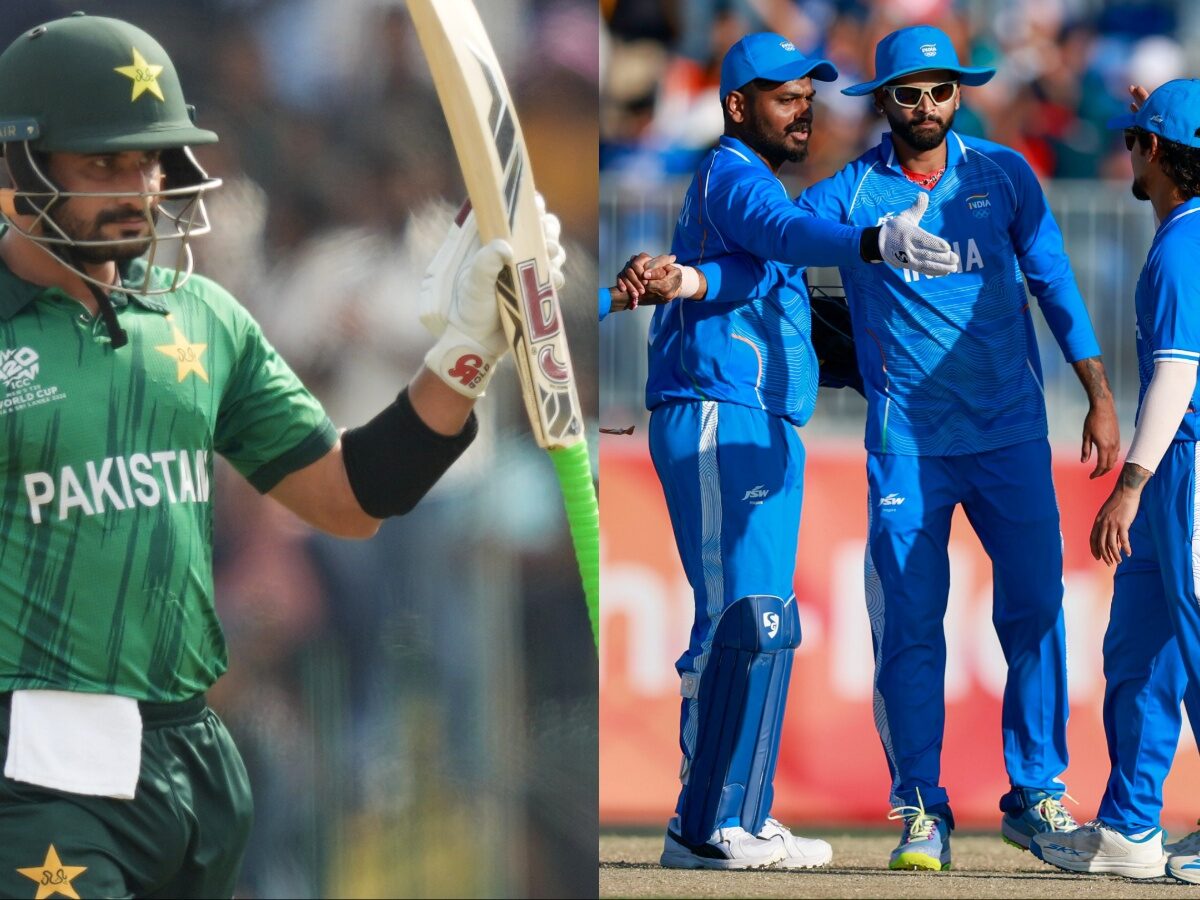
Looking beyond the Asian Games, the teams are also part of the broader preparation cycle for future major tournaments. The ICC has already announced the 2027 Men’s Cricket World Cup schedule, with India and Pakistan placed in Group A and scheduled to meet on October 10, 2027, in Johannesburg.
That future fixture illustrates how the rivalry will continue to feature prominently in major international competitions. However, the immediate focus remains the Asian Games final and the opportunity for both teams to finish the tournament with a gold medal.
What to Expect From the Final
The most compelling aspect of this contest is the uncertainty created by the T20 format. A team can dominate for 15 overs and still find itself under pressure after a sudden sequence of boundaries or wickets. That volatility means the final could be decided by a relatively short passage of play rather than by overall control throughout the match.
India will enter the final after an emphatic semi-final performance, while Pakistan will bring the confidence of successfully navigating a rain-affected knockout match. Neither side has lost in the tournament, so the final represents the first time in this competition that their paths directly intersect.
The key will be execution. Big names can attract attention, but finals are often shaped by relatively simple cricketing details: running between the wickets, protecting boundaries, taking catches, bowling to plans and choosing the right moment to attack. The team that handles those moments most effectively will give itself the strongest opportunity to control the match.
Conclusion
The IND vs PAK Asian Games 2026 final brings together two unbeaten teams with contrasting but highly competitive routes to the gold-medal match. India enter the contest as defending champions and produced an outstanding semi-final against Sri Lanka, while Pakistan successfully defeated Bangladesh in a rain-reduced semi-final. Both sides have therefore demonstrated their ability to respond to different tournament conditions.