

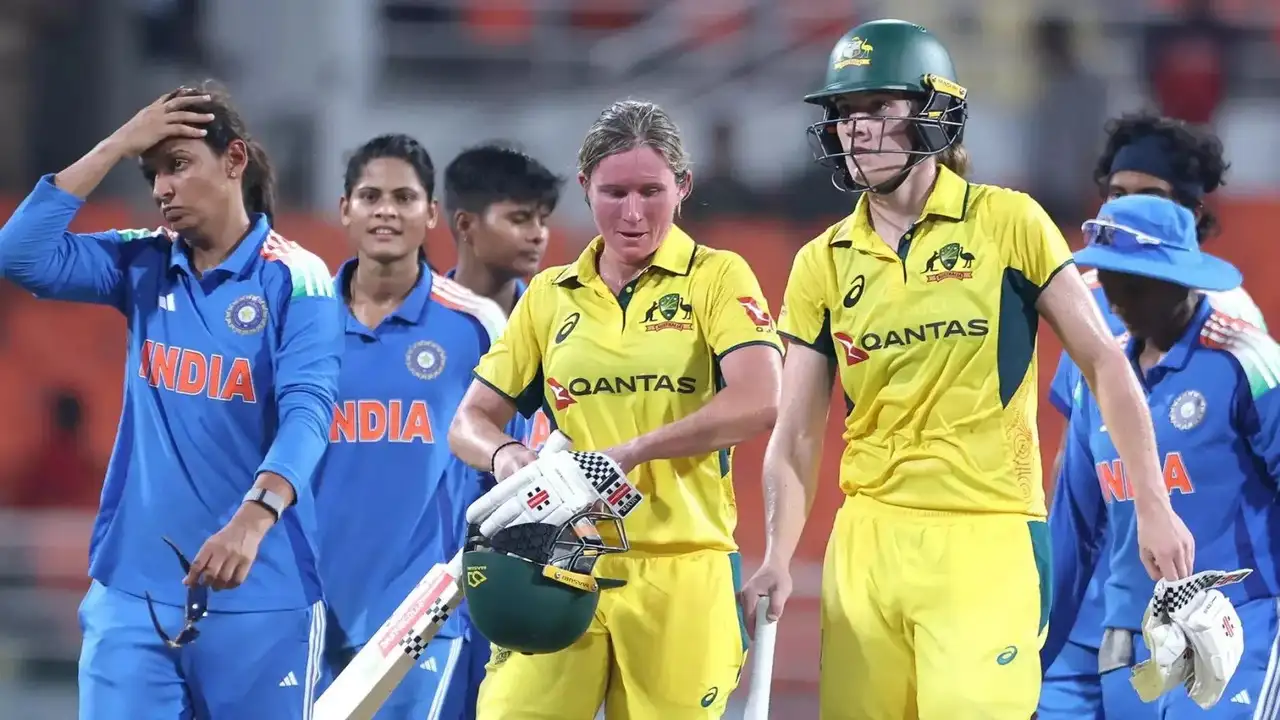

Women’s cricket has grown into a major international sport, attracting passionate audiences, competitive teams, and players who continue to raise performance standards. Among the most compelling contests in the women’s game is ind vs aus women, a rivalry that brings together two highly competitive sides with different cricketing traditions, tactical approaches, and strengths. Whenever India and Australia meet, fans can expect a contest in which batting depth, bowling discipline, fielding standards, and the ability to handle pressure all play important roles.
India’s women’s team has developed a strong reputation for producing technically skilled batters, versatile all-rounders, and bowlers capable of changing a match during crucial overs. Australia, meanwhile, have built an impressive record through consistent performances, athletic fielding, adaptable batting, and a deep pool of experienced international players. Their encounters are significant not only because of the results but also because they demonstrate how women’s cricket continues to evolve across formats.
The interest in these matches extends beyond the final score. Supporters follow squad announcements, player form, toss decisions, pitch conditions, and tactical adjustments throughout a series. Understanding these elements makes the contest more interesting and helps readers appreciate the preparation behind international cricket. Whether the teams meet in a Test, One Day International, or Twenty20 International, their rivalry provides plenty of opportunities for memorable performances and closely fought cricket.
Latest India vs Australia Women Cricket Scenario
The latest major meeting between the two teams came during the ICC Women’s T20 World Cup on 28 June 2026 at Lord’s in London. India scored 170 for four after a late attacking innings from Harmanpreet Kaur, who made 56 runs. Australia chased the target successfully, reaching 172 for four in 19 overs to win by six wickets. Ellyse Perry scored 56 off 38 deliveries, while Ashleigh Gardner contributed an unbeaten 53 from 29 balls. Their partnership of exactly 100 runs became the decisive phase of the match.
This result was particularly important because India needed a victory to secure a place in the semi-finals, while Australia finished the group stage unbeaten. The match demonstrated how quickly momentum can shift in T20 cricket. India had established a competitive total, but Australia’s experienced middle order combined controlled batting with aggressive stroke play to complete the chase. For followers of ind vs aus women, this encounter offered a clear example of the importance of partnerships, finishing ability, and composure under pressure.
The History and Importance of the Rivalry
India and Australia have developed a significant rivalry through decades of international women’s cricket. Australia established themselves as a leading force through their consistency in major tournaments, strong domestic development, and ability to produce match-winning performers across generations. India have steadily strengthened their position through improved infrastructure, greater professional opportunities, and the emergence of players who can compete against the world’s strongest teams.
Their contests are important because they test different aspects of cricketing ability. Indian batters often bring a combination of timing, wrist work, and creative stroke selection, while Australia’s approach has frequently featured aggressive intent, disciplined bowling, and excellent fielding. These are broad tendencies rather than fixed rules, since both teams can adapt to different conditions. A match may be decided by an opening partnership, a spell of accurate bowling, or a single over in which the batting side scores enough runs to change the required rate.
The rivalry also carries significance for the development of women’s cricket. High-profile matches attract new supporters, inspire young players, and encourage greater attention to domestic competitions. Strong performances against an established opponent can provide confidence to emerging cricketers and show that success depends on preparation, teamwork, and tactical awareness rather than reputation alone.
Key Indian Players to Watch
India’s batting lineup has traditionally relied on a mixture of experienced players and attacking young talent. Smriti Mandhana is known for her elegant stroke play, timing through the off side, and ability to score quickly when she finds rhythm. Shafali Verma brings a more aggressive approach at the top of the order, often looking to put pressure on bowlers during the powerplay. Their contrasting styles can help India establish a strong foundation, although the effectiveness of an opening partnership always depends on conditions and the opposition’s bowling plans.
Harmanpreet Kaur has been an influential figure in India’s middle order, combining power with experience in demanding situations. Her ability to accelerate after assessing the conditions can be valuable in both limited-overs formats. Richa Ghosh adds attacking potential as a wicketkeeper-batter, particularly during the closing overs, while Deepti Sharma offers all-round value through batting, spin bowling, and game awareness. Player roles and responsibilities can change with team selection, fitness, and leadership decisions, so the final playing XI remains important.
India’s bowling attack is equally significant. Fast bowlers aim to use swing, seam movement, and variations in pace to restrict scoring, while spinners can exploit changes in the pitch and force batters to take calculated risks. Deepti Sharma and other specialist spin options can be especially useful when conditions support slower bowling. The challenge is to maintain control without becoming too predictable, particularly against Australian batters who are comfortable rotating the strike and attacking loose deliveries.
Key Australian Players to Watch
Australia have long benefited from a deep pool of international talent, with experienced batters, versatile all-rounders, and bowlers capable of performing different roles. Ellyse Perry has been one of the country’s most recognised players, offering technical reliability with the bat and a history of contributions with the ball. Her performance against India at Lord’s in June 2026 demonstrated how an experienced batter can build an innings carefully before accelerating when the target becomes achievable.
Ashleigh Gardner is another important player because she can influence a match in multiple ways. Her power hitting makes her dangerous during a chase, while her off-spin provides an additional bowling option. Beth Mooney is known for her ability to construct innings and manage pressure, making her valuable when early wickets fall or a chase requires careful pacing. Phoebe Litchfield and other emerging batters provide further depth, allowing Australia to combine established experience with younger attacking talent.
Australia’s bowling strength comes from having different options for different stages of a match. Their fast bowlers can target early breakthroughs, while spinners such as Alana King and Georgia Wareham can create pressure through variations in flight, pace, and length. Effective fielding supports these plans by saving runs and converting difficult chances. Against India, Australia’s challenge is to disrupt partnerships early and avoid allowing the middle order to dictate the final overs.
India vs Australia Women: Match Formats Explained
The format makes a major difference to how these teams approach their contests. A Test match rewards patience, technical defence, endurance, and the ability to adapt over several days. An ODI requires a balance between building an innings and maintaining a scoring rate across 50 overs. T20 cricket places greater emphasis on rapid decision-making, innovative shots, and bowlers who can execute variations under intense pressure.
| Match format | Main challenge | What fans should watch |
|---|---|---|
| Test cricket | Sustained performance over several days | Batting technique, bowling spells, and endurance |
| Women’s ODI | Balancing wickets with scoring rate | Partnerships, middle overs, and final-over acceleration |
| Women’s T20I | Scoring quickly while controlling risk | Powerplay runs, death bowling, and fielding |
These differences explain why a team that dominates one format may encounter a very different challenge in another. A batter who builds a long innings in an ODI may need to attack earlier in a T20I, while a bowler must adjust lengths and variations according to the format. Test cricket rewards patience and repeated pressure, whereas short-format matches can change dramatically within a handful of deliveries.
Tactical Battles That Can Decide the Match
One of the most interesting aspects of ind vs aus women is the tactical battle between the opening batters and the new-ball bowlers. During the powerplay in limited-overs cricket, Australia may look to attack early with pace and disciplined field placements, while India may try to exploit scoring opportunities through timing and placement. A wicket during this phase can force the batting side to change its original plan. Conversely, a strong opening partnership can allow the middle order to play with greater freedom.
The middle overs are often equally important. Teams must decide whether to prioritise strike rotation or attack boundaries, depending on the scoreboard and wickets remaining. Spinners can slow the scoring rate by targeting the stumps and varying their pace, but batters who read these changes well can use sweeps, footwork, and shots into gaps to keep the innings moving. In the final overs, execution becomes critical. Bowlers need accurate yorkers, well-directed slower balls, and sensible field placements, while batters must identify the deliveries they can attack without taking unnecessary risks.
Pitch Conditions, Weather, and Toss Decisions
Pitch conditions can influence the balance between bat and ball. A flat surface with consistent bounce generally helps batters play attacking shots, while a slower pitch may reward spinners and bowlers who vary their pace. Grass coverage and moisture can sometimes assist seam movement early in a match, although the actual effect depends on the venue and weather. Teams study these conditions before deciding on their combination of fast bowlers, spinners, and all-rounders.
The toss can also affect strategy, particularly in limited-overs matches where dew may make bowling more difficult later in the evening. A captain might prefer chasing if the conditions are expected to improve for batting, but setting a total can be advantageous when the surface is likely to slow down. Neither decision guarantees success. The quality of execution, the ability to adjust during the innings, and the management of pressure usually matter more than the toss alone.
How Fans Can Follow India vs Australia Women
Supporters interested in upcoming fixtures should distinguish between confirmed schedules, provisional reports, and completed results. International calendars can change because of tournament requirements, weather, player availability, or administrative decisions. Checking the match date, venue, format, and squad announcement helps avoid confusion, particularly when several women’s international series are taking place around the same time.


For those following ind vs aus women, the most useful match information includes the playing XI, toss result, live score, individual batting and bowling figures, and the required run rate during a chase. Scorecards provide context that a final result alone cannot explain. For example, a six-wicket victory may appear comfortable, but the partnership sequence and scoring rate can reveal whether the chasing team was under pressure before taking control.
Fans can also learn more by comparing performances across formats rather than judging players from a single innings. A batter’s contribution may involve building a foundation rather than scoring the most runs, while a bowler who takes only one wicket might still have a major impact by limiting boundaries. These details help explain why cricket is a team sport in which individual statistics are most meaningful when considered alongside match circumstances.
What the Rivalry Means for the Future of Women’s Cricket
The continuing competition between India and Australia reflects the growing depth of international women’s cricket. More professional opportunities, stronger domestic structures, and increased exposure to high-level competition have helped players develop a wider range of skills. Young cricketers now have more examples of successful international careers to study, from technically accomplished batters to all-rounders who contribute in every department.
India’s long-term challenge is to maintain consistency against top-ranked opponents while developing players who can perform under pressure across all formats. Australia’s challenge is to sustain its standards while integrating emerging talent and adapting to increasingly competitive opposition. Both teams must continually refine their strategies as conditions, player roles, and tactical expectations evolve. These demands make their encounters valuable tests of preparation and adaptability.
Conclusion
India and Australia remain important opponents in women’s international cricket, bringing together skilled players, different tactical strengths, and a history of competitive matches. Their meetings offer more than an opportunity to compare scores; they reveal how partnerships, bowling changes, fielding, and decision-making shape outcomes. The June 2026 Women’s T20 World Cup encounter, in which Australia chased down India’s 170-run total, illustrated how quickly a match can turn when experienced players build a decisive partnership.