

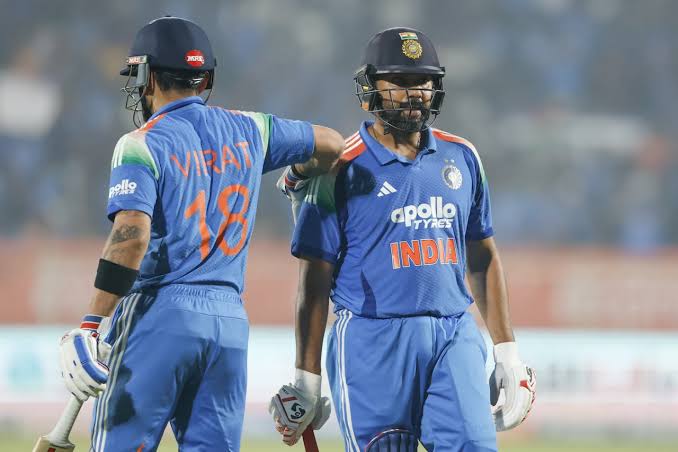


The Vijay Hazare Trophy is one of India’s most important domestic cricket tournaments, providing a platform for talented players to demonstrate their skills in 50-over cricket. Fans, analysts, fantasy cricket enthusiasts, and aspiring cricketers often look for Vijay Hazare Trophy stats to understand team performances, batting records, bowling achievements, and the players who have made a lasting impact on the competition.
This guide explains how to understand tournament statistics, which records matter most, how team and individual performances are evaluated, and what to look for when comparing seasons. It also explores the tournament’s format, significance in Indian cricket, and the statistics that help readers assess performances beyond the final score.
What Is the Vijay Hazare Trophy?
The Vijay Hazare Trophy is India’s domestic List A cricket competition, played in the one-day format. Named after former Indian cricketer Vijay Hazare, the tournament brings together state teams and regional cricket associations competing for a major domestic title.
Matches generally follow the 50-over-per-side format, subject to the competition’s playing conditions. This makes the tournament an important environment for players preparing for international one-day cricket. Teams must balance aggressive batting, disciplined bowling, effective fielding, and tactical decision-making across a full innings.
The competition also gives selectors an opportunity to evaluate players who are performing consistently at domestic level. Strong performances can strengthen a player’s case for higher honours, although selection depends on several factors, including team requirements, fitness, consistency, and performance in other competitions.
Understanding Vijay Hazare Trophy Stats
When examining tournament statistics, it is important to distinguish between career records, individual-season performances, and match-specific figures. Each category offers a different perspective on a player’s contribution.
Batting statistics
Batting figures help explain how effectively a player scores runs and builds an innings. Important measurements include:
- Total runs: The number of runs scored across matches or a particular season.
- Batting average: Total runs divided by the number of times the batter has been dismissed.
- Strike rate: The number of runs scored per 100 balls faced.
- Centuries and half-centuries: Measures of how frequently a batter reaches significant individual milestones.
- Highest score: The batter’s largest individual innings in the competition or season.
- Boundary count: Fours and sixes that indicate how a player scores quickly and applies pressure.
These numbers are most useful when considered together. A batter with a high average may provide consistency, while a strong strike rate can indicate the ability to accelerate during the middle and final stages of an innings.
Bowling statistics
Bowling figures show how effectively a player restricts scoring and takes wickets. Key measurements include wickets taken, bowling average, economy rate, strike rate, best bowling figures, and maiden overs.
A bowler’s economy rate measures the average number of runs conceded per over. Bowling average measures runs conceded per wicket, while bowling strike rate indicates the average number of balls required to take a wicket.
For example, a bowler who takes wickets regularly while maintaining a controlled economy rate can be especially valuable in a 50-over match. However, the pitch, opposition quality, match situation, and role assigned to the bowler must also be considered.
Team performance statistics
Individual achievements do not tell the whole story. Team statistics help explain why some sides consistently reach the knockout stages while others struggle.
Useful team measurements include matches won and lost, points earned, net run rate, total runs scored, wickets taken, and successful run chases. Net run rate is particularly important in limited-overs competitions because it can influence standings when teams finish level on points, according to the tournament’s applicable rules.

Important Records to Explore
Vijay Hazare Trophy records cover several aspects of one-day cricket. Readers researching historical performances should distinguish all-time records from records achieved during a single season.
| Record category | What it tells you |
|---|---|
| Most career runs | Long-term batting contribution |
| Most runs in a season | Exceptional performance over one campaign |
| Highest individual score | The largest innings by a batter |
| Most centuries | Frequency of major batting contributions |
| Most career wickets | Long-term bowling effectiveness |
| Best bowling figures | Outstanding performance in an individual match |
| Highest team total | A team’s biggest run-scoring performance |
| Lowest team total | A particularly difficult batting performance |
| Most successful run chases | Ability to reach targets under pressure |
Exact record holders and numerical totals should be checked against a clearly defined season or historical record list before publication. Records can change as new editions are completed, so a statistic should always be presented with its season, competition scope, and source.
How to Evaluate the Best Batting Performances
A high run total is an important achievement, but it is not the only way to measure batting quality. Vijay Hazare Trophy stats become more informative when several indicators are evaluated together.
Consistency across matches
A batter who scores useful runs in most matches can be more dependable than someone whose season consists of one exceptional innings and several low scores. To assess consistency, examine the total runs, average, number of innings, dismissals, and frequency of scores above 30 or 50.
Strike rate and match situation
Strike rate must be interpreted according to the batter’s role. An opener may focus on building a foundation, while a middle-order batter may need to accelerate immediately after entering the match. A finisher may have fewer deliveries available and therefore require a more aggressive approach.
A score of 70 from 55 balls can have a different impact from 70 off 100 deliveries. The value of either innings depends on the target, pitch conditions, wickets remaining, and the scoring rate required.
Performance against strong opponents
Runs scored against competitive bowling attacks can offer useful evidence of a batter’s ability. However, opposition quality should be assessed carefully rather than assumed from a team’s reputation alone. Match context, conditions, and the batter’s responsibilities all contribute to a fair evaluation.
How to Assess Bowling Performances
The best bowling analysis looks beyond the total number of wickets. It examines how efficiently the bowler takes wickets, limits scoring, and performs in different phases of a match.
Powerplay bowling can be valuable because early wickets may disrupt a team’s planned innings. Middle-over bowlers often focus on controlling scoring and breaking partnerships. Death-over specialists must execute yorkers, slower balls, and other variations under pressure.
When comparing bowlers, consider the following:
- Wickets taken and bowling average.
- Economy rate and bowling strike rate.
- Performance in powerplays and death overs.
- Ability to dismiss top-order batters.
- Consistency across different grounds and conditions.
- Contribution in knockout matches.
A bowler who takes fewer wickets but consistently restricts scoring may still provide substantial value. Similarly, a bowler who claims several wickets in one match should be evaluated across the full season before being labelled the most consistent performer.
Why the Vijay Hazare Trophy Matters in Indian Cricket
The tournament plays an important role in developing India’s one-day cricket talent. It allows emerging players to compete against experienced domestic professionals and provides a setting in which performances can be evaluated over multiple matches.
For selectors, coaches, and team analysts, domestic one-day statistics can help identify players suited to particular roles. An opener who consistently produces strong starts, a middle-order batter who handles pressure, or a bowler who controls the final overs may attract attention for specific team requirements.
The competition also supports player development. Young cricketers learn to manage innings, adapt to changing pitch conditions, defend totals, chase targets, and perform under competitive pressure. These skills can be valuable throughout a player’s career.
For fans, the tournament offers a way to follow domestic cricket beyond international fixtures and the Indian Premier League. It can also reveal emerging talent before that player becomes widely known.
How to Compare Vijay Hazare Trophy Seasons
Comparing seasons requires a consistent approach. Raw totals can be misleading because players may have different numbers of matches, innings, or opportunities to bat and bowl.
Follow this process when comparing players or teams:
- Choose the same period: Compare players from the same season or use clearly defined career totals.
- Check opportunities: Consider matches played, innings completed, and balls faced.
- Compare multiple metrics: Combine batting average with strike rate, or wickets with economy rate and bowling average.
- Account for match conditions: Different pitches, weather, and ground dimensions can affect scoring and bowling.
- Review the opposition: Consider the quality and strength of the teams faced.
- Include match impact: Examine performances in close games, successful chases, and knockout fixtures.
This method creates a more balanced assessment than ranking players by one statistic alone. It is particularly useful when analysing emerging players whose appearances may be limited.

Common Mistakes When Reading Cricket Statistics
One common mistake is treating the highest run-scorer as automatically the best batter. Total runs depend partly on the number of matches played and opportunities received. Average, strike rate, consistency, and match impact provide additional context.
Another mistake is judging bowlers solely by wickets. A bowler’s economy rate and the runs conceded per wicket can reveal important differences between performances. Similarly, comparing statistics from different formats without adjustment can lead to inaccurate conclusions.
Readers should also avoid confusing a single-season record with a career record. A player may lead one edition’s batting charts without holding the tournament’s all-time run record. Historical statistics can also differ according to whether a database counts a particular match or stage of a competition.
For reliable analysis, use consistent definitions and verify the season, match category, and date on which the figures were recorded.
The Future of Domestic One-Day Cricket
The Vijay Hazare Trophy remains relevant because one-day cricket demands a combination of patience and aggression. Teams must establish partnerships, preserve wickets when necessary, accelerate at the right time, and adapt their bowling plans to different situations.
As statistical analysis becomes increasingly important in cricket, traditional figures such as runs and wickets can be combined with more detailed measurements, including phase-wise scoring, boundary percentage, dot-ball percentage, and performance during successful chases. These indicators help explain not only what happened but also how a performance influenced the match.
For fans following domestic cricket in India, keeping track of emerging batters, specialist bowlers, team standings, and season-by-season trends can make the competition more engaging. The most useful analysis combines verified numbers with an understanding of cricket tactics and match conditions.
Frequently Asked Questions About Vijay Hazare Trophy Stats
1. What are Vijay Hazare Trophy stats?
Vijay Hazare Trophy stats include batting runs, averages, strike rates, centuries, bowling wickets, economy rates, team totals, match results, and season standings. These figures help fans evaluate individual and team performances in India’s domestic List A competition.
2. Which batting statistics are most important in the Vijay Hazare Trophy?
Total runs, batting average, strike rate, centuries, half-centuries, and highest individual score are key measurements. Evaluating several statistics together gives a more complete picture of a batter’s consistency and effectiveness.
3. Which bowling statistics should fans check?
Fans should examine wickets, bowling average, economy rate, strike rate, and best bowling figures. They should also consider the bowler’s role, the match situation, and performance across multiple games.
4. How can I compare players from different Vijay Hazare Trophy seasons?
Compare their statistics using the same definitions and consider matches played, innings, opposition strength, pitch conditions, and tournament format. Season totals should not be directly compared without accounting for differences in opportunities.
5. Why are Vijay Hazare Trophy statistics important for Indian cricket?
These statistics help coaches, analysts, selectors, and fans assess domestic performances. They can reveal consistent run-scorers, effective bowlers, emerging talent, and players who perform well under pressure.
Conclusion
Vijay Hazare Trophy stats provide valuable insights into India’s domestic one-day cricket, from individual batting and bowling achievements to team consistency and match-winning performances. Understanding runs, averages, strike rates, wickets, economy rates, and net run rate helps readers evaluate players more accurately.
For the most reliable analysis, always distinguish between career records and individual-season figures, consider match conditions, and verify numerical claims against the relevant completed season. Whether you follow established domestic players or discover emerging talent, a well-rounded approach to statistics makes the Vijay Hazare Trophy more informative and enjoyable to follow.