

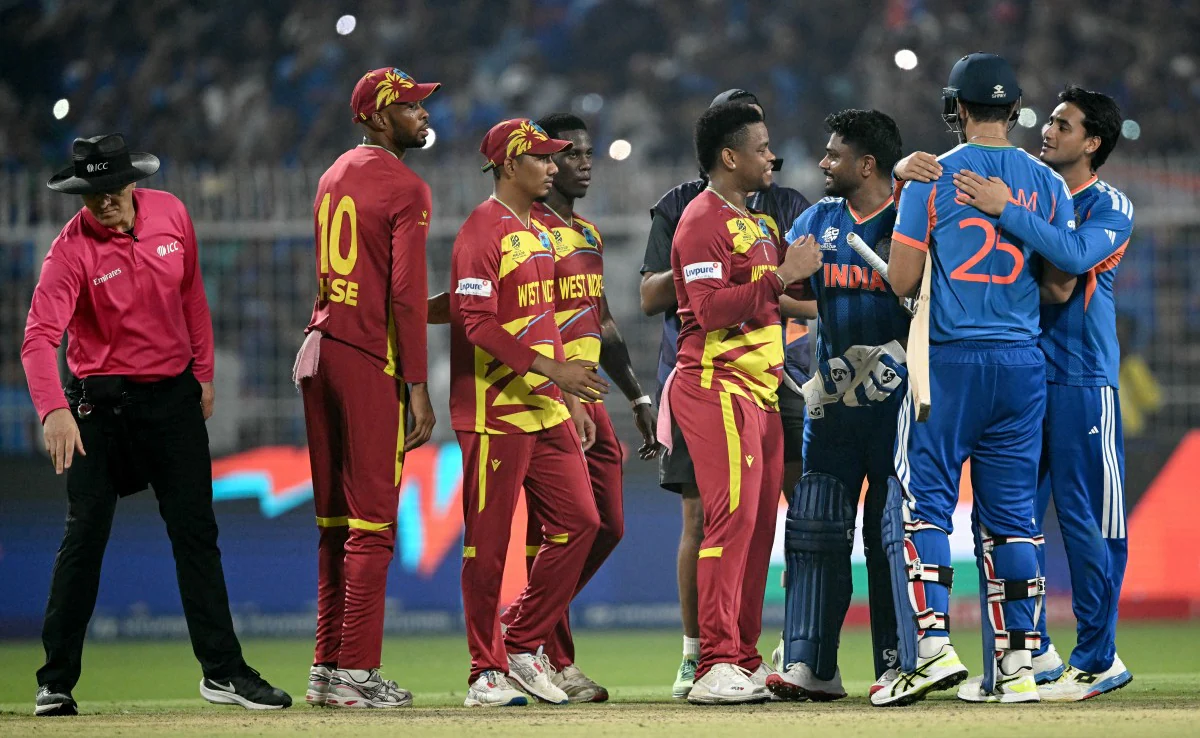


The india vs west indies t20 2026 series is set to bring another exciting chapter to the long-running rivalry between two teams with very different cricketing identities. India enter the T20I contest after a three-match ODI series against the West Indies, while the visitors arrive with confidence after producing a strong performance in the final ODI. The shift from 50-over cricket to the faster T20 format is expected to bring significant changes in tactics, team combinations and player roles.
The five-match T20I series begins on October 6, 2026, with the opening match scheduled at the Ekana Cricket Stadium in Lucknow. The remaining games will be played in Ranchi, Indore, Hyderabad and Bengaluru, with all five matches scheduled for a 7:00 PM IST start. This gives supporters across India a clear sequence of evening matches and provides both teams with several opportunities to test their combinations before the series concludes on October 17.
The series is particularly interesting because India’s T20 setup is continuing to develop around a combination of established performers and younger players. West Indies, meanwhile, possess the type of explosive batting and attacking bowling that can change a T20 match within a few overs. That contrast should make every game meaningful, especially when conditions favour aggressive stroke-making.
India vs West Indies T20 2026 Schedule and Venues
The india vs west indies t20 2026 schedule contains five matches spread across five different Indian cities. Rather than playing the entire series at one or two venues, the teams will travel through several major cricket centres. This creates different challenges because pitch behaviour, boundaries, weather and dew can vary considerably from one ground to another.
The first match will be played in Lucknow on October 6, followed by Ranchi on October 9 and Indore on October 11. The fourth T20I is scheduled for October 14 in Hyderabad, while Bengaluru will host the fifth and final match on October 17. All matches are scheduled to begin at 7:00 PM IST.
| Match | Date | Venue | Start Time |
|---|---|---|---|
| 1st T20I | October 6, 2026 | Lucknow | 7:00 PM IST |
| 2nd T20I | October 9, 2026 | Ranchi | 7:00 PM IST |
| 3rd T20I | October 11, 2026 | Indore | 7:00 PM IST |
| 4th T20I | October 14, 2026 | Hyderabad | 7:00 PM IST |
| 5th T20I | October 17, 2026 | Bengaluru | 7:00 PM IST |
The spread of venues could become one of the defining factors of the series. A team that adapts quickly to different surfaces will have an advantage, particularly because T20 cricket leaves very little room for slow starts. Captains and coaching staff will have to assess conditions quickly and decide whether to prioritise pace, spin, batting depth or specialist finishers.
Why This T20 Series Matters
The india vs west indies t20 2026 contest arrives at an important stage for both teams. T20 cricket is increasingly influenced by flexibility, match-ups and the ability to change tactics from one over to the next. A successful team is no longer simply the side with the biggest collection of individual stars. Instead, teams need players who can perform specific roles under pressure.
For India, the series offers another opportunity to develop a settled T20 combination. Shreyas Iyer is leading the side, with Tilak Varma named as vice-captain. The squad also contains several players capable of contributing in multiple areas, which could allow India to change their approach depending on the venue and opposition. Recent squad developments have also highlighted the importance of managing player workloads, with Washington Sundar withdrawn from the T20I squad and Naman Dhir brought in as his replacement.
West Indies have their own reasons to view the series as an important opportunity. Their cricketing tradition has always been closely associated with powerful batting, athletic fielding and naturally aggressive T20 cricket. Against India, however, that aggression needs to be balanced with discipline because India’s bowling resources can punish careless shot selection.
India’s T20 Strategy
India are likely to focus heavily on maintaining batting depth while ensuring that their bowling attack has enough variety. Modern T20 cricket rewards teams that can attack during the powerplay without losing too many wickets. The middle overs then become a period where spin, calculated acceleration and strike rotation can determine the direction of the innings.
Players such as Abhishek Sharma can provide attacking intent at the top, while Ishan Kishan and Sanju Samson offer additional wicketkeeping and batting options. The presence of all-rounders also gives the team greater flexibility. Instead of depending entirely on specialist batsmen and bowlers, India can potentially distribute responsibilities across several players.
Another major factor will be the role of young talent. Vaibhav Sooryavanshi has attracted considerable attention after his recent performances, while India’s wider T20 group includes several players looking to establish themselves internationally. Captain Shreyas Iyer has also spoken positively about Sooryavanshi’s ability and impact despite his young age.
West Indies’ Biggest Strengths
West Indies are capable of turning an ordinary T20 situation into a high-scoring opportunity very quickly. Their natural power allows their batsmen to clear the boundary even when the required scoring rate rises sharply. This makes them particularly dangerous when they have wickets in hand during the final five or six overs.
However, power alone will not be enough against India. West Indies will need to judge the conditions carefully and avoid losing several wickets during the middle overs. If their top order can survive India’s opening spell, the visitors could create substantial pressure later in the innings.
Their bowling attack will also have an important role. T20 matches often turn on a handful of deliveries, particularly during the powerplay and death overs. West Indies will therefore need bowlers who can execute slower deliveries, yorkers and changes of pace without giving Indian batsmen predictable patterns to attack.
Key Player Battles to Watch
One of the most fascinating aspects of the india vs west indies t20 2026 series will be the individual battles between aggressive batsmen and specialist bowlers. T20 cricket creates situations where a single matchup can influence an entire innings. A batter who dominates one bowler may force the captain to change plans earlier than expected.
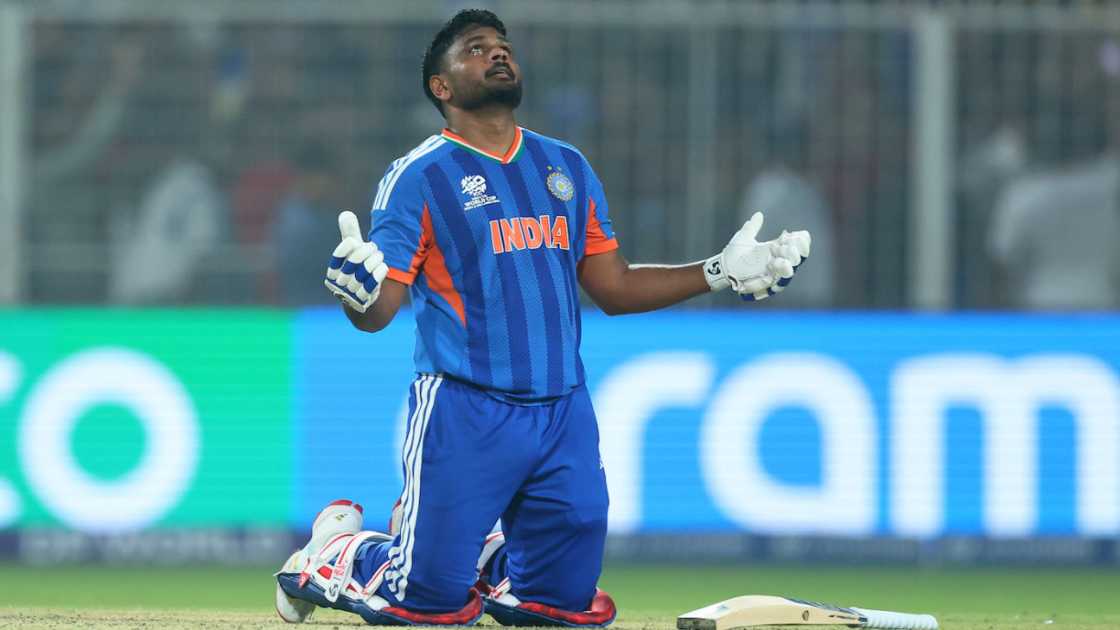
India’s top-order approach will be tested against West Indies’ new-ball attack. If India can establish a strong powerplay platform, their middle order should have greater freedom to attack. If West Indies take early wickets, however, India could be forced into a more conservative rebuilding phase.
At the same time, West Indies’ big hitters will face India’s mixture of pace and spin. India’s bowling options include experienced performers such as Arshdeep Singh and Kuldeep Yadav, while other squad members provide additional pace and spin alternatives. Kuldeep’s recent ODI form is particularly noteworthy, having emerged as India’s leading wicket-taker in that series.
The Powerplay Could Decide Early Momentum
The opening six overs will be crucial throughout the series. Teams want to score quickly during this phase, but attacking too aggressively can create early collapses. Captains will therefore need to judge whether the pitch is suitable for immediate boundary-hitting or whether strike rotation is the safer approach.
For India, the powerplay could also determine how much freedom their middle order receives. A strong start means players arriving later can attack immediately, while a poor start could require them to spend several overs rebuilding. West Indies face the same equation, making the first six overs one of the most important tactical phases in every match.
Role of Spin and Middle Overs
Spin bowling could become particularly important as the series moves between different venues. Indian conditions often provide spinners with opportunities to control the middle overs, although modern T20 batsmen are increasingly willing to attack spin rather than simply defend against it.
Kuldeep Yadav’s ability to take wickets rather than merely contain runs could be valuable for India. A wicket-taking spinner can disrupt partnerships at exactly the stage when batting teams attempt to build momentum. West Indies will need to find ways to rotate the strike against India’s spinners while selecting the right moments to attack.
The middle overs will also test the intelligence of batsmen. A player does not always need to hit boundaries every over. Rotating singles, targeting weaker bowlers and preserving wickets for the final phase can sometimes produce a better overall result.
Importance of Death-Overs Bowling
The final five overs can completely change the outcome of a T20 match. A team sitting around 130 after 15 overs may suddenly finish near 180 or beyond if its finishers find the right matchups. Conversely, disciplined bowling can restrict a powerful batting lineup to a manageable total.
Both India and West Indies will therefore need specialist plans for the final phase. Yorkers, wide deliveries, slower balls and changes of pace can all be effective, but execution is more important than the strategy itself. One missed delivery can disappear into the stands, especially at grounds with shorter boundaries.
Field placement will also become increasingly important. Captains have only a limited number of fielders available outside the inner circle during different phases, so every defensive decision needs to account for the batsman’s preferred scoring areas.
Young Players Could Add a New Dimension
Another major storyline surrounding the series is the opportunity for younger players to establish themselves. India’s T20 setup has increasingly created space for emerging talent, and the current squad reflects that approach.
Young players bring energy and unpredictability, but international cricket also exposes weaknesses quickly. A player who has dominated domestic cricket may face a completely different challenge when confronted with experienced international bowlers and intense match pressure.
This makes the series valuable beyond the immediate result. Performances across five matches can help the team management understand which players are ready for larger responsibilities. For the players themselves, consistent performances can strengthen their position in India’s future T20 plans.
How Conditions Could Influence the Matches
Venue conditions will be another important element. Lucknow, Ranchi, Indore, Hyderabad and Bengaluru offer different environments, meaning the same team combination may not necessarily be ideal for every match.
A pitch that rewards stroke-making could encourage India and West Indies to select additional batting depth. A slower surface, on the other hand, could make spin and bowling all-rounders more valuable. Captains may also have to consider dew when deciding whether to bat or bowl first after winning the toss.
The evening start times make the toss particularly relevant. If the ball becomes easier to hit later in the night, chasing teams may gain an advantage. However, teams cannot assume that every match will follow the same pattern because pitch preparation and local weather can change the equation.
What Fans Can Expect From the Series
Fans can expect a mixture of aggressive batting, tactical bowling and opportunities for emerging players. The five-match format is long enough for both teams to recover from an early defeat, which means the first match will not necessarily determine the series.

Another interesting feature is the geographical spread of the contest. Supporters in different parts of India will get the opportunity to watch international T20 cricket in their own cities. The schedule moves from Lucknow to Ranchi, Indore, Hyderabad and Bengaluru, creating a nationwide feel around the series.
For viewers following the series closely, the most useful areas to monitor will be:
- Powerplay scoring and early wickets.
- Middle-over control from spinners.
- Death-over batting and bowling execution.
- Changes in playing combinations between matches.
These factors will provide a clearer picture of which side is adapting better as the series progresses.
Series Momentum and the Road Ahead
The india vs west indies t20 2026 series should not be judged only by individual performances. The ability to maintain momentum across five matches will be equally important. A side that wins the opening game may gain confidence, but the travelling schedule and changing conditions mean every match presents a fresh challenge.
India will be keen to use the series to strengthen their T20 structure while giving important players opportunities to develop international experience. West Indies will want to disrupt that plan by playing their natural attacking cricket and putting pressure on India’s bowlers.
The ODI leg of the tour has already provided an interesting backdrop. India won the first two ODIs before West Indies responded with a five-wicket victory in the third match, meaning the visitors enter the T20 phase with evidence that they can challenge India in Indian conditions.
Conclusion
The india vs west indies t20 2026 series promises to be more than a simple five-match bilateral contest. It combines experienced international players, emerging Indian talent, powerful West Indies batting and a variety of Indian venues. With every match scheduled for a 7:00 PM IST start and the series running from October 6 to October 17, supporters will have five opportunities to watch the teams test different combinations and strategies. India appear to have a balanced group capable of adapting to different conditions, but West Indies possess enough attacking quality to challenge them whenever their batsmen establish momentum. The key battles will likely involve India’s bowling against West Indies’ power hitters, while India’s young batting options will face the challenge of performing consistently against an experienced international attack.