




The India vs West Indies T20 contest brings together two teams with strong cricketing traditions and contrasting approaches to the shortest international format. India have developed a structured T20 system built around adaptable batting, varied bowling options and tactical flexibility, while West Indies have traditionally been associated with fearless stroke-making, athletic fielding and powerful T20 specialists. When these styles meet, the result can be a fascinating contest in which momentum can change within only a few overs.
T20 cricket leaves very little room for slow starts or extended periods of recovery. A batter can change the direction of a match with a short burst of boundaries, while a bowler can create a decisive advantage through a couple of well-timed wickets. That makes every phase important, from the opening powerplay to the middle overs and the final five overs. Understanding these phases adds much more depth to following the India vs West Indies T20 matchup than simply looking at the final score.
The rivalry is also interesting because both teams have produced generations of players capable of influencing games in different ways. India have regularly emphasized depth and role clarity, whereas West Indies cricket has a long association with explosive limited-overs players who can turn a game around quickly. This combination creates an environment where tactical decisions, pitch conditions and individual performances can matter enormously.
India vs West Indies T20: Understanding the Modern Contest
The modern T20 game has changed considerably from its early years. Teams now prepare specifically for different match situations, and players are often selected according to specialized roles rather than simply their overall cricketing ability. Openers may be expected to attack immediately, middle-order batters must manage changing run rates, and bowlers need multiple variations to remain effective against aggressive batting.
In an India vs West Indies T20 match, these tactical elements can become particularly visible. India can use different batting combinations depending on conditions, while West Indies can rely on players capable of producing rapid scoring through powerful hitting. The battle is therefore not limited to one star player against another. It involves several smaller contests taking place simultaneously across the innings.
The toss can also influence strategy. A captain may consider dew, pitch behavior, boundary dimensions and the expected performance of the surface during the second innings. Although winning the toss does not guarantee success, the decision to bat or bowl first can influence how a team approaches its innings. Modern T20 cricket is increasingly about anticipating these variables before the first delivery.
How the Powerplay Can Shape the Match
The first six overs are among the most important parts of a T20 innings. Fielding restrictions allow batting teams to attack the boundaries, but aggressive batting also carries risk. Losing two or three wickets during this period can force a side to change its entire strategy.
For India, the powerplay can be an opportunity to establish a strong scoring rate while protecting enough batting resources for the middle overs. Their approach may depend on the opening combination, pitch conditions and the quality of the opposition’s new-ball attack. A controlled but aggressive start can create a foundation for a much larger total later.
West Indies can also make the powerplay a major weapon because their traditional T20 batting style often encourages attacking shots early. Their success may depend on whether their top order can convert aggressive intent into substantial runs without losing too many wickets. If the opening batters find rhythm quickly, the pressure can shift immediately onto the opposition bowlers.
The Importance of Early Wickets
Early wickets can completely change the expected shape of a T20 innings. A team that loses an opener quickly may need to rebuild rather than continue attacking at maximum intensity. Conversely, if both openers survive the powerplay while maintaining a strong run rate, the middle order can enter with considerably more freedom.
This is why powerplay bowling is equally important. Bowlers need to balance wicket-taking opportunities with run prevention. A successful opening spell is not always about conceding very few runs; taking a key wicket at the right moment can sometimes have a greater impact on the eventual result.
Middle Overs: Where Tactical Cricket Takes Over
The middle overs are often less dramatic than the powerplay or final overs, but they can determine the eventual direction of a match. During this stage, teams need to maintain scoring momentum while managing wickets. Spin bowling, changes of pace and clever field placements can become particularly important.
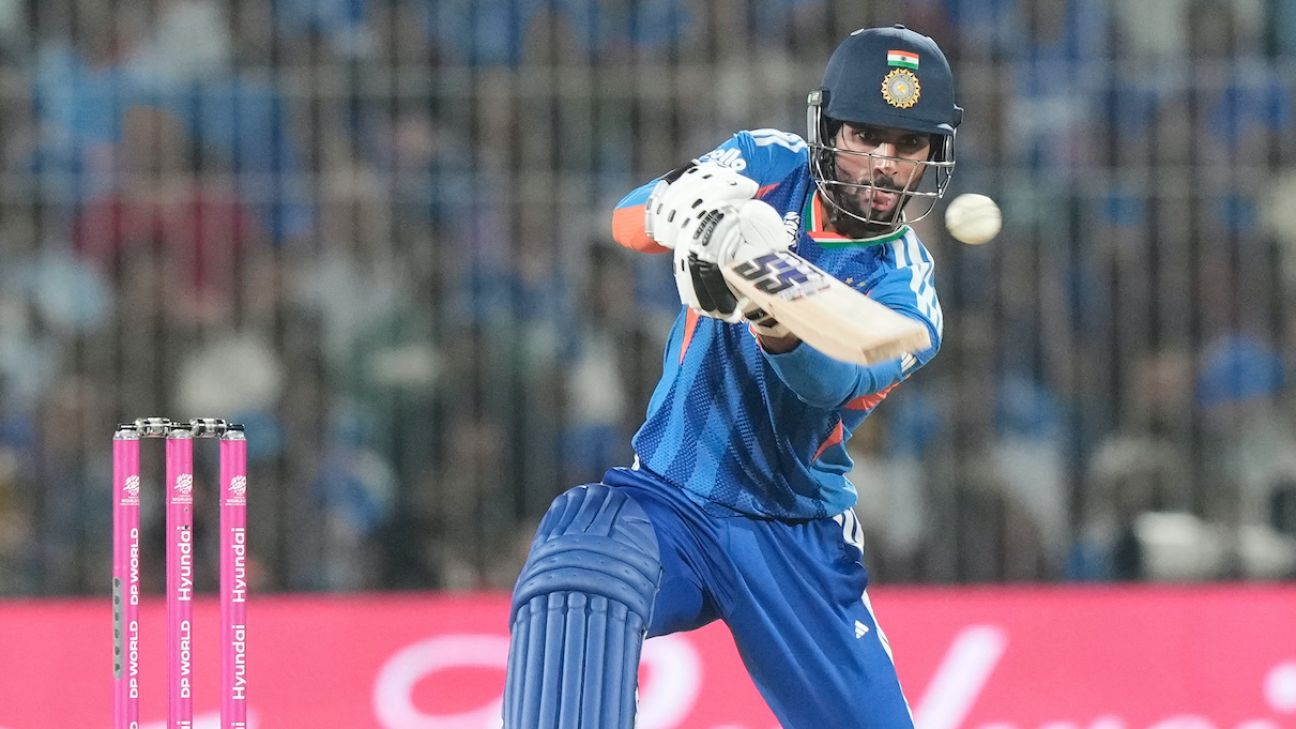
In the India vs West Indies T20 matchup, middle-over tactics can create interesting battles between batters and bowlers. Batters may look to target specific bowlers or areas of the field, while captains can respond by changing the bowling combination. A batter who rotates the strike effectively during this period can keep the scoreboard moving even when boundaries are difficult to find.
This phase also highlights the value of versatility. A player capable of batting in different positions or bowling different types of deliveries can provide greater tactical flexibility. T20 teams increasingly value such players because they give captains additional options when a match does not follow the original plan.
Death Overs and the Final Scoring Surge
The final five overs are usually the most aggressive stage of a T20 innings. Batters attempt to maximize boundary opportunities, while bowlers try to restrict scoring through yorkers, slower deliveries, wide lines and changes of pace. Fielding restrictions are no longer in place, but the pressure on bowlers is enormous because even a single over of expensive bowling can substantially change the required run rate.
India’s approach during the death overs can depend heavily on the number of wickets available and the players at the crease. A deep batting lineup allows a team to take calculated risks, while limited wickets can encourage a more conservative approach. West Indies, with their tradition of powerful hitters, can also make the final overs particularly dangerous for any bowling attack.
The final over can sometimes produce an extraordinary swing in momentum. Sixes, dropped catches, wides and successful yorkers can all influence the final total within a few deliveries. That unpredictability is one of the main reasons T20 cricket attracts such a large audience.
Key Factors That Can Influence the Match
Several conditions can determine how an India vs West Indies T20 encounter develops. The pitch is one of the most obvious factors. A flat surface with consistent bounce can encourage attacking batting, while a slower pitch may bring spinners and change-of-pace bowlers into the game.
Weather can also influence conditions, particularly when humidity or evening dew becomes significant. Dew may make gripping the ball more difficult for bowlers later in the match and can influence a captain’s decision at the toss. However, its impact varies from venue to venue and from one match to another.
Another major factor is boundary size. Smaller boundaries can reward aggressive hitters, while larger playing areas can give bowlers more protection against aerial shots. Fielding therefore becomes even more important when boundaries are large because quick running between wickets can compensate for fewer sixes.
Important Match Factors
- Pitch pace and bounce
- Powerplay wickets and scoring rate
- Spin effectiveness during the middle overs
- Death-over batting and bowling execution
- Fielding quality and catching under pressure
These factors interact rather than operating independently. For example, a slow pitch can reduce boundary opportunities but increase the importance of running between wickets. Similarly, a strong bowling performance during the powerplay can become less significant if the middle and death overs are expensive.
Player Roles Matter More Than Individual Reputation
T20 cricket is often discussed through individual stars, but successful teams require clearly defined roles. An opener, finisher, powerplay bowler, middle-over spinner and death specialist may all contribute differently. A player does not necessarily need to produce a spectacular performance every match to provide value.
For India, squad depth can allow different players to take responsibility depending on match conditions. A batter may be asked to accelerate earlier on a good batting surface, while a bowler may be given a specific matchup against a particular opponent. Such tactical decisions can have a major influence even when they do not appear prominently in traditional scorecards.
West Indies also possess a long history of players whose skill sets suit T20 cricket. Power hitters can change the game rapidly, while athletic fielders can save crucial runs. The challenge is converting individual ability into a balanced team performance across all 20 overs.
Comparing the Main Phases of a T20 Match
| Match Phase | Primary Batting Goal | Primary Bowling Goal | Major Tactical Focus |
|---|---|---|---|
| Powerplay | Build momentum | Take wickets and control boundaries | Field restrictions |
| Middle Overs | Rotate strike and attack selected options | Break partnerships | Matchups and variations |
| Death Overs | Maximize scoring | Limit boundaries | Execution under pressure |
This structure explains why T20 cricket can change so quickly. A team that appears to be in control after ten overs can suddenly find itself under pressure after two expensive overs. Similarly, a side that struggles during the powerplay can recover through partnerships and strong death-over batting.
Batting Depth and Bowling Variety
One of the most important characteristics of a modern T20 side is balance. Teams need enough batting depth to recover from early wickets and enough bowling options to respond when a particular bowler is being targeted. This balance becomes especially important in matches where conditions change during the innings.

India can potentially benefit from having multiple players capable of contributing in different roles. Such flexibility means the captain can adjust the batting order or bowling sequence without completely changing the team’s structure. West Indies can also create pressure when their powerful batters find favorable conditions, particularly if they retain wickets for the final stages.
Bowling variety is equally important. Pace alone may not be enough on a slow surface, while relying exclusively on spin can be risky against batters comfortable attacking slower bowling. Successful T20 attacks generally combine different speeds, angles and lengths to prevent batters from settling into predictable patterns.
Why T20 Statistics Need Context
Statistics are useful when analyzing an India vs West Indies T20 match, but numbers should always be interpreted alongside context. A batter’s strike rate may look impressive, but the number of deliveries faced, match situation and quality of opposition bowling also matter. Likewise, a bowler’s economy rate can be influenced by whether they bowled during the powerplay or at the death.
Partnerships are another important statistic. A century from one player may attract attention, but a 70-run partnership between two batters can sometimes have a greater strategic effect because it stabilizes the innings after early wickets. T20 analysis therefore requires more than looking at runs and wickets alone.
Fielding statistics can also reveal hidden contributions. A saved boundary, direct-hit run-out or difficult catch may change the result even though such moments do not always receive the same attention as a six or a five-wicket haul.
The Entertainment Value of the Rivalry
Beyond statistics and tactics, the appeal of India versus West Indies cricket comes from the different cricketing cultures represented by the two teams. India have an enormous cricket audience and a highly competitive domestic structure that continually produces T20 talent. West Indies cricket has a distinctive identity built around flair, creativity and players who have made significant contributions to T20 leagues around the world.
This creates an interesting contrast whenever the teams meet. Supporters can expect different approaches to pressure, scoring and match management. Some games may become tactical contests dominated by bowling, while others can turn into high-scoring encounters where individual batting performances take center stage.
The unpredictability of T20 cricket ensures that previous results do not automatically determine what happens in the next game. A new pitch, different playing XI, altered conditions or one exceptional individual performance can completely change the balance of a match.
What Fans Should Watch During the Match
For viewers following the India vs West Indies T20 format, focusing on a few tactical details can make the game much more interesting. Instead of watching only the total score, it is useful to observe how quickly wickets fall, which bowlers are being targeted and whether batters are rotating the strike.
The required run rate is another important indicator during a chase. A team may be behind the scoring rate but still have plenty of wickets and overs available, while another team may have a manageable required rate but too few wickets remaining. Context matters more than a single number.
Fans can also watch captaincy changes. Moving a fielder, introducing a different bowler or promoting a particular batter can indicate how a team is responding to the developing situation. These small decisions are often where the strategic side of T20 cricket becomes visible.
Conclusion
The India vs West Indies T20 matchup represents much more than a contest between two international cricket teams. It combines contrasting cricketing styles, specialist player roles, aggressive batting, tactical bowling and rapidly changing match situations. The shortest format rewards teams that can adapt quickly because there is rarely enough time to recover from repeated mistakes. For India, maintaining batting momentum while using bowling depth effectively can be central to their approach. For West Indies, explosive batting, intelligent use of their bowling resources and strong fielding can create pressure at crucial moments. The conditions, toss, pitch and individual performances can all influence how the contest develops.