

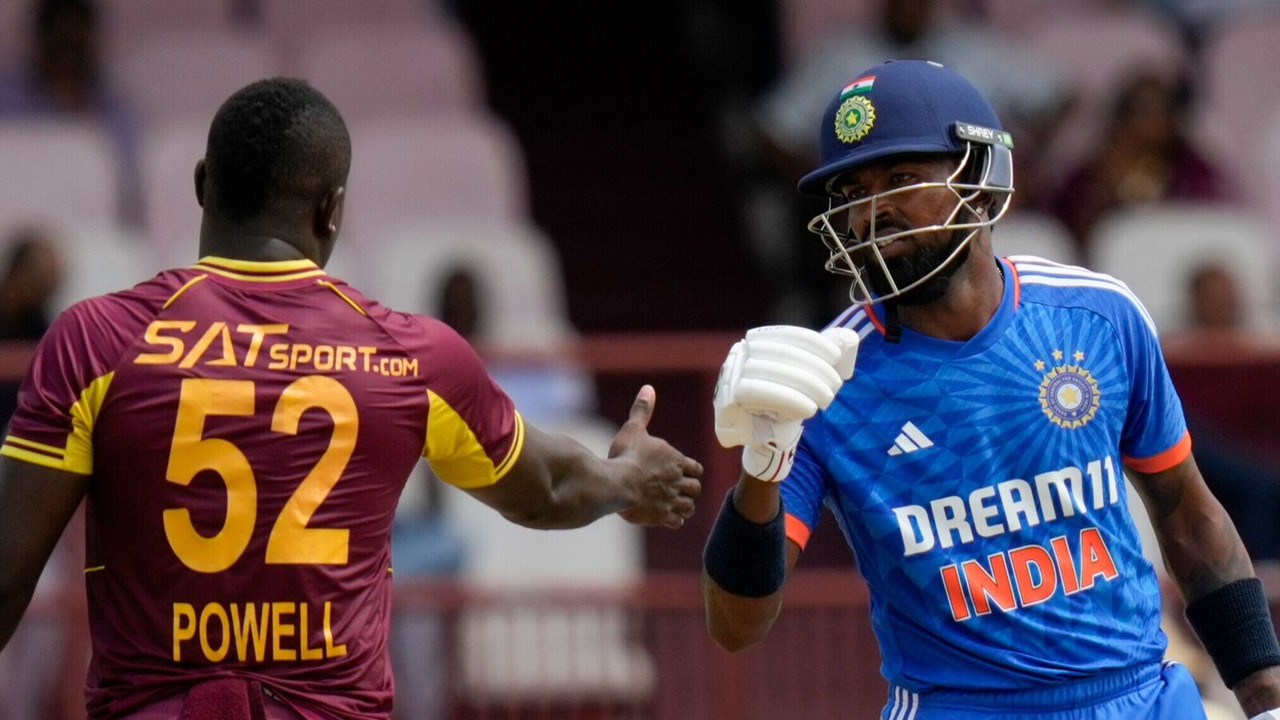


The India vs West Indies Test contest has always carried a distinctive place in international cricket. It brings together two teams with different cricketing traditions, yet both have contributed enormously to the history and evolution of Test cricket. India has developed into one of the strongest teams in the modern era, particularly in home conditions, while West Indies remains associated with an extraordinary legacy of fast bowling, fearless batting and some of the greatest cricketers the game has produced.
A Test match between these sides is about much more than the final score. The five-day format creates opportunities for momentum to change several times, making patience, technique and tactical decision-making extremely important. A strong first innings can establish control, but one exceptional spell of bowling or a determined fourth-innings chase can completely transform the contest. That uncertainty is one reason the India vs West Indies Test matchup continues to attract cricket followers.
The current generation also gives this rivalry a different character. Modern players have access to advanced preparation, data analysis, specialized fitness programs and sophisticated tactical planning. At the same time, traditional Test skills remain essential. Batters still need to leave the ball intelligently, bowlers still need to create pressure over long spells, and fielding sides must remain disciplined for extended periods.
A Test Rivalry Built on Cricketing History
The history of India and West Indies in Test cricket stretches back decades and includes some fascinating chapters. West Indies were once one of the most intimidating forces in international cricket, especially during the period when their pace attack could dominate batting line-ups around the world. India, meanwhile, gradually built its own Test identity through technically strong batting, high-quality spin bowling and an increasing ability to compete away from home.
Over the years, matches between the two countries have featured contrasting styles. West Indies traditionally produced aggressive fast bowlers who could extract movement and bounce, while India became particularly renowned for producing outstanding spin bowlers. These differences created fascinating tactical battles, especially when matches moved between the Caribbean and the Indian subcontinent.
The rivalry has also witnessed generations of outstanding players. Indian batting legends have faced some of the most feared West Indian bowlers, while West Indian batsmen have had to negotiate India’s talented spin and pace attacks. Those historical encounters have helped establish a competitive cricketing relationship that extends beyond individual series.
Why Test Cricket Makes This Contest Special
Test cricket demands a completely different approach from shorter formats. A batter who scores quickly in a T20 match may still need to change his mindset dramatically when facing a new ball for the first time in a Test. Similarly, bowlers cannot simply attack at maximum intensity for a few overs. They need to maintain accuracy, create pressure and understand how the pitch and ball are changing.
This makes the India vs West Indies Test format particularly interesting because both teams can have periods of dominance. A batting side may spend an entire session building a partnership before losing two wickets in quick succession. A bowling team can appear in control in the morning but struggle against an established partnership after lunch.
The longer format also rewards adaptability. Weather, pitch deterioration, reverse swing, spin, dew and workload can influence the result. Captains must constantly assess whether to attack or defend, when to introduce a particular bowler and how aggressively to set fields.
Key Areas That Can Decide a Test Match
Opening Partnerships
The opening partnership often establishes the tone for the first innings. New-ball bowlers are generally at their most dangerous when the ball is fresh, so opening batters must combine concentration with selective aggression. Leaving deliveries outside the off stump, playing late and minimizing loose shots can be more valuable than scoring rapidly.
For India, strong opening performances can provide the foundation for a large total and allow the middle order to play with greater freedom. West Indies similarly benefit when their openers survive the initial period because it can reduce the impact of the opposition’s most threatening new-ball bowlers.
The Middle-Order Battle
Once the ball becomes older, middle-order players can become decisive. Test cricket often produces situations where one batter must absorb pressure while another scores more freely. Successful middle-order partnerships can shift a match from a balanced position toward clear control.
This is particularly important when a team loses early wickets. A reliable middle order can rebuild the innings, reduce pressure on the lower order and give the bowlers enough runs to work with later. Conversely, a collapse in the middle overs can quickly undo a promising start.
Fast Bowling and New-Ball Movement
Fast bowling remains one of the most important components of modern Test cricket. Even on surfaces that appear favorable to batting, a disciplined pace attack can exploit movement through the air or off the pitch. The first hour of a Test innings can therefore be crucial.
West Indies have a historic association with fast bowling, while India’s pace resources have become increasingly important in modern cricket. A high-quality pace attack gives a captain more options because it can create breakthroughs with the new ball and continue operating effectively as the match develops.
Spin Could Become a Major Tactical Factor
Spin bowling can become increasingly influential as a Test progresses. On a deteriorating pitch, changes in bounce and turn can make batting considerably more difficult. Spinners can also create pressure by bowling long spells, attacking the stumps and forcing batters to make decisions about footwork.
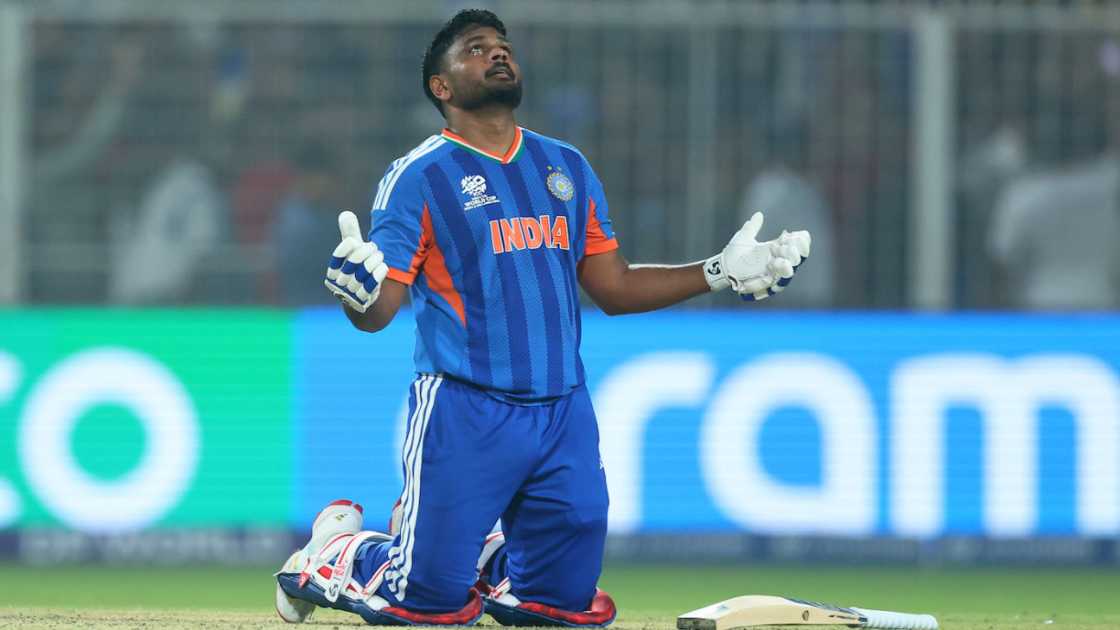
India traditionally possesses significant experience with spin-friendly conditions. However, West Indian players can also be dangerous against spin when they use positive footwork and avoid allowing the bowler to settle into a consistent rhythm.
The battle between spin and batting technique is therefore likely to be one of the major tactical themes whenever conditions favor slower bowlers.
Playing Conditions and Their Influence
Conditions can dramatically change the character of a Test. A pitch offering early seam movement can reward fast bowlers, while a dry surface may bring spinners into the game sooner. Weather can also affect the number of overs bowled and increase the importance of sessions lost to rain.
The Caribbean and India can provide very different environments for Test cricket. Caribbean surfaces have historically varied significantly from venue to venue, while Indian pitches are often associated with conditions that can become increasingly helpful to spin as matches progress. Modern pitch preparation, however, means conditions cannot always be predicted simply from geography.
| Match Factor | Potential Impact on India | Potential Impact on West Indies |
|---|---|---|
| New-ball movement | Important for India’s pace attack | Can create early breakthroughs |
| Spin assistance | Can strengthen India’s bowling options | Tests batting technique |
| Batting depth | Helps India build large totals | Important for sustained partnerships |
| Fast-bowling fitness | Supports long pressure spells | Can be a major attacking weapon |
| Fielding quality | Prevents momentum shifts | Can create crucial breakthroughs |
Players Who Can Change the Direction of a Match
India’s Batting Strength
India’s batting resources have evolved significantly over the years. Modern Indian batters are generally expected to perform across different conditions and formats, but Test cricket continues to demand a specialized skill set. A technically sound batter who can remain at the crease for several hours can change the balance of a match.
The importance of batting depth should also not be underestimated. Lower-order runs can make an enormous difference in Test cricket. An additional 50 or 60 runs from the final few wickets can turn a competitive total into a challenging one and provide bowlers with greater flexibility.
West Indies’ Batting Response
West Indies have historically produced batsmen capable of playing aggressive cricket, but Test success often depends on combining natural stroke-making ability with disciplined shot selection. Against India’s bowling attack, patience can be particularly valuable.
If West Indies can establish long partnerships, they can place pressure back on India’s bowlers. A successful innings does not necessarily require constant attacking strokes. Sometimes occupying the crease for a long period and forcing the opposition captain to change fields repeatedly is equally effective.
The Importance of Captaincy and Tactical Decisions
Captaincy becomes increasingly significant in Test cricket because there are so many opportunities to influence a match. A captain must think beyond the next over and consider how decisions will affect the next session or even the next day.
Field placements are particularly important. An attacking captain may place more fielders around the bat to target a new batter, while a defensive setup can be used to protect a lead or force the opposition to take risks. Bowling changes also require careful management because fast bowlers cannot be expected to operate continuously at full intensity.
Declaration timing is another major decision. Declaring too early can provide the opposition with an opportunity to chase a manageable target, while declaring too late may leave insufficient time to take all ten wickets. These strategic choices often separate an ordinary Test performance from an excellent one.
How Modern Technology Has Changed Test Preparation
Technology has become a major part of professional cricket. Teams now analyze opposition batters, bowling patterns, scoring areas and dismissal methods in considerable detail. Video analysis can reveal technical weaknesses that may not be obvious during live play.
Fitness monitoring has also changed how Test players prepare. Since a five-day match can involve long periods of physical and mental stress, recovery becomes essential. Bowlers especially need to manage workload carefully because repeated high-intensity spells can place significant strain on the body.
Despite these developments, technology cannot replace decision-making in the middle. Once a batter faces a bowler at high speed or a spinner extracts unexpected turn from the pitch, instinct and experience still matter enormously.
Small Moments Can Decide a Five-Day Contest
Test matches are often remembered for major centuries or dramatic bowling spells, but smaller moments can be equally important. A dropped catch, a missed run-out opportunity, a successful review or a carefully negotiated final over can change the direction of a match.

For example, a batter surviving a difficult spell before lunch may later score a century. Similarly, a bowler who beats the outside edge repeatedly without taking a wicket may eventually create a chance through accumulated pressure. These sequences demonstrate why Test cricket rewards patience.
The India vs West Indies Test contest can therefore produce drama even when the scoreboard appears relatively quiet. A session containing only a handful of wickets may still have enormous tactical significance if one team has controlled the run rate or forced the opposition into defensive positions.
What Fans Should Watch During the Match
Rather than focusing only on the score, viewers can follow several tactical indicators throughout the game:
- How effectively openers handle the first spell of fast bowling.
- Whether middle-order batters can build partnerships after early wickets.
- How quickly spinners become effective as the pitch changes.
- Whether captains use attacking or defensive fields at crucial moments.
- Which team maintains better concentration during long sessions.
Watching these details makes Test cricket more engaging because it helps explain why the balance of a match changes even before the scoreboard shows a dramatic difference.
The Future of the India vs West Indies Test Contest
The future of this rivalry will depend partly on how both countries continue developing their red-ball cricket systems. International cricket is increasingly influenced by shorter formats, meaning domestic structures have an important role in keeping Test cricket competitive and producing players prepared for five-day matches.
India possesses a large and highly competitive cricketing ecosystem, while West Indies continues to work with a rich cricketing tradition and a pool of naturally talented players. The challenge for both sides is converting individual ability into consistent Test performances.
Young players will also influence the next stage of the rivalry. Their ability to handle pressure, adapt to overseas conditions and maintain discipline over long matches will determine how successfully they transition into international Test cricket.
Conclusion
The India vs West Indies Test matchup represents a meeting between two cricketing cultures with deep histories and distinctive identities. Its appeal comes from the combination of tradition and modern strategy, where established Test principles continue to matter even as preparation, fitness and analysis become increasingly sophisticated. The outcome of a Test between these teams can depend on many factors: opening partnerships, pace bowling, spin, middle-order resilience, fielding, captaincy and the ability to remain patient when the match becomes difficult. Unlike shorter formats, there is always time for a team to recover from a poor session, but that same extended format gives opponents more opportunities to exploit weaknesses.