

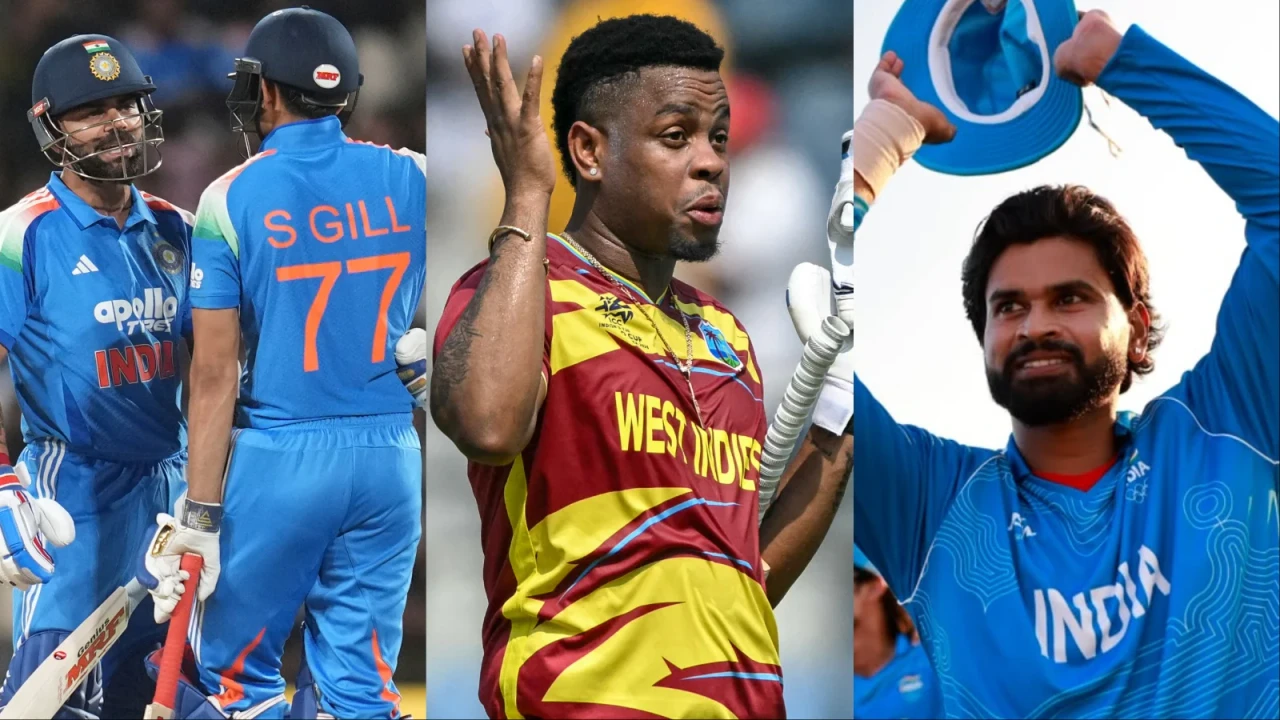


The India vs West Indies T20 series has become one of the major cricket attractions of October 2026, bringing together two teams with contrasting styles and plenty of explosive talent. India are hosting a five-match T20I series after the ODI leg of the West Indies tour, with matches scheduled across Lucknow, Ranchi, Indore, Hyderabad and Bengaluru. All five T20Is are scheduled for 7:00 PM IST, giving fans a consistent evening schedule throughout the series.
The opening match has already provided an indication of how competitive and fast-paced the series could become. India defeated West Indies by eight wickets in Lucknow on October 6 after restricting the visitors to 171. Shreyas Iyer then produced a remarkable unbeaten 102 from only 43 deliveries, while Ishan Kishan remained alongside him as India reached 172/2 in just 14.4 overs. The result gave India a 1-0 lead in the five-match series.
With four matches still to come, the contest remains an important opportunity for players to establish themselves in India’s T20 setup and for West Indies to respond strongly. The remaining games also provide different playing conditions and venues, which could influence team combinations, bowling plans and batting approaches as the series progresses.
India vs West Indies T20 2026 Series Overview
The current series consists of five T20 internationals, with the first match taking place in Lucknow and the final game scheduled for Bengaluru on October 17. The short turnaround between matches means both sides will need to manage players carefully while adapting quickly to different grounds.
The schedule moves from north India to central and southern venues, creating a useful test of adaptability. Ranchi hosts the second T20I on October 9, followed by Indore on October 11. Hyderabad will stage the fourth match on October 14 before Bengaluru hosts the series finale on October 17. The complete schedule was announced as part of India’s home white-ball series against the West Indies.
| Match | Date | Venue | Time |
|---|---|---|---|
| 1st T20I | October 6, 2026 | Lucknow | 7:00 PM IST |
| 2nd T20I | October 9, 2026 | Ranchi | 7:00 PM IST |
| 3rd T20I | October 11, 2026 | Indore | 7:00 PM IST |
| 4th T20I | October 14, 2026 | Hyderabad | 7:00 PM IST |
| 5th T20I | October 17, 2026 | Bengaluru | 7:00 PM IST |
The opening fixture at Lucknow has already been completed, with India taking the early series advantage. The remaining four games will determine whether India can maintain that momentum or whether West Indies can turn the contest around.
India’s T20I Team and New Opportunities
India’s squad reflects a mixture of established T20 players and younger names who are being given opportunities at international level. Shreyas Iyer is leading the side, while Tilak Varma has been named vice-captain. The squad also includes Abhishek Sharma, Ishan Kishan, Sanju Samson, Shivam Dube, Axar Patel, Washington Sundar, Kuldeep Yadav, Ravi Bishnoi and Arshdeep Singh. Young fast bowlers Prince Yadav and Mayank Yadav are also part of the group.
One of the interesting aspects of this squad is the balance between batting depth, spin options and pace resources. India can construct different combinations depending on conditions. On a slower surface, the presence of multiple spin options can become important, while venues offering more pace and bounce could encourage the team to strengthen its fast-bowling attack.
The selection of younger players also makes this series valuable beyond the immediate results. International T20 cricket often requires players to make decisions within seconds, particularly during the powerplay and death overs. Giving emerging players exposure to these situations can help India develop greater depth for future tournaments and bilateral assignments.
Shreyas Iyer’s Outstanding Start
The biggest individual headline from the opening match was Shreyas Iyer’s extraordinary century. Chasing 172, India lost early wickets but Iyer quickly changed the nature of the chase. His unbeaten 102 came from just 43 balls and included 10 fours and six sixes, allowing India to complete the target with 32 balls remaining.
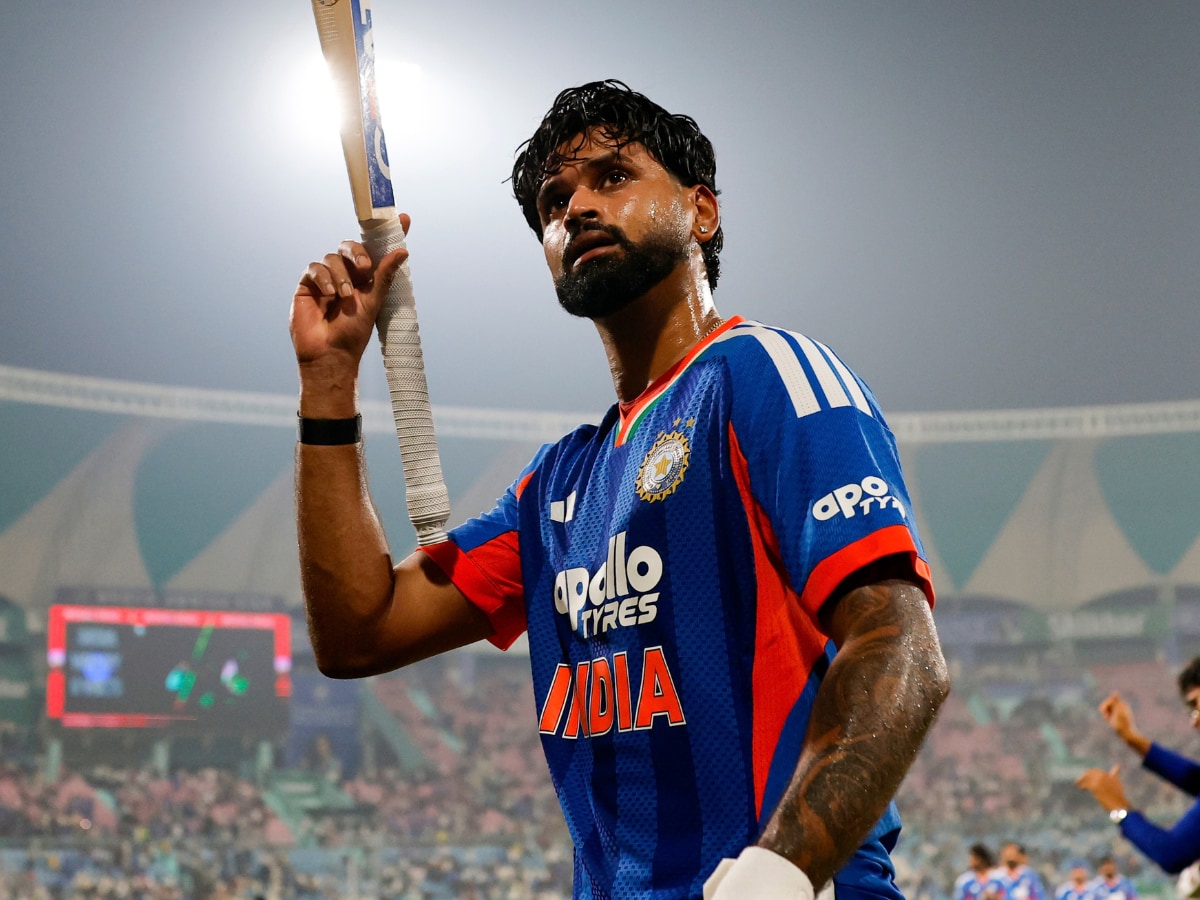
His innings was especially significant because it demonstrated how quickly a T20 chase can change when a batter combines controlled shot selection with aggressive acceleration. Iyer did not need a long period to settle before taking the attack to the bowlers. His partnership with Ishan Kishan eventually removed much of the pressure from the chase.
For the remaining matches, opposition bowlers are likely to examine how they can prevent Iyer from controlling the middle overs. West Indies will need to find ways of disrupting partnerships rather than allowing India’s middle order to dictate the tempo.
West Indies Looking for a Strong Response
West Indies entered the series with an aggressive reputation in T20 cricket, but their first innings in Lucknow exposed the importance of surviving India’s early bowling pressure. They were reduced to 44/3 during the powerplay before Shai Hope and Sherfane Rutherford attempted to rebuild the innings. Hope scored 52 while Rutherford contributed 56, helping West Indies reach 171 before being bowled out in 19.1 overs.
The middle-order recovery showed that West Indies still possess the ability to fight back after losing early wickets. However, the team will need greater consistency if it wants to put India under sustained pressure. Losing wickets during the powerplay can make it difficult to produce the 190-plus totals that often become valuable in modern T20 cricket.
The second match in Ranchi therefore presents an important opportunity. A strong start with the bat could allow West Indies’ power hitters to influence the contest later in the innings. Their bowlers, meanwhile, will need to create pressure before India’s batting lineup settles into another comfortable chase.
Key Players to Watch
Several players could shape the direction of the series. For India, Iyer’s form is naturally one of the biggest talking points after his spectacular first-match performance. Abhishek Sharma can provide aggressive starts, while Ishan Kishan and Sanju Samson give India wicketkeeping and batting options. Tilak Varma adds another left-handed batting option and can play an important role in the middle order.
India’s bowling resources are equally interesting. Arshdeep Singh provides a left-arm pace option, while Kuldeep Yadav, Axar Patel and Ravi Bishnoi give the captain several spin combinations. Mayank Yadav also brings attention because of the pace he can generate when fully fit and available.
For West Indies, Shai Hope’s role is particularly important. His half-century in the opening match demonstrated his ability to stabilize an innings after early setbacks. Rutherford’s 56 also showed the value of his power-hitting ability. Players such as Rovman Powell, Shimron Hetmyer, Akeal Hosein and Romario Shepherd can add experience and explosiveness to different phases of the game.
The series could ultimately be decided by how these key players perform under pressure rather than by individual reputations. T20 cricket often turns on a handful of deliveries, making execution more important than previous records.
Why the Different Venues Matter
The movement between five Indian venues adds another tactical dimension to the series. Lucknow, Ranchi, Indore, Hyderabad and Bengaluru can offer different combinations of pitch behavior, boundaries and conditions. Teams cannot necessarily use exactly the same strategy at every ground.
A surface that rewards spin may encourage captains to use multiple slow bowlers through the middle overs. A better batting pitch can increase the importance of powerplay scoring and death-over execution. Bengaluru, in particular, is traditionally associated with high-scoring T20 cricket because of its batting-friendly environment and boundary dimensions, although conditions on the day will ultimately determine the approach.
This makes the series useful for assessing adaptability. Players who can adjust their batting tempo and bowling plans from one venue to another are often more valuable in international T20 cricket than players who depend heavily on a particular type of surface.
Tactical Battle Between Bat and Ball
One of the central themes of the India vs West Indies T20 contest is the battle between India’s varied bowling attack and West Indies’ aggressive batting approach. India have enough bowling options to change plans according to the match situation, while West Indies possess batters capable of scoring quickly when they establish themselves at the crease.
The powerplay will be especially important. India’s early wickets in the first match demonstrated how much pressure can be created by attacking the top order immediately. West Indies, on the other hand, need to ensure that their opening batters provide enough momentum without exposing the middle order too early.
The middle overs could become another decisive period. Spinners will attempt to control scoring while batters look for opportunities to attack particular matchups. In the final five overs, the contest may become a straightforward battle between execution and power, with yorkers, slower balls, boundary hitting and running between wickets all becoming crucial.
What the First Match Tells Us About the Series
The opening game should not be treated as a complete prediction of how the rest of the series will unfold. T20 cricket can change dramatically from one match to another, particularly when teams travel between venues and adjust their combinations.
However, the first match did reveal several useful trends. India’s bowling attack successfully prevented West Indies from establishing a strong start, while the Indian batting lineup demonstrated its ability to accelerate rapidly during a chase. India’s eight-wicket victory also came with 32 balls remaining, showing the gap created once Iyer and Kishan established control.
West Indies will therefore have to make adjustments rather than simply repeat the same approach. The visitors have enough experienced players to respond, but their challenge will be maintaining partnerships while preventing India’s bowlers from controlling the powerplay.
Small Details That Could Decide the Remaining Matches
The remaining fixtures may be influenced by several less obvious factors:
- Powerplay wickets could have a major effect on the final totals.
- Middle-over spin matchups may determine scoring momentum.
- Death-over bowling could decide close games.
- Captaincy decisions around matchups and field placements will remain important.
These details are particularly significant because a T20 innings contains relatively few overs. A strong six-over period can transform an ordinary score into a challenging target, while two or three expensive overs can completely alter the result.
India vs West Indies T20 and the Road Ahead
The series also has value from a longer-term perspective. India’s selectors are continuing to assess combinations and player roles, while West Indies are also looking to build a group capable of competing consistently against strong international sides.
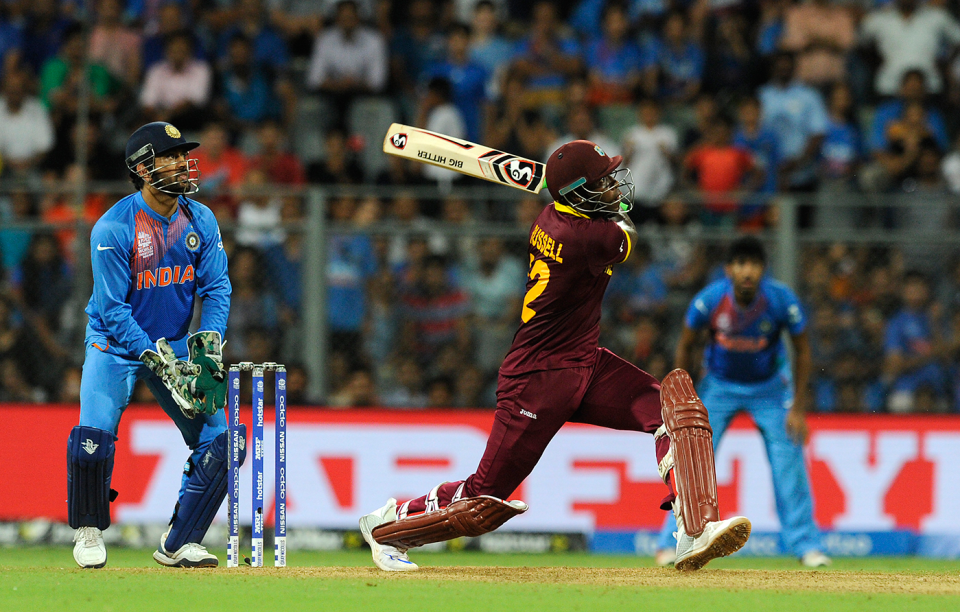
For India, the presence of younger players alongside experienced T20 performers creates an opportunity to develop multiple options. The selection of players such as Vaibhav Sooryavanshi alongside established names shows the broader emphasis on developing depth. The original squad announcement included Sooryavanshi, Abhishek Sharma, Ishan Kishan, Sanju Samson, Tilak Varma and several bowling options.
For West Indies, the series provides an opportunity to test their batting depth and bowling discipline in Indian conditions. Winning individual phases will be important, but converting those phases into complete performances will be the bigger challenge.
What Fans Can Expect From the Remaining Games
With four matches still remaining after India’s opening victory, the series has plenty of room for momentum to change. The next game in Ranchi could be particularly important for West Indies because a second consecutive defeat would leave them with a significant challenge in the remaining fixtures.
India, meanwhile, will want to avoid becoming complacent after a dominant opening performance. The team can use the remaining games to test combinations, give opportunities to players who did not feature in the first match and continue building confidence ahead of future T20 assignments.
The most exciting aspect for viewers is the variety of players capable of producing match-winning moments. A fast spell, an unexpected cameo, a spectacular catch or a short burst of six-hitting can change the result in minutes. That unpredictability is exactly what makes international T20 cricket so engaging.
Conclusion
The India vs West Indies T20 series has already delivered a major statement from India, with the hosts winning the opening game by eight wickets in Lucknow. Shreyas Iyer’s unbeaten 102 from 43 balls was the standout performance, while India’s bowlers played an important role by restricting West Indies to 171. Nevertheless, the series is far from finished. Four matches remain in Ranchi, Indore, Hyderabad and Bengaluru, giving West Indies several opportunities to respond and India several chances to strengthen their position. The combination of different venues, emerging players, experienced campaigners and contrasting tactical approaches should make the remaining fixtures highly competitive.