



.webp&description=Explore SL vs BAN cricket rivalry, latest match context, key players, head-to-head history, tactical factors, and what makes this contest important.)
The SL vs BAN cricket contest brings together two teams that have developed a competitive rivalry across formats. Sri Lanka and Bangladesh have faced one another frequently in international cricket, producing matches that often feature dramatic momentum shifts, aggressive batting, clever bowling changes, and pressure-filled finishes. While their histories include meetings in Tests and ODIs, their recent encounters have also highlighted how closely matched the teams can be in shorter formats.
The current context adds another interesting chapter to this rivalry. Sri Lanka and Bangladesh are scheduled to meet in the third-place playoff of the 2026 Asian Games men’s T20 competition at Korogi Sports Park in Nisshin, Japan. The match follows contrasting semifinal results: Sri Lanka were beaten by India, while Bangladesh lost to Pakistan. This gives the fixture significance beyond a routine bilateral meeting, as both sides have an opportunity to finish their Asian Games campaign with a medal.
For followers searching for SL vs BAN, the match is also useful for understanding the development of both teams in T20 cricket. Recent meetings have shown that neither side can be taken lightly, and small moments such as powerplay wickets, middle-over partnerships, bowling discipline, and death-over execution can have a major influence on the final result.
SL vs BAN: Current Match Context
The latest SL vs BAN meeting is part of the Asian Games men’s T20 competition in Japan. According to the ICC match centre, the third-place playoff is scheduled for October 3 at Korogi Sports Park in Nisshin. Sri Lanka reached this stage after a heavy semifinal defeat against India, who posted 169/7 before dismissing Sri Lanka for 45 in 9.5 overs. Bangladesh’s semifinal against Pakistan was shortened by weather-related conditions, with Pakistan eventually winning by six wickets after chasing 112.
These semifinal outcomes create an interesting backdrop. Sri Lanka will be looking to respond after a difficult batting performance, while Bangladesh will aim to recover from a narrow tournament setback. A third-place playoff can also provide players with an opportunity to regain confidence, particularly those who were unable to make a major impact in the previous match. In a short T20 tournament, teams have little time to dwell on one performance, making adaptability an important part of the competition.
Why This Match Matters
Although a third-place playoff does not carry the same pressure as a final, the match still offers meaningful competitive value. International players are judged not only by individual statistics but also by how they respond to changing match situations. For both teams, the fixture can therefore become an opportunity to finish the tournament positively and assess players in a high-pressure international environment.
The SL vs BAN matchup also gives supporters a chance to compare two sides with different cricketing traditions and strengths. Sri Lanka have historically been associated with inventive spin bowling, technically capable batters, and strong cricketing depth, while Bangladesh have increasingly built a reputation for competitive performances in Asian conditions and dangerous spells from their bowlers. T20 cricket reduces the margin for error, meaning established reputations matter less once the match begins.
Head-to-Head History Between Sri Lanka and Bangladesh
The historical record shows that Sri Lanka have generally held an advantage in T20 meetings. One current statistical record lists 22 T20 matches between the sides, with Sri Lanka winning 13 and Bangladesh winning nine. However, the recent sequence demonstrates why historical numbers alone cannot explain the likely shape of an individual contest.
The teams played several important T20 matches during 2025. Sri Lanka won the first T20I of their July series by seven wickets, while Bangladesh responded by winning the second match by 83 runs and the third by eight wickets. Later that year, the sides met twice during the Asia Cup, with Sri Lanka winning one encounter by six wickets and Bangladesh taking the other by four wickets. Those results illustrate how quickly momentum can move from one side to the other.
| Category | Sri Lanka | Bangladesh |
|---|---|---|
| T20 meetings listed in current record | 22 | 22 |
| T20 wins | 13 | 9 |
| Recent Asia Cup 2025 meetings | 1 win | 1 win |
| 2025 July T20I series | 1 win | 2 wins |
| Current Asian Games stage | Third-place playoff | Third-place playoff |
The recent history is particularly valuable because it shows that Bangladesh have already demonstrated the ability to defeat Sri Lanka in convincing fashion. At the same time, Sri Lanka have also produced strong responses in subsequent meetings. This makes the rivalry less about a fixed hierarchy and more about which team executes its game plan effectively on the day.
Key Players and Match-Winning Contributions
In a T20 match, one or two individual performances can dramatically alter the contest. A batter who survives the early overs and accelerates later can transform a modest total into a competitive one, while a bowler who takes two wickets during the powerplay can immediately change the batting side’s approach. This makes player roles more important than simply looking at overall career statistics.
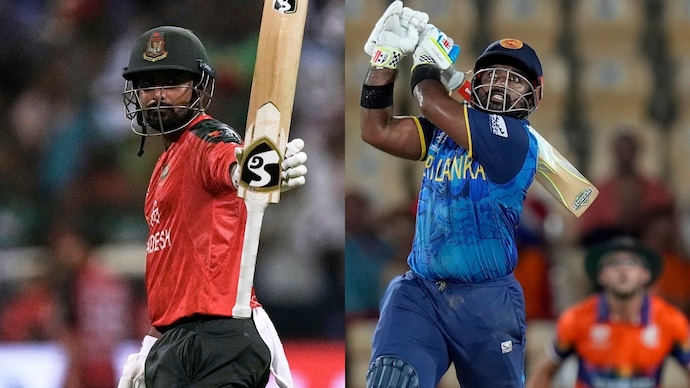
For Sri Lanka, the batting unit will need to establish stability after the difficult semifinal against India. Their semifinal innings ended at 45, with Nuwanidu Fernando top-scoring with 15 and Sahan Arachchige contributing nine. The result underlines the importance of creating partnerships rather than allowing wickets to fall in clusters. Sri Lanka’s bowlers also need to apply pressure early because defending a moderate total requires consistent wicket-taking options.
Bangladesh enter the playoff after scoring 111/7 against Pakistan in their rain-shortened semifinal. Litton Das is listed as Bangladesh captain and wicketkeeper for the competition, while the squad also includes experienced names such as Mustafizur Rahman, Mahedi Hasan, Nasum Ahmed and Shoriful Islam. Their combination of experienced international players and younger contributors gives the team several possible routes to control a T20 match.
Batting Strategy Could Define the Contest
The powerplay is often one of the most important phases of a T20 game. Batters want to take advantage of fielding restrictions, but excessive attacking intent can expose the top order to early wickets. Sri Lanka and Bangladesh have both shown in previous encounters that their fortunes can change rapidly depending on how the opening partnership develops.
For Sri Lanka, the priority should be building a platform without allowing the required scoring rate to become a problem. If the opening pair can provide a steady start, the middle order can attack with greater freedom. Bangladesh face a similar challenge, particularly because their bowling resources can become much more effective when their batting unit posts a defendable score.
Another important factor is the middle overs. This is where spinners and slower bowlers can restrict scoring while searching for wickets. Batters who rotate the strike effectively and target occasional boundary opportunities can prevent the bowling team from establishing complete control. Rather than relying exclusively on six-hitting, smart T20 batting often comes from maintaining a consistent scoring rate throughout the innings.
Bowling and Conditions Could Change the Game
Bowling plans will depend heavily on the conditions at Korogi Sports Park. The venue in Nisshin is hosting the Asian Games cricket competition, and both teams have already played in the tournament environment. Conditions can influence whether captains prefer pace early in the innings or turn to spin during the middle overs.
Sri Lanka have traditionally possessed a strong connection with spin bowling, and controlling the middle overs could be an important part of their approach. Bangladesh also have several bowling options capable of changing the pace of an innings. Mustafizur Rahman’s experience, for example, can be particularly valuable when batters attempt to accelerate toward the end of an innings.
The death overs will present another major tactical test. Bowlers must balance yorkers, slower deliveries, hard lengths, and changes of angle, while batters will look for predictable deliveries to attack. A difference of 15 or 20 runs during the final five overs can often decide a T20 contest, particularly when the teams have similar batting depth.
Recent Form and Momentum
Recent form provides useful context but should not be treated as a guarantee of what will happen in a new match. Sri Lanka’s most recent major tournament performance was interrupted by a difficult semifinal against India, where they were dismissed for 45. Before that, they had also completed an ODI series in England, losing the final match by 223 runs after England posted 355/7.
Bangladesh, meanwhile, entered the Asian Games after a mixed run of results. Their recent international schedule included a T20I series against Zimbabwe in July, where Bangladesh won two matches and Zimbabwe won one. Such results demonstrate the importance of considering the format when discussing form. A team’s Test, ODI, and T20 performances can differ considerably because each format requires different combinations of players, tactics, and tempo.
For the SL vs BAN encounter, recent results therefore provide context rather than a definitive answer. Both teams have experienced wins and defeats against quality opposition, and the playoff setting introduces a fresh tactical situation.
Important Factors to Watch During the Match
Several small details could have a major impact once the first ball is bowled. The opening partnership, fielding quality, spin against attacking batters, and performance during the final five overs are likely to receive considerable attention. In a short format, there is limited time to recover from repeated mistakes.
The most important areas include:
- Powerplay wickets and the quality of the opening partnership.
- Middle-over control from spinners and change-of-pace bowlers.
- Partnership building rather than dependence on individual boundary hitting.
- Fielding standards, especially catching and stopping boundaries.
Fielding deserves particular attention because T20 matches can be decided by very small margins. A dropped catch can allow a batter to score another 20 or 30 runs, while a direct-hit run-out can remove a dangerous player before the innings accelerates. Both sides therefore need concentration from the opening delivery until the final ball.
How T20 Tactics Have Changed the Rivalry
The modern SL vs BAN rivalry is shaped by the changing nature of T20 cricket. Teams increasingly use specialist roles rather than expecting every player to perform in the same way. An opener may be selected primarily for powerplay scoring, while another batter may specialize in finishing. Similarly, bowling attacks often include specialists for the first six overs, middle overs, and final stages.
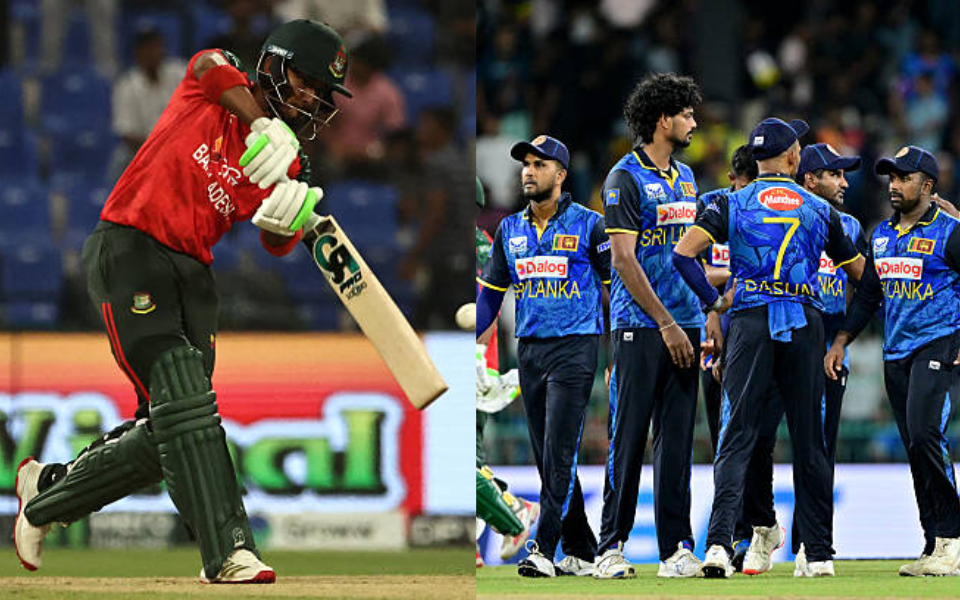
This tactical specialization makes match-ups increasingly important. Captains may introduce a particular spinner against a left-handed batter or hold a fast bowler back specifically for the final overs. The ability to recognize these situations quickly can be just as important as individual skill.
The rivalry also demonstrates how regional cricket has become more competitive. Bangladesh have repeatedly challenged Sri Lanka in recent years, including their victories during the 2025 T20I series and Asia Cup. Sri Lanka, meanwhile, have continued to produce victories of their own. The resulting pattern makes their meetings compelling because previous results do not automatically determine the next outcome.
What Fans Can Expect From SL vs BAN
Fans following SL vs BAN can expect a contest in which momentum may change quickly. If either side establishes control during the powerplay, the match could develop around that advantage. Conversely, early wickets or an economical bowling spell could force the opposition to rebuild rather than attack continuously.
The third-place playoff also gives both teams an opportunity to respond after semifinal disappointment. Players who struggled in their previous games can make a significant contribution, while fringe members of the squad may have a chance to demonstrate their value. This can make the match useful from a team-building perspective as well as an entertainment standpoint.
Another appealing aspect is the contrasting styles that can emerge during the game. Bangladesh may seek to use their bowling resources to restrict scoring and create pressure, while Sri Lanka can look toward calculated aggression and spin options. Ultimately, execution rather than reputation will determine how those plans work.
Conclusion
The SL vs BAN rivalry continues to offer plenty of interest because the two teams have developed a substantial history across international cricket while remaining capable of producing sharply contrasting results. Their recent T20 meetings have included victories for both sides, showing that individual performances and tactical execution can quickly overturn previous expectations. The current Asian Games third-place playoff adds another chapter to that story. Sri Lanka arrive after a heavy semifinal loss to India, while Bangladesh come into the match after Pakistan defeated them in a rain-shortened semifinal. Both teams therefore have a clear reason to finish the competition strongly.