

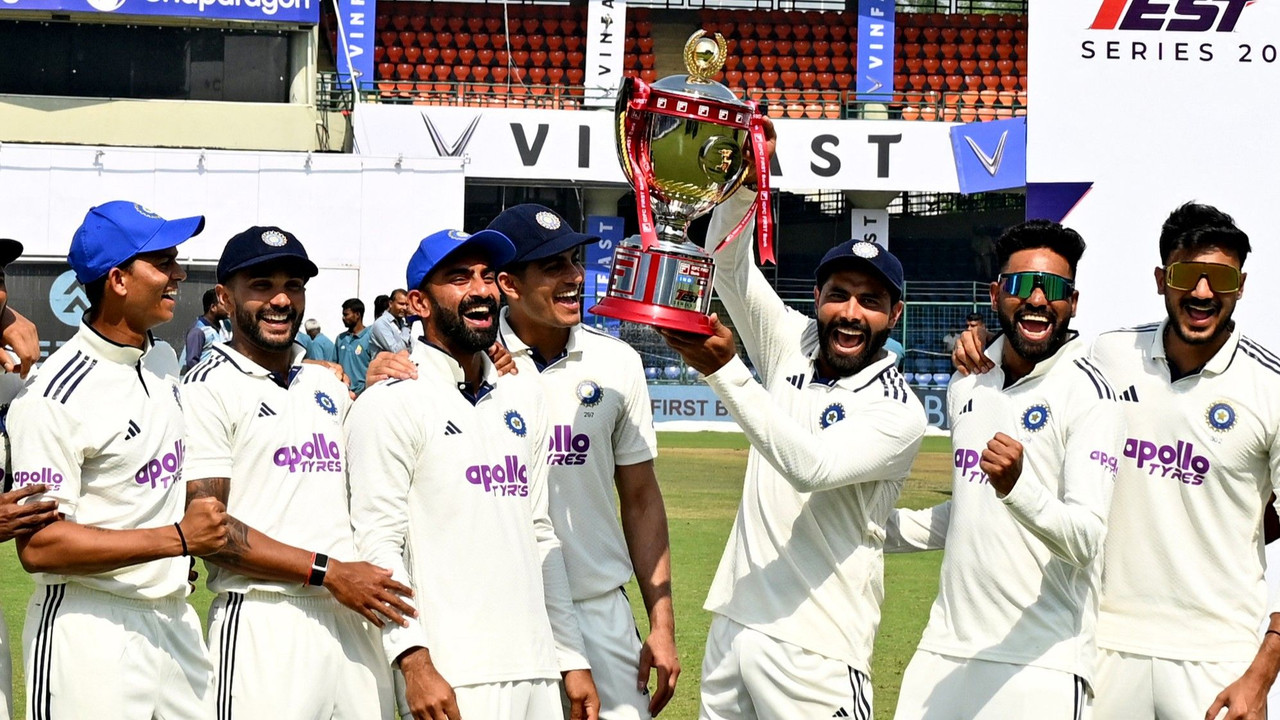


The India vs West Indies Test rivalry is one of the most historically significant matchups in international cricket. It connects two nations with very different cricketing traditions but an equally strong passion for the longest format. India has developed into one of the most consistent Test teams of the modern era, while West Indies carry a legendary legacy built around some of the greatest fast bowlers and batsmen the sport has ever produced.
Unlike limited-overs cricket, Test matches create a completely different contest. Players have to manage their technique, concentration, fitness and tactics across several days. That is why the India vs West Indies Test matchup remains fascinating even when the balance of power changes between generations. A batter may need to survive a difficult opening spell before building a major innings, while bowlers have to find ways to create pressure over long periods rather than relying on a few overs of aggression.
The modern context adds another layer to this rivalry. India and West Indies have recently met in limited-overs cricket, with the current 2026 tour featuring ODI and T20I matches rather than a Test series. The ongoing tour therefore provides useful context for understanding the teams, although it should not be confused with a currently scheduled Test contest.
The Historical Importance of the India vs West Indies Test Rivalry
The history of India and West Indies in Test cricket stretches back many decades. Their encounters have featured different eras of dominance, tactical evolution and remarkable individual performances. For a long period, West Indies represented one of the most intimidating forces in world cricket. Their legendary pace attacks could challenge even technically accomplished batting lineups, while their middle-order batsmen were capable of turning difficult situations into dominant positions.
India gradually transformed from a team searching for consistency into a major Test powerhouse. The development of world-class spin bowling, stronger domestic cricket structures and increasingly deep batting resources helped India become a formidable opponent at home and abroad. As Indian cricket evolved, meetings with West Indies became less about reputation and more about tactical execution.
The rivalry is also important because it reflects how Test cricket itself has changed. Earlier generations placed enormous emphasis on patience and survival, while modern Test cricket increasingly combines traditional defensive skills with attacking strokeplay. Both teams have experienced these changes in different ways, making historical comparisons particularly interesting.
How Test Cricket Makes This Contest Different
A Test match rewards patience in a way that limited-overs cricket cannot. A player cannot simply depend on quick scoring or a short burst of bowling. Every session can change the direction of the game, and a team that appears dominant in the morning can suddenly find itself under pressure before the end of the day.
In an India vs West Indies Test, conditions can have an especially strong influence on tactics. Indian pitches can bring spin into the game as a match progresses, while West Indies conditions have historically offered opportunities for fast bowlers and disciplined seam attacks. Players therefore have to adapt rather than follow a fixed game plan.
The longer format also puts greater emphasis on partnerships. A batter who spends several hours at the crease can change the entire match situation. Similarly, a bowling partnership can create pressure even without taking frequent wickets because sustained discipline can force batsmen into mistakes.
India’s Strengths in Test Cricket
India’s greatest advantage in modern Test cricket is its depth. The team can often combine technically strong top-order batsmen, aggressive middle-order options, high-quality fast bowlers and world-class spinners. This allows India to construct different strategies depending on the pitch and opposition.
Another important strength is India’s experience in managing long matches. Indian players regularly participate in domestic first-class cricket and international Test cricket, giving them exposure to the physical and mental demands of the format. The ability to bowl long spells and bat for extended periods can become decisive during closely fought matches.
India’s bowling resources have also changed significantly over time. Earlier Indian teams were particularly associated with spin, but modern sides have demonstrated that they can compete with powerful pace attacks as well. A balanced attack featuring both seam and spin gives India several methods of breaking partnerships.
West Indies’ Test Cricket Identity
West Indies cricket has an extraordinary Test history. The region produced generations of players who shaped international cricket, particularly during the period when West Indies dominated the world game. The reputation of Caribbean fast bowling became one of the defining features of Test cricket.
Although the modern West Indies team operates in a different competitive environment, the importance of Test cricket remains substantial. Developing batsmen capable of handling sustained pressure and bowlers capable of maintaining accuracy for long spells is essential for challenging stronger opponents.
West Indies can also benefit from the natural athleticism and flair associated with Caribbean cricket. However, in Test matches, talent has to be supported by concentration and consistency. Against a deep Indian side, a few loose sessions can quickly create a significant disadvantage.
Key Factors That Can Decide an India vs West Indies Test
The outcome of a Test match is rarely determined by one isolated factor. Instead, several elements combine over multiple days. The opening session, the first-innings total, the effectiveness of the new ball and the quality of spin bowling can all influence the final result.

One of the biggest factors is the performance of the top order. If India’s leading batsmen establish a large first-innings score, West Indies could be forced to spend significant time defending. Conversely, if West Indies’ batsmen can survive India’s opening attack and create a substantial partnership, the pressure can move back onto India.
The battle between pace and technique is equally important. Fast bowlers attempt to create movement, bounce and uncertainty, while batsmen try to leave dangerous deliveries and punish anything outside their preferred scoring areas. As the ball becomes older, spinners can become increasingly important, particularly on surfaces offering turn.
Key areas to watch
- Opening partnerships and new-ball wickets
- Middle-order ability to build long innings
- Spin bowling as the match progresses
- Lower-order contributions with bat and ball
- Captaincy decisions during changing match situations
Batting Battles Can Define the Match
Test cricket often belongs to the batsmen who can control their instincts. A player may have the ability to score quickly but still need to defend for long periods when conditions become difficult. This balance between attack and defence can determine whether a team reaches a competitive total or collapses.
For India, the quality of its top and middle order can provide stability. Indian batsmen have traditionally developed strong techniques against spin, while modern players are also increasingly comfortable attacking pace. The challenge is maintaining that balance throughout an innings.
West Indies batsmen face a different challenge. Against India’s varied bowling attack, they need to judge which deliveries can be attacked and which should simply be respected. A patient 70 or 80 can sometimes be more valuable than a quick 50 because it can consume overs, wear down bowlers and establish a platform for the rest of the team.
Bowling Plans and the Battle for Wickets
Taking 20 wickets is the fundamental requirement for winning a Test, so bowling remains at the heart of the contest. A team can score hundreds of runs, but without the ability to dismiss the opposition twice, it cannot secure victory.
India’s potential advantage comes from variety. Fast bowlers can attack with the new ball, while spinners can operate for long spells and target weaknesses as the surface changes. The captain’s ability to rotate these options at the right moments can have a major effect.
West Indies, meanwhile, have historically possessed a natural connection with fast bowling. A disciplined pace attack can challenge Indian batsmen if it consistently targets the right areas. The key is avoiding periods where the bowling becomes too loose, because experienced Test batsmen can turn small errors into large partnerships.
Conditions, Pitch and Weather
Pitch conditions can dramatically influence a Test match. A surface that offers movement early may encourage captains to use fast bowlers aggressively, while a slower pitch can make patience more important. As the match progresses, wear and tear can also change how the ball behaves.
Weather is another variable. Cloud cover may assist seam bowlers, while bright conditions can make batting easier. Rain interruptions can alter the rhythm of a match and introduce the possibility of a draw. This is one reason Test cricket cannot be judged simply by looking at the strength of the two squads.
The India vs West Indies Test rivalry has historically produced matches in a variety of conditions, which makes adaptability especially valuable. Players who can quickly understand the pitch and adjust their technique often become the difference-makers.
India vs West Indies Test: A Simple Comparison
| Factor | India | West Indies |
|---|---|---|
| Traditional strength | Spin and technically strong batting | Fast bowling and aggressive batting |
| Modern advantage | Squad depth and bowling variety | Athleticism and pace potential |
| Key challenge | Maintaining consistency overseas | Building sustained Test-match pressure |
| Tactical focus | Spin, pace rotation and partnerships | Seam pressure and disciplined batting |
| Test identity | Deep resources and adaptability | Historic pace legacy and flair |
The Importance of Young Players
Every major Test rivalry eventually enters a transition period. Experienced players eventually leave international cricket, creating opportunities for younger cricketers. The development of these players can influence the future balance between India and West Indies.
Young Indian players generally enter a system with extensive domestic cricket opportunities and intense competition for international places. That competition can improve standards because players know that strong performances are required to earn and retain selection.
West Indies also have a significant pool of young talent, and the challenge is converting potential into consistent international performances. Test cricket demands more than natural ability. Young players must learn how to manage fatigue, pressure, changing conditions and long periods without immediate rewards.
What Recent Cricket Shows About the Teams
The current 2026 context is important when discussing the two sides. India and West Indies have recently completed a three-match ODI series in India, with India winning the series 2–1. West Indies finished strongly by chasing 352 in the third ODI, led by Shai Hope’s outstanding 162.
That result demonstrates why recent limited-overs form should not automatically be transferred to Test predictions. The tactical requirements are different, and a player who excels in an ODI may have a very different role in a five-day match. The current tour is continuing with a five-match T20I series beginning on October 6, 2026, rather than a Test series.
For that reason, any discussion of the next India vs West Indies Test should distinguish historical rivalry from the presently listed schedule. West Indies’ official fixture information currently lists its next Tests against Bangladesh later in October and November 2026.
Why Fans Continue to Follow the Rivalry
The appeal of Test cricket goes beyond simple win-loss statistics. Fans watch because a match can develop in unexpected ways. A team can be struggling at lunch and completely dominate by the evening. A single partnership can save an innings, while one exceptional bowling spell can change the entire contest.

The India vs West Indies Test rivalry has an additional emotional connection because of its history. Supporters can compare modern players with legendary figures from previous generations, while younger fans get an opportunity to discover how the sport developed across two cricketing cultures.
There is also a contrast in playing identities. India’s modern emphasis on depth, tactical flexibility and multi-dimensional bowling meets the Caribbean tradition of flair, athleticism and fast-bowling heritage. That contrast gives the rivalry a character that extends beyond statistics.
How a Future Test Series Could Develop
If India and West Indies meet in a future Test series, preparation will be critical. India would likely look to use its bowling depth and batting resources to create sustained pressure. West Indies would need to focus on building long partnerships and ensuring that their pace attack remains disciplined throughout the innings.
The opening day could be particularly important. Winning the toss would not automatically guarantee an advantage, but the decision to bat or bowl would need to reflect pitch conditions, weather and the strength of each team’s bowling unit.
The middle days of the match could then become a battle of endurance. Spinners may become increasingly influential, while batsmen who have already spent considerable time at the crease could determine whether the game moves toward a decisive result or a draw.
Conclusion
The India vs West Indies Test rivalry represents much more than another international cricket matchup. It brings together India’s modern depth and evolving Test identity with West Indies’ extraordinary cricketing heritage. Across generations, the contest has demonstrated how Test cricket rewards patience, adaptability, technique and mental strength. The current 2026 cricket calendar does not feature a Test series between the teams, with their present bilateral meetings centered on ODI and T20I cricket. However, the recent ODI series has shown that West Indies can still produce powerful performances, while India continues to possess the depth and consistency expected from a leading international side.